The RSPB has announced new conservation funding for threatened birds on the Norfolk coast, describing the development as “a magnificent moment”. For people who feed birds or manage wildlife-friendly gardens in East Anglia, this is more than welcome conservation news: it is a reminder that gardens, coastal marshes, farmland and estuaries are connected.
The announcement signals support for work at a time when coastal birds face overlapping pressures, including habitat loss, disturbance, extreme weather, sea-level rise and changes to the insects, fish and vegetation on which they depend. Funding can make a meaningful difference where it pays for practical, sustained work rather than a short-lived intervention. However, it should not be read as a reason for householders to assume that threatened birds are now “sorted”. The most resilient local bird populations depend on a network of safe places, including well-managed reserves and thousands of ordinary private gardens.
Table of Contents
Advertisement
Why Norfolk’s coast matters to birds
Norfolk’s coastline contains an exceptional mix of habitats: saltmarsh, mudflat, shingle, reedbed, grazing marsh, dunes and freshwater pools. These sites can support breeding birds in spring and summer, migratory birds in passage seasons, and wintering flocks arriving from northern Europe. The productivity of this coastal mosaic also affects birds seen inland. When weather is severe, natural food is scarce or young birds disperse after breeding, gardens may become important supplementary feeding points.
The significance of the new funding lies in its potential to protect the processes birds need, rather than only the birds themselves. A nesting site is of little use if predators can easily reach it, if tides regularly flood nests, or if the surrounding habitat no longer supplies enough food. Likewise, a wetland can look healthy to visitors while offering poor breeding conditions if water levels are wrong at crucial times.
Conservation is habitat management, not simply “saving birds”
Effective coastal bird conservation commonly involves a package of measures. Depending on the site and species, that can include managing water levels in wet grassland, restoring reedbeds, creating or maintaining islands safe from ground predators, controlling invasive plants, protecting nesting areas from disturbance, and monitoring breeding success year after year.
The RSPB announcement does not mean every Norfolk species will benefit equally, nor does funding automatically reverse population declines. What it can do is provide staff time, specialist surveys, equipment and long-term habitat management—the less visible work that gives threatened species a realistic chance of recovery.
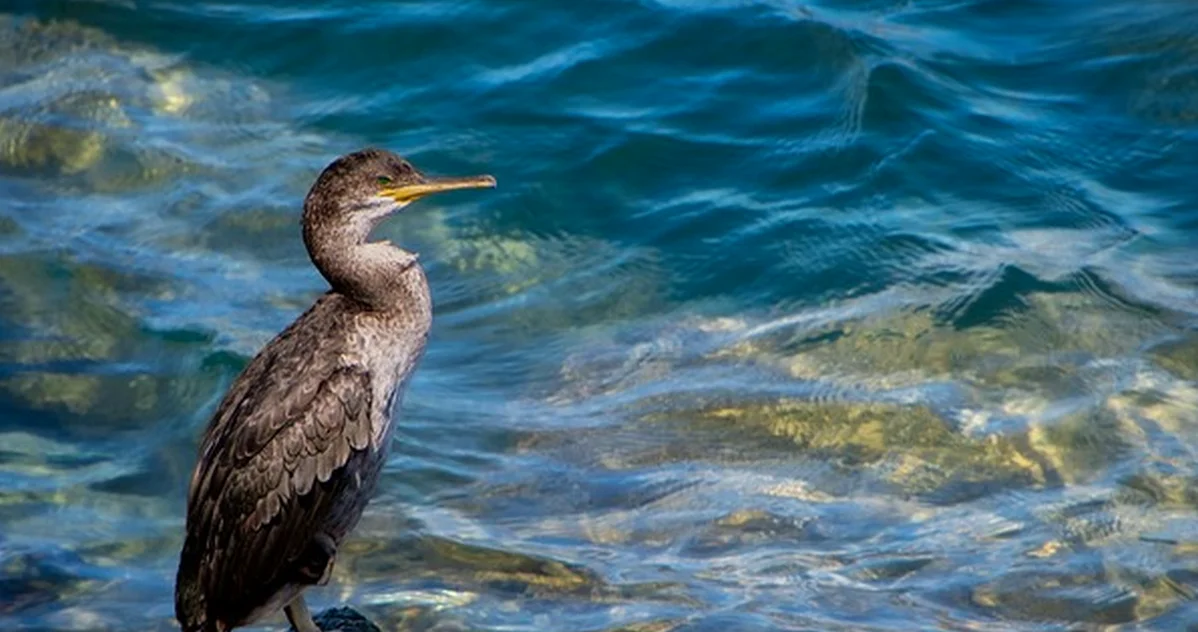
What the funding means for garden bird enthusiasts
For a garden bird watcher, the main lesson is that feeding is most useful when it is responsible and paired with habitat. A feeder full of seed cannot replace coastal wetland, insects for nestlings or undisturbed breeding ground. Yet gardens can reduce pressure on birds by offering reliable, clean supplementary food and refuge, particularly to common resident species and birds moving through the wider Norfolk landscape.
Gardeners should also be alert to the difference between helping familiar feeder visitors and trying to attract every species. Many coastal birds will not visit a suburban feeder and should not be lured from suitable natural habitat. The best role for gardens is to support species that naturally use them, while avoiding practices that increase disease, predation or conflict.
Feed for the birds that genuinely use gardens
Use a varied but controlled feeding approach:
- Offer sunflower hearts in a quality feeder for finches, tits and nuthatches, with less mess and fewer germinating seeds than mixed seed.
- Put out peanuts only in a rigid mesh feeder, never loose or in large chunks that may pose a risk to young birds.
- Provide mealworms sparingly during the breeding season. Live mealworms can be useful, but they should complement natural insect food, not become the sole diet for chicks.
- Use ground trays cautiously, ideally with cover nearby but not dense shrubbery from which cats can ambush. Clear away uneaten food daily.
- Avoid cheap mixes dominated by wheat, split peas or large quantities of maize if these remain untouched. Waste food attracts rats and can concentrate birds in unhygienic conditions.
Small, regular quantities are better than overfilling feeders. If birds empty them quickly, refill rather than leaving old food to become damp or mouldy.
Advertisement
Hygiene is a conservation action at home
When conservation news encourages more people to feed birds, feeder hygiene becomes especially important. Congregating birds at a dirty feeding station can help diseases spread, including trichomonosis, which has had serious effects on greenfinch and chaffinch populations in Britain.
Clean feeders and bird tables at least weekly, and more frequently during busy periods. Remove old food, scrub surfaces with a dedicated brush and a suitable bird-safe disinfectant according to its instructions, rinse thoroughly and allow equipment to dry. Rotate feeding locations where possible so droppings do not build up in one patch of ground.
If you see birds that appear fluffed up, lethargic, unable to swallow, or showing swelling around the face, stop feeding temporarily, clean all equipment and report unusual mortality through the appropriate wildlife-health reporting route. Do not handle sick or dead birds without gloves, and keep pets away from carcasses.
Make the garden useful beyond the feeder
The strongest contribution a household can make is to increase natural food and shelter. Native or wildlife-friendly planting supports insects, berries and seed through the year. Ivy, hawthorn, holly, rowan, crab apple, teasel and native grasses can all have value, though the right choice depends on garden size and soil.
Avoid cutting all vegetation back in autumn. Seedheads provide food, while dense climbers and shrubs offer cover from wind and predators. A shallow, regularly cleaned water source is valuable too, especially in dry spells and freezing weather. Keep it shallow enough for small birds to stand safely, add a rough stone for grip, and refresh it daily.
If cats use the garden, position feeders at least two metres from thick cover and away from low walls or fence routes that enable a rapid ambush. Bell collars and keeping cats indoors around dawn and dusk can reduce hunting opportunities. No single measure is perfect, but reducing predictable ambush points is practical and worthwhile.
Coastal visits: support conservation without adding disturbance
People inspired to visit Norfolk after this news can support the coast by observing birds from designated paths, hides and viewing areas. Dogs should be kept under close control and, where signage requires it, on a lead. Shorebirds and ground-nesting birds can be disturbed even when they are not obviously visible; repeated flushing wastes energy and may expose eggs or chicks.
Choose reserves and local businesses that contribute to conservation, follow seasonal access restrictions, and report damaged fencing, loose dogs in protected areas or wildlife crime to site staff rather than confronting others. For photographers, a long lens and patience are better than approaching a bird for a close image.
Advertisement
The bigger picture: funding needs public participation
This funding is encouraging because it recognises the national importance of Norfolk’s coastal birds. Its real value will be measured in improved habitat condition, successful breeding, survival through harsh seasons and population trends over several years. That requires continuity. Coastal management cannot be a one-off response when changing sea levels and weather patterns are long-term challenges.
Garden owners cannot replace professional reserve management, but they can make the wider landscape more forgiving. Clean feeders, sensible quantities of appropriate food, natural planting, safe water and lower disturbance all add up. They also turn an interest in headline-grabbing conservation awards into everyday action that benefits birds close to home.
FAQ
Will the new Norfolk funding make more rare birds visit my garden?
Not necessarily. Most threatened coastal birds depend on specialised wetland, shore or grassland habitats and are unlikely to become feeder visitors. The indirect benefit is a healthier regional network for wildlife, while your garden can best help the species that naturally use it.
Should I feed birds all year round in Norfolk?
Year-round supplementary feeding can be appropriate if food is fresh, feeders are cleaned regularly and quantities are modest. During breeding season, offer suitable foods such as sunflower hearts and small amounts of mealworms, but do not rely on feeding as a substitute for insect-rich planting.
How often should I clean a bird feeder?
Clean it at least once a week, and immediately if food becomes wet, mouldy or contaminated with droppings. Increase cleaning frequency when many birds are visiting or when disease is suspected.
Can I help coastal birds when walking my dog?
Yes. Follow local signs, use permitted routes, keep your dog close and on a lead where required, and avoid allowing it to chase or repeatedly flush birds. Disturbance is especially damaging during nesting, migration and winter when birds need to conserve energy.
Source: RSPB — Tue, 29 Sep 2026 23:00:00 GMT
- Bird Flu in UK: Protect Garden Birds and Poultry
- Should You Stop Feeding Garden Birds Seeds This October?

Editorial Team
Our team consists of passionate British birdwatchers and garden wildlife enthusiasts. We provide honest, practical advice on feeding garden birds, choosing the right feeders, and making your outdoor space a haven for UK wildlife — guided by RSPB best practice and real garden experience.
The information on this website is provided for general guidance only. Always follow RSPB and BTO best practice when feeding garden birds. Product recommendations may include affiliate links — see our disclosure policy for details.