A recent SAPeople headline makes a deceptively simple point: one bird in your garden can offer as much pleasure as a crowd elsewhere. For UK householders, that is more than a comforting thought when the feeder seems quiet. It is a useful corrective to the idea that a successful wildlife garden must produce constant activity, large mixed flocks and dramatic sightings.
Bird feeding is often discussed in numbers: how many birds visit, how quickly a feeder empties, or whether a garden has attracted a rarer species. Those measures can be interesting, but they are not the whole story. A Blackbird foraging under a hedge, a Robin returning to a regular feeding spot, or a Blue Tit learning how to use a new feeder can indicate that a garden provides something valuable: dependable food, cover, water and relative safety.
Table of Contents
Advertisement
Why a Single Bird Can Matter
A bird seen repeatedly is not simply one entry on a garden list. It can be a resident bird with a territory, a bird using your garden as part of its daily route, or an individual relying on a resource during difficult weather. Watching that behaviour closely is often more rewarding—and more informative—than briefly seeing a large, anonymous flock.
For example, a lone Robin may be defending a winter feeding area. A Dunnock feeding beneath shrubs may be avoiding competition at hanging feeders. A single House Sparrow may be evidence that a small local group is still using nearby nesting sites. Each observation gives clues about habitat, food access and disturbance in the immediate area.
This perspective is especially helpful in compact urban gardens, balconies and new-build estates, where expectations can become unrealistic. Not every space can support high visitor numbers, and it should not be forced to. A small garden can still make a worthwhile contribution when it offers a clean water source, native planting, insect-rich corners and carefully chosen supplementary food.
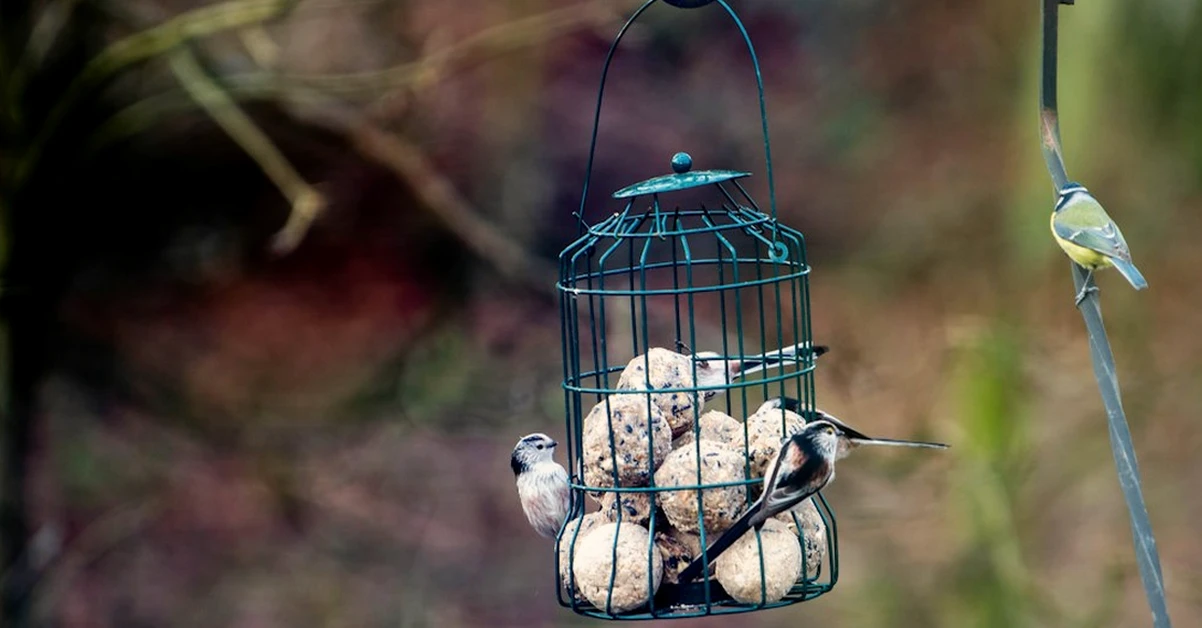
A Quiet Feeder Is Not Necessarily a Failed Feeder
Bird activity naturally changes through the year. In autumn, wild berries, seeds and invertebrates may be plentiful, so birds may visit feeders less frequently. In spring and summer, many species prioritise protein-rich insects for their young. A reduction in feeder traffic can therefore reflect seasonal food availability rather than a problem with your feeding set-up.
There are also daily and local factors. Birds may feed heavily at dawn, visit when the garden is empty, or switch between neighbouring gardens. A cat appearing regularly, hedge-cutting nearby, building work, high winds or an exposed feeder position can all alter behaviour.
Avoid the temptation to overfeed
When visits fall, it is easy to add more food or buy several new feeders. That can create avoidable problems. Large quantities of food left untouched can become damp, mouldy or contaminated by droppings. Spilled seed may attract rats, while crowded feeding points can increase contact between birds and the risk of disease transmission.
Instead, put out modest amounts and adjust them according to what is eaten within a day or two. The aim is not to keep every feeder permanently busy; it is to provide fresh, appropriate food without creating a poorly managed feeding station.
Advertisement
What “Quality Over Quantity” Means in Practice
A garden that supports birds well is built around several resources, not just a tube feeder full of seed.
Offer food that matches likely visitors
Different birds feed differently. A mixed seed blend containing sunflower hearts can suit finches and tits, while a mesh feeder of quality peanuts can be useful for tits and Nuthatches. Mealworms, used sparingly and preferably soaked when dry, may appeal to Robins, Blackbirds and Starlings. Ground-feeding species such as Dunnocks and Blackbirds benefit from food placed on a clean tray or table rather than only from hanging feeders.
Avoid cheap mixes dominated by wheat or filler grains if they are regularly left behind. Also avoid putting out salted foods, bread as a staple, or loose whole peanuts where very young birds could access them. Fresh water is as important as food: a shallow bird bath with gently sloping sides is suitable for drinking and bathing.
Build safety into the feeding area
Place feeders where birds have a clear view of approaching danger but can reach dense cover quickly. A shrub, climber or hedge a short flight away is useful; placing the feeder deep inside dense cover can make ambushes easier for cats.
If cats visit the garden, avoid scattering food directly beneath bird perches or next to hiding places. Keep feeding spots away from low walls and fencing that provide easy launch points. No placement removes all risk, but thoughtful positioning gives birds more chance to detect threats.
Clean little and often
A single regular visitor is a reason to maintain standards, not to relax them. Clean feeders and tables routinely with a bird-safe disinfectant, rinse thoroughly and allow them to dry before refilling. Remove wet or clumped food. Refresh drinking and bathing water daily where possible, and scrub the bath regularly.
If you see sick or dead birds, stop feeding temporarily, remove food, clean the equipment and monitor the situation. Report unusual mortality through the appropriate UK wildlife-health channels where relevant. Feeding should support wild birds, not concentrate avoidable health risks.
Observation Is a Form of Wildlife Care
The SAPeople message also encourages a better habit: looking rather than merely counting. Keep a simple note of species, time of day, food chosen and notable behaviour. Over a few weeks, this can reveal patterns that a single busy afternoon cannot.
You may discover that sunflower hearts are ignored but mealworms are taken at dusk, that a Robin arrives after school-run traffic has gone, or that birds stop visiting when a particular neighbour’s cat is present. Those observations allow small, evidence-based changes instead of random purchases.
For families, one familiar bird can be the best introduction to wildlife. Children can notice plumage changes, learn why birds bathe, and understand that wild animals need space as well as food. For older or less mobile people, a predictable visitor can provide a genuine daily connection with seasonal change.
Bigger Numbers Are Not Always Better for Wildlife
There is a conservation distinction worth making. Feeding gardens can be beneficial, particularly during harsh weather or where natural food is limited, but feeders are supplementary. Birds also need nesting places, natural cover, insects, soil life and connected green spaces.
A garden designed solely to attract a crowd may rely too heavily on concentrated food. A better long-term approach is to plant berrying shrubs, allow some seedheads to stand over winter, reduce pesticide use, leave a modest leaf-litter area, and include flowering plants that support insects. These steps help birds indirectly by strengthening the food web they depend on.
So, if your garden attracts one bird today, do not judge it as inadequate. Ask a more useful question: does this space offer that bird a clean, safe and varied place to feed, drink and shelter? If the answer is increasingly yes, you are doing meaningful work for local wildlife—even before the visitor list grows.
Advertisement
FAQ
Should I keep feeding birds if only one bird visits?
Yes, provided the food remains fresh, feeders are clean and you offer sensible portions. One regular visitor may still benefit from the resource. Do not increase quantities simply to attract a larger number of birds.
Why have birds suddenly stopped using my feeder?
Seasonal natural food, weather, disturbance, predator activity, changes in nearby gardens and feeder hygiene can all affect visits. Check that food is dry and fresh, clean the feeder, review its position and allow time for birds to return.
What is the best food for a mixed UK garden bird population?
Sunflower hearts are widely accepted and create less mess than many seed mixes. Add peanuts in a proper mesh feeder, and use small amounts of mealworms or suitable ground food for softbills. Fresh water should always be available.
Does a small garden really help birds?
Yes. Even a small space can offer water, safe cover, insect-friendly planting and supplementary food. Its value is greatest when it connects with other gardens, hedges, street trees and nearby green areas.
Source: SAPeople — Fri, 25 Sep 2026 09:46:44 GMT

Editorial Team
Our team consists of passionate British birdwatchers and garden wildlife enthusiasts. We provide honest, practical advice on feeding garden birds, choosing the right feeders, and making your outdoor space a haven for UK wildlife — guided by RSPB best practice and real garden experience.
The information on this website is provided for general guidance only. Always follow RSPB and BTO best practice when feeding garden birds. Product recommendations may include affiliate links — see our disclosure policy for details.