Table of Contents
Advertisement
Why the August water reminder matters
Surrey Live has highlighted a deceptively simple action for gardeners this month: providing water for wildlife. It is easy to regard a bird bath or shallow dish as an optional garden ornament, particularly if feeders are already stocked. In late August, however, accessible water can be one of the most useful resources a garden offers to birds, hedgehogs and the insects on which much wildlife depends.
For UK gardens, the message is not merely to put any container outside. The value lies in making water reliably available, safe to enter and leave, and clean enough not to become a source of disease. Done well, a modest water station supports everyday welfare and can make a garden more resilient during warm, dry spells.
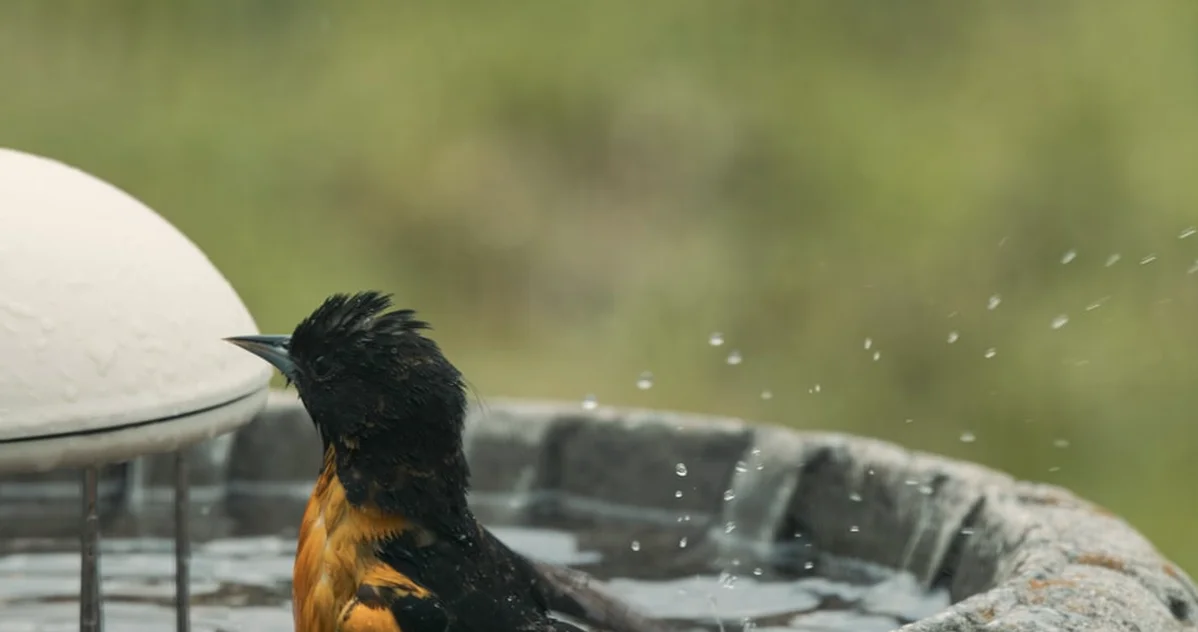
Late summer creates a real pressure point for wildlife
August is a demanding period even when the weather does not feel exceptionally hot. Natural puddles, damp soil margins and shallow ditches can disappear after dry weather. Lawns may harden, and the wet ground where hedgehogs normally find worms, beetles and other invertebrates becomes less productive. Birds face a related problem: the water they need for drinking and bathing may be less available precisely when they are managing post-breeding moult.
Birds need water for more than drinking
Garden birds drink small quantities, but bathing is equally important. A bath helps them maintain feather condition by dislodging dirt, loose feather material and some external parasites. This matters during late summer, when many resident species are replacing worn feathers after the breeding season. Clean, well-kept plumage provides insulation and efficient flight as autumn approaches.
A feeder filled with seed cannot replace a water source. Indeed, sunflower hearts, peanuts and suet are dry foods, so birds visiting a busy feeding station may benefit particularly from nearby drinking water. This does not mean placing water immediately beneath feeders, where husks and droppings will quickly contaminate it. It means treating feeding and watering as connected parts of a hygienic wildlife area.
Hedgehogs need low-risk access, not a deep bowl
For hedgehogs, shallow water can be valuable on warm nights and in dry conditions. They can travel considerable distances while foraging, and a dependable drink reduces one pressure in an increasingly fragmented landscape. Yet a deep-sided bucket, pond with no escape route, or steep ceramic bowl can present a hazard rather than help.
The practical implication is important: a garden designed for hedgehogs should offer a broad, shallow dish with an easy lip, placed on firm, level ground. A stone or twig ramp can add grip and an exit route. The aim is to give a thirsty animal a safe drink, not create an obstacle it cannot climb out of.
Advertisement
The best way to provide water in a UK garden
A wildlife-friendly water point does not need to be expensive. A purpose-made bird bath is useful, but a clean terracotta plant saucer can work well. Several small water stations are often better than one large, crowded feature, especially in gardens where cats regularly patrol.
Set up a bird bath that birds can actually use
Choose a shallow basin with a gently sloping edge. Ideally, water should be shallow at the margins and no more than a few centimetres deep in the centre for small garden birds. Add a few clean pebbles or a flat stone to create variable depths and secure footing. This helps species such as robins, wrens, blue tits and house sparrows, which may avoid a smooth, deep bowl.
Place the bath where birds have a clear view of approaching danger, while keeping it close enough to a shrub or small tree for a quick escape. Dense cover immediately beside the bath can allow a cat to ambush bathers; an open position with refuge a short flight away is generally safer. If cats are a persistent issue, use a raised bird bath rather than a dish on the ground.
Avoid locating it directly below a feeder. Seed fragments, faeces and discarded food turn water foul quickly. A short distance away is usually enough to keep the areas functionally linked without making cleaning harder.
Create a separate ground-level dish for hedgehogs
Use a heavy, shallow dish that cannot easily tip. Refresh it each evening, since hedgehogs are mainly nocturnal, and position it away from roads, uncovered drains, netting and other hazards. A quiet boundary edge can work well, provided there is an obvious route in and out of the garden, such as a hedgehog-sized gap at the base of a fence.
Do not add milk. The familiar image of a hedgehog being given a saucer of milk is poor advice: hedgehogs are lactose intolerant, and milk can cause diarrhoea and dehydration. Fresh plain water is the right default.
If offering supplementary food, keep it separate from the water and use a suitable meaty hedgehog food or meat-based cat food rather than bread and milk. Remove uneaten food promptly so it does not attract rats or create a feeding point where hedgehogs, foxes and pets congregate.
Cleanliness is the part gardeners should not skip
A water dish that is left unchanged can spread illness between birds. Avian diseases can be transmitted through contaminated surfaces and water, especially where many birds gather. In warm weather, algae and bacteria also build up quickly.
Empty and refill bird baths daily where possible. Scrub them regularly using a dedicated brush and hot water, then rinse thoroughly before refilling. Do not use household disinfectants, bleach or washing-up liquid unless a product is specifically intended and safe for wildlife use; residue can harm birds and other visitors. Wash hands after cleaning feeders and baths, and keep the equipment used for wildlife separate from kitchen items.
If you see a sick or dead bird near a feeder or bath, temporarily remove the food and water source, clean it thoroughly and monitor the situation. A short pause is better than maintaining a busy communal point that may enable disease transmission. In gardens with regular bird activity, rotating between two baths makes this easier: one can dry while the other is in use.
What this means for feeding routines
The practical lesson from the Surrey Live reminder is that feeding wildlife is not only about calories. A responsible feeding routine includes hydration, hygiene and sensible positioning. Gardeners who refill seed feeders every few days should add water checks to the same habit.
For professionals maintaining communal gardens, care homes, schools or managed landscapes, water provision should be written into the summer maintenance schedule. Assigning responsibility matters. An attractive bird bath that is empty for a week during a dry spell offers little benefit, while a freshly filled shallow dish can support birds daily.
There is also a wider garden-management benefit. A water source may attract insects, which in turn feed young birds and bats. This is not a reason to tolerate stagnant water: it is a reason to maintain small, clean water features, planted pond margins and damp refuges where feasible. Wildlife-friendly gardening works best as a network of modest resources rather than a single feeder or one-off intervention.
Advertisement
A simple August checklist
- Put out a shallow, stable dish of fresh water for hedgehogs at ground level.
- Provide a raised, shallow bird bath with stones or textured footing.
- Refill water daily during dry or warm weather.
- Scrub baths frequently with hot water and rinse well.
- Keep bird water away from the area directly under feeders.
- Never offer hedgehogs milk, and ensure ponds, buckets and water butts have safe escape routes.
- Check that birds have a clear line of sight around bathing areas and that cats cannot easily ambush them.
Small interventions are most effective when they are dependable. Making fresh water part of the daily garden routine is far more valuable than putting out a decorative bowl once and forgetting it.
FAQ
Should I leave water out for garden birds all year?
Yes. Birds need drinking and bathing water in every season. In winter, check that shallow baths have not frozen and provide fresh water when safe to do so. Hygiene remains essential throughout the year.
Can hedgehogs drink from a bird bath?
Only if it is at ground level and has very shallow, easily accessible edges. A raised bird bath is for birds, not hedgehogs. Provide hedgehogs with a separate shallow dish and an exit ramp where needed.
How often should I clean a bird bath?
Refresh the water daily in warm weather and scrub the bath regularly, particularly when it receives heavy use. If water looks cloudy, contains droppings or food debris, replace it immediately.
Is a pond better than a water dish for wildlife?
A well-designed pond with shallow shelves, planted margins and escape routes can support more species over time. However, a clean shallow dish is quicker to install, easier to maintain and still highly useful for garden birds and hedgehogs. Many gardens can benefit from both.
Source: Surrey Live — Thu, 20 Aug 2026 08:28:00 GMT

Editorial Team
Our team consists of passionate British birdwatchers and garden wildlife enthusiasts. We provide honest, practical advice on feeding garden birds, choosing the right feeders, and making your outdoor space a haven for UK wildlife — guided by RSPB best practice and real garden experience.
The information on this website is provided for general guidance only. Always follow RSPB and BTO best practice when feeding garden birds. Product recommendations may include affiliate links — see our disclosure policy for details.