Table of Contents
Advertisement
Identify and support winter garden birds safely
Winter bird identification is easiest when you check plumage, size, bill shape, feeding place and behaviour together. Watch how each bird feeds before naming it, particularly when thrushes appear after frost. Redwings and fieldfares may both initially resemble brown thrushes, but redwings often probe lawns in loose groups, whereas the larger fieldfare tends to stand upright and call noisily near berry trees. Identify them by flock behaviour, feeding location and head pattern rather than breast colour alone.
| Bird | Size and plumage | Bill and behaviour | Food and garden spot |
|---|---|---|---|
| European robin | Small, with an orange face and breast | Fine bill; often feeds alone | Mealworms; ground or low tray |
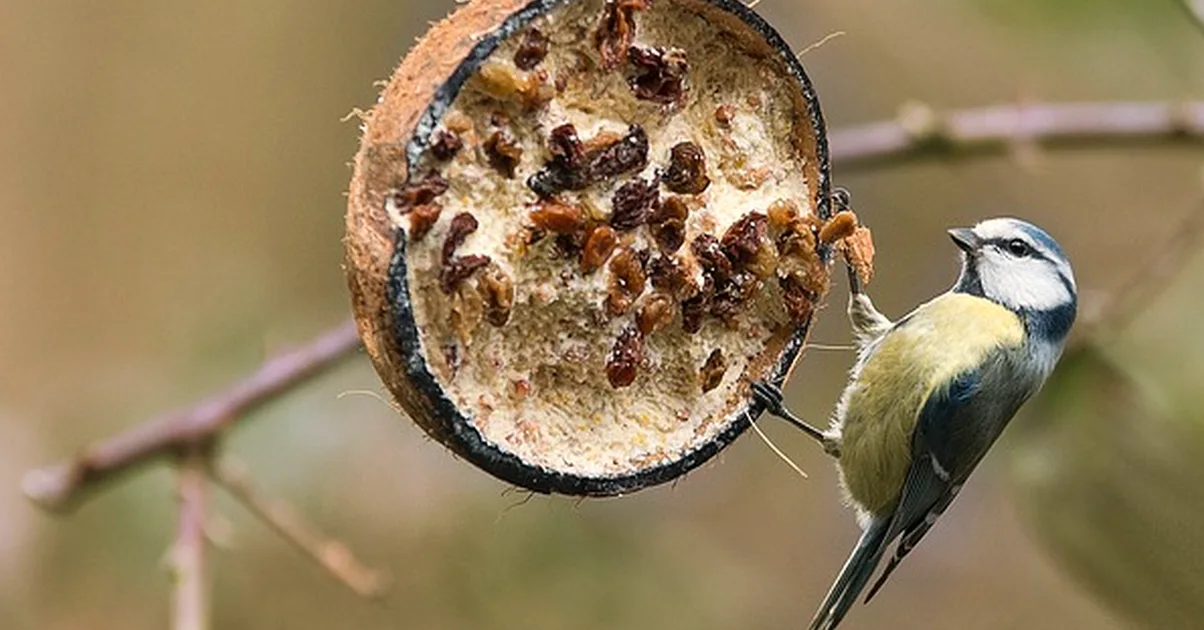
| Blue tit | Tiny, with a blue cap and yellow belly | Short bill; agile hanger | Sunflower hearts; [feeder](https://gardenbirdsguide.co.uk/autumn-bird-feeder-advice-uk-migration-season/) |
- Keep shallow water unfrozen and replace it daily during frost.
- Offer sunflower hearts and suet, and keep feeding stations clean.
- Avoid seasoned household leftovers.
- Even a small English balcony can support birds with safe cover, a feeder and a clean water dish.
Know which birds arrive from November to March
Most garden visitors are year-round residents, but redwings and fieldfares commonly arrive from northern and eastern Europe between November and March. Their numbers in England can rise sharply after hard frost, when frozen ground makes worms and larvae harder to reach.
A month-by-month garden calendar
Berries change the visitor list
The common advice to fill a feeder whenever winter starts is incomplete. Supplementary feeding helps most when natural food is scarce, but native hedgerows, climbers and a patch of leaf litter provide food and cover for far longer than one feeder refill.
November to March bird visitors do not follow an identical timetable in every part of the UK. Redwings and fieldfares usually begin arriving in autumn, but the number reaching a garden can rise suddenly after snow or prolonged frost blocks feeding in fields and woodland. These thrushes may remain in berry-rich areas through late winter, and some do not leave until March or April. Coastal, northern and eastern areas can see different patterns from sheltered southern gardens.
Blackcaps are also weather-dependent: some overwinter in Britain, especially in milder southern areas, while others move on when cold conditions reduce access to fruit and soft foods. Treat the calendar as a guide to likely activity, not a guaranteed arrival date.
Advertisement
Feed winter birds safely during frost
Use energy-rich food, fresh shallow water and clean bird feeders during frost. Sunflower hearts, unsalted suet pellets and good seed mixes support common garden birds, while a feeder left dirty for weeks can spread illness through a crowded flock.
Match food to the feeding place
Put sunflower hearts in a seed feeder for tits, finches and sparrows. Place a small amount of mealworms on a low tray for robins and blackbirds, and use suet pellets in a solid holder rather than loose netting.
Energy-rich bird food is most useful when frost has hardened the ground and natural food is harder to reach. Choose small packs first if you are still learning which birds use your space.
- Sunflower hearts leave less husk mess on a balcony or paved yard.
- Suet pellets give tits and robins concentrated energy during cold mornings.
- Smaller packs reduce waste if wet weather keeps birds away.
Keep water open and shallow
Fresh drinking water can matter as much as food during a freeze. Use a shallow dish with a rough base, refresh it at least once daily, and gently lift out thin ice rather than pouring in boiling water.
Clean feeders before disease spreads
Wash feeders about once a week in normal use and more often if they are visibly dirty or several birds look unwell. Use hot soapy water, rinse thoroughly, dry fully and move ground-food areas every few days.
Winter bird feeding UK works best when each food is placed where the species can use it safely. A hanging feeder is ideal for blue tits because they can cling and feed upside down, while great tits are usually more forceful at feeders and may displace smaller birds at a busy port. Offer robins mealworms, suet pellets or chopped fruit on a low tray, away from dense feeder traffic.
Coal tits often carry seeds to nearby shrubs, so a feeder beside cover is especially useful. Berry-eating birds such as blackbirds and winter thrushes may favour apples or berries, while lawn-foraging birds search thawed ground for worms and insects. Use modest portions and remove wet leftovers before they spoil.
Help birds in small urban English gardens
Small gardens can help winter birds if food, water and cover are separated sensibly. A balcony, courtyard or narrow terrace needs one clean feeder, one shallow water dish and a dense plant or trellis cover, rather than several crowded feeding points.
Place feeders for safety and access
Set a feeder where you can reach it for cleaning, usually between 1.5 and 2 metres above ground. Keep it away from reflective glass where possible, and move it closer to a window if repeated strikes occur, because birds then cannot build dangerous speed.
Leave shelter without making a mess
An evergreen pot, a clipped hedge edge, ivy on a fence and a few dry stems can offer cover. Leaf litter under shrubs may hold insects, which gives blackbirds and robins a natural food source alongside supplementary feeding.
What people ask
Which UK garden birds migrate in winter?
Redwings and fieldfares commonly arrive in the UK for winter, while robins, tits and many blackbirds stay year-round. Some blackcaps also overwinter in Britain, particularly in southern England, but numbers change with weather and food.
Why put a potato in the bird feeder?
Plain, cold, unseasoned cooked potato can be offered occasionally in small pieces during winter. Do not put out chips, crisps, mash with butter, gravy, salt or any seasoned leftovers.
Where do robins go at night in winter?
Robins usually roost alone in dense ivy, hedges, shrubs, crevices or sheltered nest boxes. They choose cover that blocks wind and rain, often only a few metres from a daytime feeding area.
What should I feed wild birds in the UK during winter?
Sunflower hearts, quality seed, suet pellets, fat balls and small amounts of mealworms are suitable winter foods. Give fresh water daily and clean feeders weekly, or sooner if food is wet or contaminated.
Advertisement
Learn more
Here are some additional resources on this subject:
- Bird feeding | what & when to feed birds in your garden — rspb.org.uk
- 15 Garden Birds To Spot This Winter — blog.happybeaks.co.uk
- Garden birds in winter — bto.org

Editorial Team
Our team consists of passionate British birdwatchers and garden wildlife enthusiasts. We provide honest, practical advice on feeding garden birds, choosing the right feeders, and making your outdoor space a haven for UK wildlife — guided by RSPB best practice and real garden experience.
The information on this website is provided for general guidance only. Always follow RSPB and BTO best practice when feeding garden birds. Product recommendations may include affiliate links — see our disclosure policy for details.