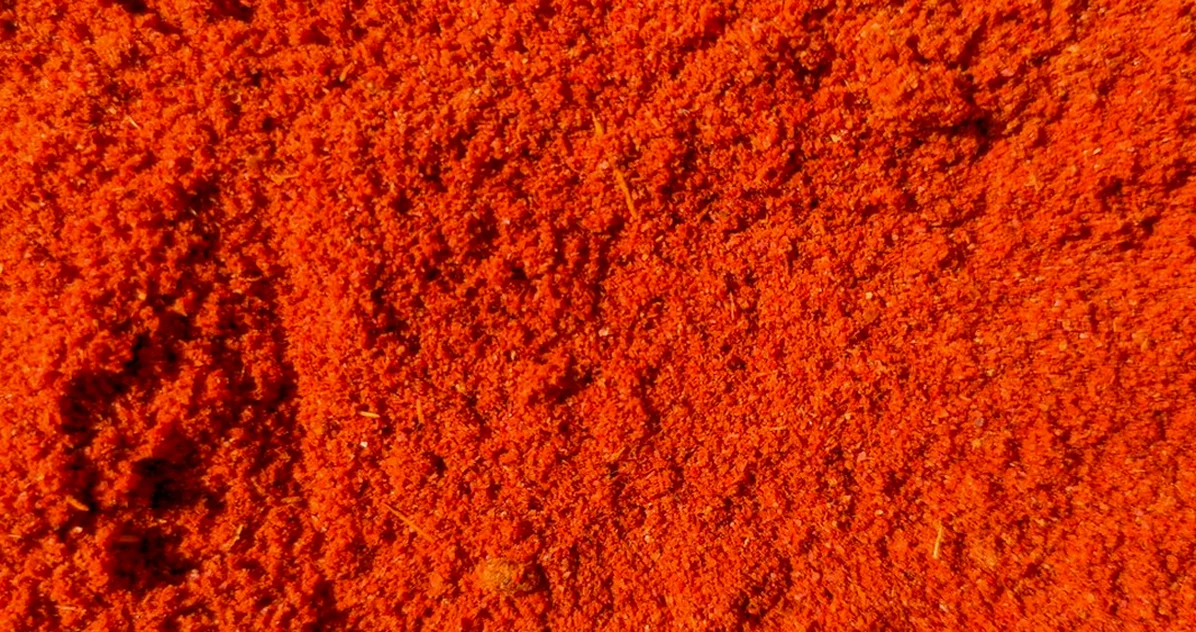
Chilli powder is not recommended for gardens where birds, pets or other wildlife feed and forage. Birds are less sensitive to capsaicin than mammals, but loose powder can become airborne, contaminate water and food, and irritate eyes or airways. Use squirrel-proof feeders, baffles and regular cleaning instead.
The suggestion to scatter chilli powder outdoors is attracting attention as gardeners look for inexpensive ways to protect bulbs, crops and bird food in September. The appeal is obvious: chilli’s active heat compound, capsaicin, is unpleasant to many mammals, while birds are far less sensitive to it. But that simple distinction does not make scattering a spice across a UK garden a good all-purpose wildlife-management tool.
For people feeding wild birds, the important question is not merely whether a squirrel or fox dislikes chilli. It is whether the method is targeted, reliable and safe around birds, hedgehogs, pets, children and the person applying it. On those tests, loose chilli powder is a poor first choice.
Table of Contents
Advertisement
Why chilli advice appears in September
September is a pressure point for garden feeding. Natural berries, seeds and invertebrates may still be available, but birds are also building reserves for colder weather and young animals are learning where reliable food can be found. At the same time, grey squirrels are highly active around feeders, and rats and mice may exploit seed dropped beneath them.
That creates a familiar frustration: a feeder filled in the morning can appear empty by lunchtime, with little evidence that tits, finches or robins had much access. Chilli is often presented as a quick deterrent because mammals generally experience capsaicin as an irritant, whereas most birds do not perceive its burning sensation in the same way.
There is a grain of biological truth here. Many plants use bright fruits and capsaicin in ways that discourage mammal seed-eaters but still allow birds to disperse seeds. However, translating that fact into “scatter chilli powder around the garden” skips several practical and welfare considerations.
Birds may tolerate capsaicin, but powder is not bird food
Birds’ reduced sensitivity to capsaicin should not be confused with proof that every chilli product, dose or delivery method is harmless. A garden bird does not need to feel a burning mouth sensation for airborne dust to be an undesirable exposure.
Dust is the key problem
Fine chilli powder can become airborne while it is being shaken, spread or disturbed by wind, rain splash, paws and feeding activity. Any fine particulate can irritate eyes and airways. This matters especially at a busy feeding station, where birds land, flick seed husks, preen and feed at close range.
A loose powder also does not stay where it was put. It can drift on to bird tables, water dishes, nesting material, patio surfaces or neighbouring gardens. Once wet, it can form clumps and become mixed with soil and spilled seed, making the actual exposure impossible to judge.
Kitchen chilli products are not standardised wildlife products
Chilli powder is not one uniform item. A cupboard blend may contain salt, garlic, onion powder, cumin, anti-caking agents or other seasonings. These additions are not appropriate around wildlife or pets. Never use a mixed spice blend, chilli sauce, curry powder or any seasoned product in or around bird food.
Even plain chilli powder varies widely in strength and fineness. Advice based on a casual “sprinkle” has no dependable dose, no clear boundary and no way of ensuring it remains out of water and feed.
Advertisement
The pet and wildlife issue gardeners should not overlook
The main reason to avoid broad scattering is that gardens are shared spaces. A dog investigating a border, a cat brushing through vegetation, or a curious child touching soil can encounter the powder directly. Capsaicin can cause marked discomfort to mammals, particularly if it gets into eyes, noses or mouths. Dogs may paw at their face, salivate, cough or develop stomach upset after exposure.
Hedgehogs, which frequently visit UK gardens after dusk, are another reason to be cautious. They investigate areas with their noses close to the ground and may be drawn to the insects and food debris around a feeder. A deterrent designed to cause sensory discomfort is not a sensible substitute for managing fallen seed and accessible food.
It is also worth remembering that a deterrent can simply move a problem. If squirrels are kept away from one exposed feeding spot, they may raid another feeder, dig in planters, or seek food elsewhere. Effective wildlife-friendly gardening is usually based on physical design and good housekeeping rather than trying to make the whole garden unpleasant for selected animals.
Better ways to protect bird food from squirrels and rodents
For a Garden Birds Guide reader, the priority should be ensuring birds can feed safely while limiting waste. The following measures are more predictable than scattering chilli and do not rely on irritating animals.
Choose the feeder for the species you want to support
A robust, weight-activated squirrel-resistant feeder can close access to seed ports when a heavier animal lands on it. These models are not flawless, but they are usually much more effective than open tubes or hanging trays.
For peanuts and suet, use a sturdy metal-caged feeder with appropriately sized mesh. Small garden birds can reach the food while larger animals are restricted. Check regularly that smaller birds can enter and leave freely; damaged cages, sticky mechanisms and poorly positioned feeders can create their own hazards.
Avoid putting large quantities of seed on the ground if rats, mice or squirrels are a concern. Ground feeding can be valuable for blackbirds, robins and dunnocks, but it needs modest portions that are eaten promptly, rather than an all-day buffet.
Position feeders intelligently
Place feeders away from fences, sheds, tree trunks, walls and dense climbing plants that offer a launching point. A clear gap of around 2 metres is useful where the garden layout allows, though agile squirrels can still leap surprisingly far.
Use a smooth metal pole and fit a properly sized baffle below hanging feeders. Keep it high enough that animals cannot simply reach around it from the ground. Do not position a feeder directly over a border full of dense cover, where spilt food is difficult to see and clean up.
Reduce the food that reaches the ground
A seed tray fitted beneath a hanging feeder catches husks and dropped seed, reducing the reward for rodents and making cleaning easier. Choose no-grow or low-waste seed mixes where appropriate, rather than cheap blends bulked out with wheat or large quantities of filler seed that many feeder birds reject.
Sweep or rake up accumulated debris regularly. In wet September weather, discarded seed can spoil quickly, encouraging mould and concentrating birds around contaminated food. Clean feeders and trays with suitable wildlife-safe hygiene practices, rinse thoroughly and allow them to dry before refilling.
Feed little and often
If one large refill attracts persistent squirrels or leaves food overnight, offer smaller amounts more frequently. This is particularly sensible during mild periods, when natural food remains plentiful and seed can linger. Watch what is actually eaten in your garden and adjust rather than assuming every feeder must be kept full to the brim.
A practical September plan for bird-friendly gardens
Start by observing the feeding station for several days. Are squirrels taking food directly from the feeder, or are they clearing up what birds spill? Are rats appearing after dark? Is a particular food, such as loose sunflower hearts on a tray, the main source of waste?
Then make one change at a time: install a seed tray, move the feeder away from a fence, switch to a squirrel-resistant model, or reduce the refill quantity. This makes it possible to see what works rather than layering several interventions and still relying on a dust-based deterrent.
If you already scattered chilli powder, do not panic, but do remove visible residue where practical. Wipe down feeder surfaces, refresh any water, clear contaminated spilled food and avoid adding more. Wash hands and avoid rubbing your eyes while cleaning. If a pet shows persistent eye irritation, coughing, vomiting or distress after suspected exposure, contact a vet promptly.
The wider lesson is useful beyond this particular tip: wild birds benefit most from clean food, clean water, secure feeder design and a calm, well-maintained feeding area. Those measures help birds without turning a shared garden into an irritant zone for every other visitor.
Advertisement
FAQ
Can I put chilli powder directly in bird seed to stop squirrels?
It is better not to use household chilli powder in bird seed. Although birds are generally less sensitive to capsaicin than mammals, powder can create dust and may contain added ingredients. Use a well-designed squirrel-resistant feeder, a baffle and a seed-catching tray instead.
Will chilli powder harm garden birds?
Birds do not usually respond to capsaicin as mammals do, but that does not mean loose chilli dust is risk-free. It can spread on to eyes, water and feeder surfaces, and mixed household products may contain unsuitable ingredients. Avoid treating it as a general garden bird-feeding solution.
What is the safest way to keep squirrels off a bird feeder?
Use a weight-activated squirrel-resistant feeder on a smooth pole, positioned away from launch points such as fences and trees. Add a correctly fitted baffle and clear spilled seed beneath the feeder regularly.
How can I feed robins and blackbirds without attracting rats?
Offer only a small amount of suitable food in the morning, ideally on a clean raised tray or a briefly used ground-feeding area. Remove leftovers before evening, keep food away from dense cover and do not leave large piles of seed on the ground overnight.
Source: Daily Express — Sat, 05 Sep 2026 17:37:00 GMT

Editorial Team
Our team consists of passionate British birdwatchers and garden wildlife enthusiasts. We provide honest, practical advice on feeding garden birds, choosing the right feeders, and making your outdoor space a haven for UK wildlife — guided by RSPB best practice and real garden experience.
The information on this website is provided for general guidance only. Always follow RSPB and BTO best practice when feeding garden birds. Product recommendations may include affiliate links — see our disclosure policy for details.