Table of Contents
Advertisement
The September ‘once a week’ rule is about disease control, not tidiness
The advice reported by Express—that gardeners should clean a bird table once a week during September—sounds simple. Its real value is in recognising that a bird table is a shared feeding surface, not merely a decorative feature. When several species repeatedly land, feed and defecate in the same small area, food debris and droppings can build up quickly. That creates conditions in which harmful bacteria, mould and pathogens may be passed between birds.
For UK gardens, September is a particularly sensible month to establish a cleaning routine. Young birds fledged during the summer are still using gardens, resident species are feeding actively before colder weather, and damp late-summer conditions can spoil seed and suet rapidly. A regular weekly clean reduces the amount of contamination that can accumulate between visits.
However, readers should treat weekly cleaning as a minimum routine for a lightly used, dry bird table, rather than an excuse to leave visibly dirty surfaces untouched for seven days. A table covered in wet seed, droppings or mould needs attention immediately. Good feeder hygiene is based on what is happening at the feeding station, not only what day it is.
Why September changes the risk at a bird table
More birds may be sharing the same food source
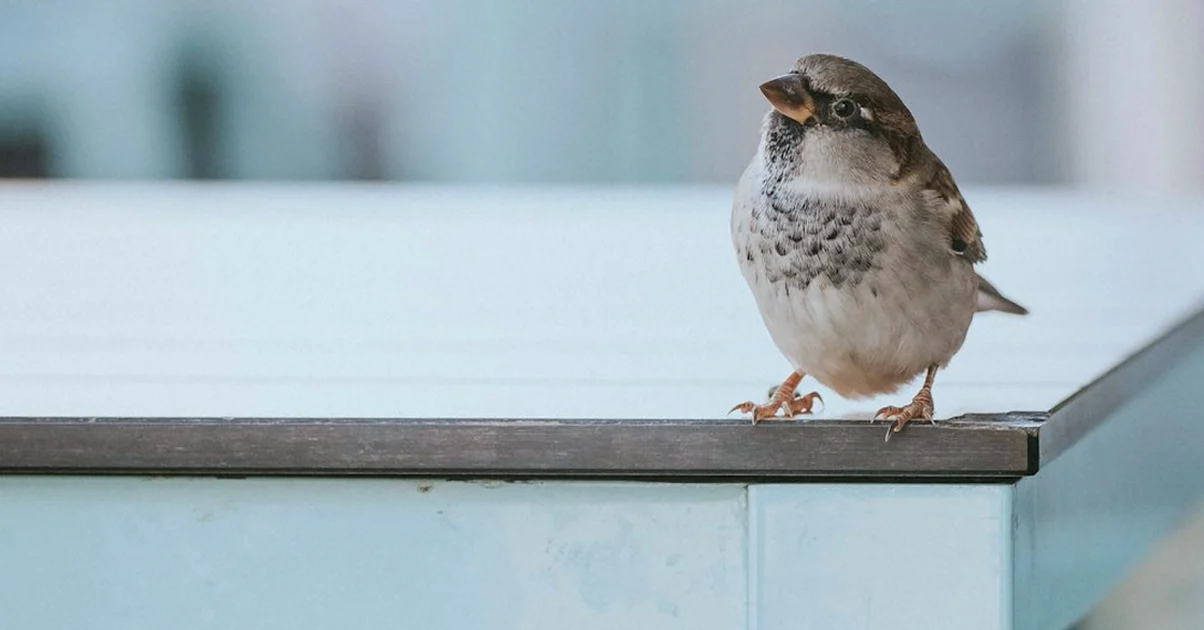
A well-stocked bird table can attract house sparrows, robins, blackbirds, dunnocks, starlings, chaffinches, woodpigeons and collared doves, often within a short period. Different species feed in different ways: some scatter seed, some perch on edges, while larger birds may stand directly on food. The result is considerable contact between feet, faeces and feed.
This does not mean garden feeding is inherently unsafe. It means that food must be managed as food for wild animals, rather than tipped out and forgotten. A small quantity of fresh food on a clean surface is safer than a large pile that remains through rain, overnight damp and repeated use.
Autumn weather makes food spoil faster than many people expect
September can alternate between warm days, humid nights and heavy showers. Wet seed can clump and ferment; cheap seed mixes may contain dusty fragments that become a soggy layer on the table; and soft foods such as grated cheese, fruit or mealworms can deteriorate quickly.
If food is wet, slimy, mouldy or has an unusual smell, it should be removed. Do not attempt to ‘dry it out’ for reuse, and do not sweep old food into flowerbeds where birds may continue to find it. Bag it and put it in household waste where appropriate.
Hygiene protects the birds people most want to help
Garden birds can be affected by illnesses spread at feeding sites, including salmonellosis and trichomonosis. The latter has historically been associated particularly with greenfinches and chaffinches, although any crowded feeding location deserves care. Disease transmission is not always obvious: a bird may look unwell, but contamination can also be present before a gardener notices a problem.
Warning signs include unusually lethargic birds, birds sitting fluffed up for long periods, difficulty swallowing, wet feathers around the beak, or several dead birds near the feeder. If this happens, stop feeding temporarily, clean feeding equipment thoroughly, remove bird baths as well, and seek guidance from a recognised wildlife health organisation such as the Garden Wildlife Health project. Continuing to put out food while sick birds congregate can worsen the situation.
Advertisement
A practical weekly bird-table cleaning routine
A good routine need not take long, but it should be systematic.
1. Remove all leftover food first
Wear disposable gloves, or use dedicated cleaning gloves, and scrape off seed husks, droppings and old food. Do not brush dry waste vigorously where dust can become airborne. Place waste straight into a bag.
Check the underside, corners, roof supports and drainage gaps. These areas often retain damp debris even when the top looks clean.
2. Wash, disinfect and rinse the surface
Use hot soapy water first to physically remove grime. Then apply a bird-safe disinfectant according to its label instructions, or a properly diluted disinfecting solution suitable for outdoor wildlife feeding equipment. Never mix cleaning chemicals.
Rinse thoroughly with clean water afterwards. Residues can be harmful, and the point is to leave a hygienic feeding surface—not a perfumed one. Allow the table to dry completely before adding fresh food. If possible, clean removable trays separately so every surface is accessible.
3. Clean around the table too
The ground beneath a bird table is often the neglected part of the feeding station. Seed accumulates there, attracting rodents and allowing birds to feed among droppings. Sweep up fallen food regularly, especially if pigeons, doves or squirrels are creating heavy waste.
If practical, move a freestanding table slightly from time to time, allowing the ground beneath it to recover. Avoid placing tables beside dense cover where cats can hide, but retain nearby shrubs and trees as an escape route at a safe distance.
4. Refill modestly, not generously
Put out only as much food as birds will eat in a day or two. This is one of the most effective hygiene changes a gardener can make. In damp conditions, reduce quantities further and replenish with fresh feed more often.
For a table, use a quality seed mix with minimal filler, plus suitable options such as sunflower hearts, chopped unsalted peanuts in a mesh feeder, or small amounts of mealworms. Whole peanuts should not be left loose where very young birds could attempt to swallow large pieces. Avoid salted foods, mouldy bread, cooking fats and any food that has already been on a human plate.
Weekly is the baseline: when should you clean more often?
The ‘once a week’ rule is useful because consistency prevents neglect, but some gardens need a more frequent schedule. Clean immediately—or at least every day or two—when:
- rain has soaked food or created a wet, sticky surface;
- birds are feeding in large numbers;
- droppings are clearly visible on the table or around a feeder;
- food has become mouldy, clumped or pest-contaminated;
- you observe an ill or dead bird nearby;
- pigeons, doves or squirrels regularly dominate the table.
Tube feeders, nyjer feeders and peanut feeders should also be checked and cleaned regularly. Ports, perches and feeding trays are high-contact points. Bird baths require similar care: empty, scrub and refill them frequently, particularly if many birds are using them.
Better feeding design can reduce cleaning pressure
A bird table is not always the best format for every garden. Open tables are easy for ground-feeding birds to access, but they can be difficult to keep dry and may encourage larger birds to monopolise food. A roof, drainage holes and a removable tray make a major difference.
Consider combining a modest bird table with hanging feeders. Sunflower hearts in a tube feeder can produce less scattered waste than a broad seed mix on a flat table, while a separate ground tray can be put out briefly for robins and blackbirds, then removed and cleaned. Spreading food sources apart also reduces crowding at one point.
The aim is not to make a garden sterile. Wild birds naturally encounter mud, insects and other birds. The aim is to avoid creating an artificial, repeatedly contaminated feeding hotspot. Regular cleaning, dry food and sensible portions let gardeners offer reliable support without increasing avoidable risk.
Advertisement
FAQ
Is it safe to feed garden birds in September?
Yes, provided feeding areas are kept clean and food is fresh. September feeding can support resident birds and young birds, but damp weather means seed and soft foods must be checked more closely.
Do I need to disinfect my bird table every week?
Washing away debris is essential, and regular disinfection is a sensible part of a weekly routine. Always use a suitable product correctly, rinse thoroughly and let the table dry before refilling.
What should I do if I find a sick or dead bird near my feeder?
Stop feeding temporarily, remove and clean all feeding equipment and bird baths, and dispose of dead birds without direct contact. Consult Garden Wildlife Health or a local wildlife rescue for current disease guidance.
Can I leave food on the bird table overnight?
It is better to offer smaller amounts that are eaten promptly. Food left overnight can become damp, attract rodents and accumulate contamination, particularly during wet September weather.
Source: express.co.uk — Sat, 19 Sep 2026 13:32:00 GMT

Editorial Team
Our team consists of passionate British birdwatchers and garden wildlife enthusiasts. We provide honest, practical advice on feeding garden birds, choosing the right feeders, and making your outdoor space a haven for UK wildlife — guided by RSPB best practice and real garden experience.
The information on this website is provided for general guidance only. Always follow RSPB and BTO best practice when feeding garden birds. Product recommendations may include affiliate links — see our disclosure policy for details.