A bird table UK can attract robins, blackbirds and dunnocks, but its flat surface lets droppings and wet food build up faster than hanging feeders. Choose one only if you can clean it regularly, remove damp leftovers daily and site it away from cats and windows.
Table of Contents
Advertisement
Choose the right bird table for your garden
A table suits gardens where you can offer small amounts of food, clear leftovers daily and keep cats away from the feeding area; tube or mesh feeders are usually cleaner for sunflower hearts and small seeds.
| Feeding method | Best visitors | Droppings risk | Pest access | Typical England price |
|---|---|---|---|---|
| Raised table | Robins, blackbirds, starlings | High if not cleared daily | High for pigeons and squirrels | About £35 to £120 |
| Tube seed feeder | Tits, finches, sparrows | Lower | Lower with a cage | About £10 to £45 |
| Mesh peanut feeder | Blue tits, great tits, nuthatches | Lower | Moderate | About £8 to £30 |
| Ground tray | Dunnocks, robins, blackbirds | High | High for rats | About £8 to £25 |
Birds that use a raised table
Robins, blackbirds and dunnocks often prefer an open tray because they do not cling comfortably to feeder ports. Offer mealworms, chopped apple, sunflower hearts or a small amount of good mixed seed.
Designs that are worth buying
Choose a removable tray, drainage holes and corners you can reach with a brush. A roof helps keep off some rain, but it does not make food safe for several days.
Look for a raised table with a removable, drained tray rather than one with simply the largest roof. The easy-clean detail matters far more than extra feeding space.
- A removable tray makes daily removal of wet food much quicker
- Drainage holes stop rainwater sitting beneath seed and mealworms
- A raised edge helps keep loose sunflower hearts on the surface
For a bird table that will last through British weather, prioritise construction that dries quickly and can be cleaned without trapped joints. FSC-certified or reclaimed timber is a sensible sustainable choice when it is untreated or finished with a bird-safe exterior coating; bare softwood may look attractive but can hold moisture and deteriorate if it is never maintained. A slate roof is durable and gives a traditional garden look, while a timber roof is lighter and easier to repair, but neither replaces a removable feeding tray.
Freestanding tables suit open lawns and patios, whereas hanging designs can reduce access for some ground-feeding birds but may swing in the wind. Choose appearance only after considering hygiene, drainage and stable construction.
Buy the smallest practical feeding setup for the birds and space you have. In a compact garden, a £10–£25 tube seed feeder with sunflower hearts is usually easier to monitor than a large table and creates less exposed food; add a small robin feeding table only when you can clear soft food daily. Medium and large gardens can accommodate a raised bird table with a removable feeding tray for food for blackbirds, fruit and mealworms for garden birds, provided fallen food is swept up.
Where squirrels are persistent, a squirrel-proof bird feeder or a caged tube feeder is usually better value than repeatedly replacing spilled seed. Capacity should match daily visits, not the amount of food you would like to leave out.
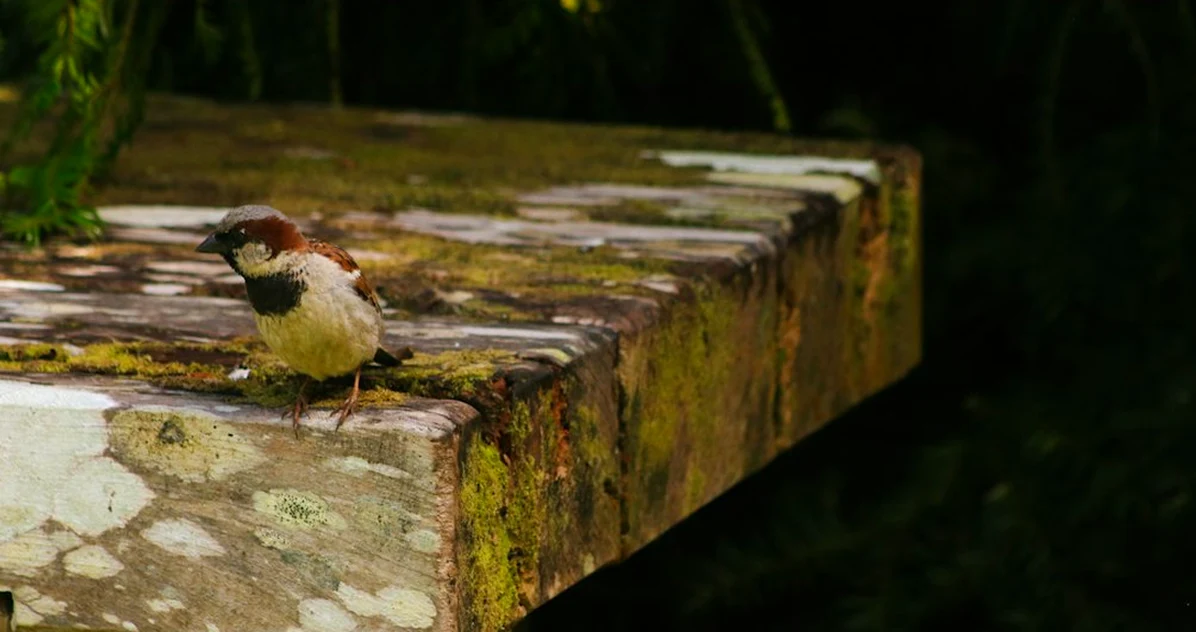
Why flat tables need stricter hygiene
Flat tables need daily food checks because several birds stand, feed and leave droppings on the same surface, raising the risk of cross-contamination.
Damp food is the main warning sign
Remove soaked seed, mealworms, fruit and broken suet fat balls every day. Mould and droppings can help spread illnesses such as salmonella and trichomonosis.
Stop feeding when birds look unwell
Pause feeding if you find sick or dead birds, mouldy food, heavy droppings or unusual rat activity. Clean the table and nearby ground, let the area dry, then offer small fresh portions.
Advertisement
Site and clean a table without feeding pests
Place a table where birds can see danger approaching, but where you can reach it easily every day; keep it away from cat cover, low walls and overhanging branches.
Shelter without a cat hiding place
A table should be sheltered from wind-driven rain, not sealed into a corner. Keep shrubs far enough away to provide an escape route, rather than letting them touch the table, so cats cannot wait unseen beneath foliage.
A cleaning routine that is realistic
Remove uneaten food daily and brush away droppings whenever you see them. Once a week, wash the tray with hot water and bird-safe disinfectant, rinse thoroughly and let it dry before refilling.
Position a table or hanging feeder where birds have a clear view and a quick route to cover, while avoiding collision and ambush risks. Keep it well away from windows where practical, or place it very close to the glass so birds cannot build speed if they fly into it; window decals or external screens can make glazing more visible. A sheltered position reduces wind-driven rain, but do not put the feeder under dense cover, beside a fence or next to a wall that gives cats and squirrels an easy approach.
Check after heavy rain that drainage holes are working and that wet bird food has not collected in corners. For a freestanding table, leave clear ground beneath it so you can spot droppings, fallen seed and rodent activity.
When a tube feeder is kinder than a table
A tube or mesh feeder is kinder when tits and finches are the main visitors, or when pigeons, squirrels and rats dominate the garden. Its ports limit where birds stand while eating, so less food is spread across a shared surface.
Match food to the birds you want
Use mealworms sparingly on a clean tray for robins and blackbirds. Use sunflower hearts in a tube feeder for finches, and offer suet fat balls in a holder rather than loose on a flat surface.
Do not buy a bird table if daily clearing will not fit your routine. A small hanging feeder still needs cleaning, but it holds less exposed food and is easier to take indoors for washing.
Questions & answers
Why did the RSPB stop selling bird tables?
The RSPB stopped selling bird tables because flat shared surfaces are harder to keep hygienic. Food, moisture and droppings can collect where many birds stand.
What should I put on a bird table in England?
Offer only a small one-day portion of sunflower hearts, mealworms, chopped fruit or quality mixed seed. Remove anything damp or uneaten by evening.
How high should a bird table be?
A stand around 1.2 to 1.5 metres high is common, but clear space around it matters more than a precise height.
Do bird tables attract rats?
Bird tables can attract rats when seed falls below or food is left overnight. Use small portions, sweep up spilled food and stop feeding temporarily if activity becomes regular.
- The essentials: choose a flat table for soft-food visitors, not as the default feeder for every species.
- The essentials: a removable, drained tray is more useful than a large decorative roof.
- The essentials: clear wet food daily and pause feeding if birds look ill or rats become active.
- The essentials: use a tube or mesh feeder where finches, hygiene and pest control are the priority.
Advertisement
Learn more
Here are some additional resources on this subject:
- High-Quality Bird Tables for Sale — riversidewoodcraft.co.uk
- Wooden Bird Tables | Bird Feeding Tables — lovegardenbirds.co.uk
- Freestanding Bird tables | Bird care — diy.com

Editorial Team
Our team consists of passionate British birdwatchers and garden wildlife enthusiasts. We provide honest, practical advice on feeding garden birds, choosing the right feeders, and making your outdoor space a haven for UK wildlife — guided by RSPB best practice and real garden experience.
The information on this website is provided for general guidance only. Always follow RSPB and BTO best practice when feeding garden birds. Product recommendations may include affiliate links — see our disclosure policy for details.