Red squirrels are not simply another visitor to a garden feeding station. In the parts of the UK where they still survive, an apparently small decision—whether a feeder is cleaned properly—can form part of a much larger wildlife-health picture. The recent warning reported by the Daily Express is therefore worth taking seriously, but it needs context: cleaning feeders is valuable, yet it is not a stand-alone fix for the pressures facing this native species.
Table of Contents
Advertisement
Why feeder hygiene matters to red squirrels
Bird tables, seed feeders, squirrel feeders and water dishes bring wildlife into close contact. That is useful when food is scarce, but it also creates shared surfaces where saliva, droppings, urine, discarded food and pathogens can build up. A feeder that is continually topped up but rarely emptied and scrubbed becomes a high-traffic feeding point rather than a genuinely helpful one.
For red squirrels, disease is a major concern. The most widely recognised threat is squirrelpox virus. Grey squirrels can carry the virus without displaying severe illness, whereas it can be fatal to red squirrels. Infection can be associated with direct contact and contaminated environments, including feeding sites used by more than one squirrel. A clean feeder cannot remove the underlying risk posed by grey squirrel populations, but reducing contamination at any shared food source is a sensible precaution.
This matters particularly in red squirrel strongholds such as parts of northern England, Northumberland, Cumbria, Wales and Scotland, as well as island populations. In these areas, a garden is not separate from conservation work. It can be a small but meaningful part of the local habitat network.
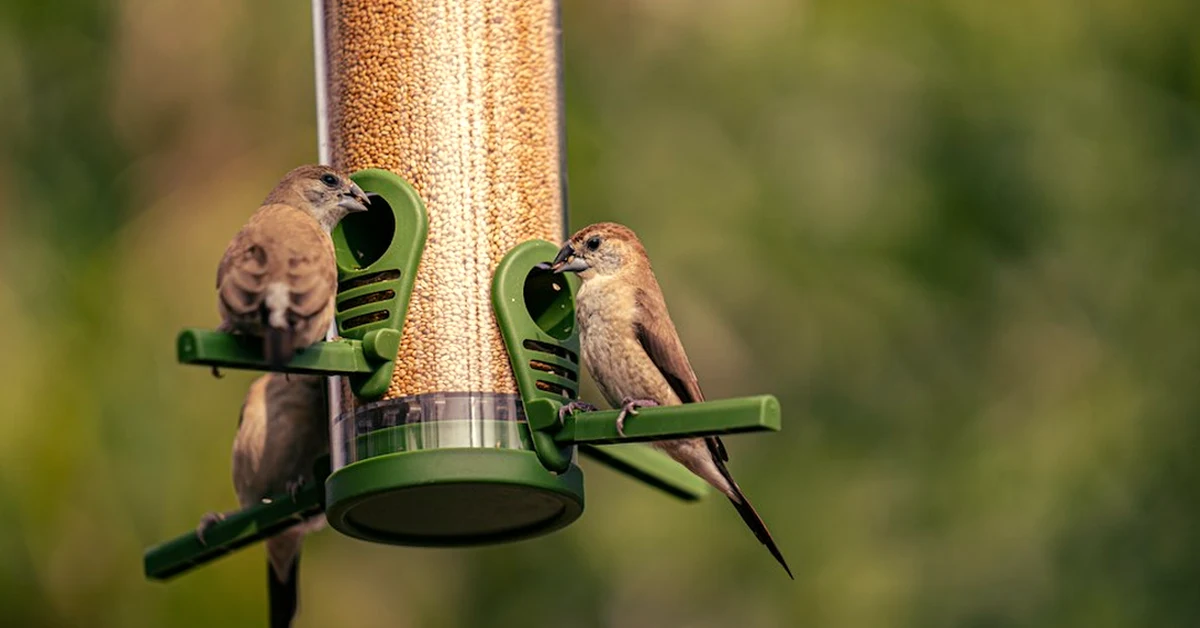
The key implication: feeding wildlife brings responsibility
The practical message is not that every gardener should stop feeding squirrels or birds. Supplementary food can help wildlife through difficult weather and periods when natural food is limited. The issue is that feeding changes animal behaviour. It encourages repeated visits to the same point, often by several species, and can concentrate disease risk if hygiene is neglected.
For people who feed garden birds, this is especially relevant because bird feeders are not exclusively for birds. Squirrels climb them, forage below them and often use nearby water. If seed accumulates on the ground, rodents and grey squirrels may also be attracted to the same area.
A wildlife-friendly garden should therefore be managed like a feeding station, not treated as a place where food can be left indefinitely. The aim is to provide reliable nutrition while avoiding stale, mouldy or contaminated food and preventing one area from becoming overcrowded.
Clean little and often, rather than occasionally and thoroughly
A realistic routine is more effective than an ambitious routine that happens twice a year. For most gardens, clean hard feeders at least once a week; increase this to every few days during wet weather, warm spells, heavy use or whenever disease is suspected locally.
Use a dedicated brush and a mild wildlife-safe disinfectant or hot, soapy water where appropriate. Rinse thoroughly and allow equipment to dry fully before refilling. Do not use harsh household chemicals that may leave harmful residues. Wear gloves, wash your hands afterwards and keep cleaning tools away from food-preparation areas.
The same principle applies to bird baths and squirrel water bowls. Empty, scrub and refill them regularly. Fresh water is beneficial; dirty standing water is not.
Advertisement
A practical red squirrel-safe feeding plan
Gardeners living in, or close to, a red squirrel area can take several sensible steps beyond routine cleaning.
1. Use dedicated, easy-clean equipment
Choose feeders that come apart easily and have smooth surfaces. Ornamental wooden feeding boxes may look attractive, but they are harder to disinfect if food becomes wet or if animals urinate inside them. If you provide a squirrel feeder, inspect the lid, tray and surrounding ledges for damp food and droppings.
Avoid overfilling. Put out only the quantity likely to be eaten within a day or two, then remove leftovers before they spoil. This is particularly important with peanuts, maize and mixed seed, which can become mouldy in damp British weather.
2. Keep feeding areas tidy
Sweep up husks and spilled food beneath feeders. Rotating the location of a ground-feeding area can also reduce the long-term build-up of waste in one patch of soil. Place feeders where they can be observed easily, so changes in animal behaviour or condition are noticed early.
Do not put food directly on the ground in areas where red squirrels are present unless following advice from a local red squirrel group. Ground feeding increases contact between species and makes hygiene more difficult.
3. Know when to pause feeding
If you see a squirrel with crusty lesions around the eyes, mouth, ears, feet or genital area, or an animal that appears lethargic and unwell, stop supplementary feeding immediately. Remove accessible food, clean all equipment and contact the relevant local red squirrel conservation group, wildlife rescue or land manager for guidance.
Do not attempt to catch, treat or handle a sick squirrel. Photograph it from a safe distance if possible, record the location and date, and report it. Early local reporting can help conservation groups monitor potential disease incidents.
The same pause-and-clean approach is sensible if several birds at a feeder look ill or if you find unexplained dead birds. Shared feeding points can facilitate several wildlife diseases, not only those affecting squirrels.
4. Do not unintentionally favour grey squirrels
The biggest conservation challenge for red squirrels remains the spread and impact of invasive grey squirrels, alongside habitat fragmentation and poor food availability in some landscapes. Garden hygiene supports good practice, but it does not replace coordinated local conservation measures.
If you live in a red squirrel area, seek advice before installing squirrel-proofing intended to exclude all squirrels, or before supplying large volumes of high-calorie food. Local groups may recommend particular feeder designs, food types or reporting systems based on local conditions. What works in a suburban garden dominated by greys may be inappropriate near a red squirrel refuge.
What bird-feeder owners should take from this warning
The useful lesson is broader than squirrels: a clean feeder is part of responsible wildlife feeding. The most helpful garden is not necessarily the one supplying the most food. It is the one offering appropriate food, clean water, cover from predators, natural planting and a feeding routine that does not increase avoidable disease transmission.
Native trees and shrubs also reduce dependence on supplementary food. Hazel, rowan, crab apple, birch and conifers can provide seasonal forage and shelter, while leaving some leaf litter and retaining mature trees supports the insects and fungi that underpin a healthier garden ecosystem. For red squirrels, habitat quality beyond the feeder is ultimately more important than any single bag of feed.
FAQ
How often should I clean a bird or squirrel feeder?
Clean it at least weekly, and every few days when it is heavily used, wet, visibly dirty or during an identified local disease concern. Empty old food before cleaning and refill only when the feeder is fully dry.
Can cleaning feeders prevent squirrelpox?
It cannot guarantee prevention. Squirrelpox is closely associated with grey squirrels and wider population-level disease dynamics. However, cleaning shared feeding surfaces reduces avoidable contamination and is a worthwhile precaution where red squirrels occur.
What should I do if I see a sick red squirrel in my garden?
Do not handle it. Stop feeding temporarily, remove food from the area, clean feeders and water containers, and report the sighting to a local red squirrel conservation organisation, wildlife rescue or relevant land manager.
Should I stop feeding birds if red squirrels live nearby?
Not automatically. Instead, maintain strict feeder hygiene, avoid food build-up, provide clean water and follow advice from local red squirrel groups. If disease is suspected, pause feeding and seek local guidance.
Source: Daily Express — Sun, 01 Nov 2026 10:30:00 GMT

Editorial Team
Our team consists of passionate British birdwatchers and garden wildlife enthusiasts. We provide honest, practical advice on feeding garden birds, choosing the right feeders, and making your outdoor space a haven for UK wildlife — guided by RSPB best practice and real garden experience.
The information on this website is provided for general guidance only. Always follow RSPB and BTO best practice when feeding garden birds. Product recommendations may include affiliate links — see our disclosure policy for details.