Table of Contents
Advertisement
Why November feeding matters — but scattering is not always the answer
A recent Daily Express article urges gardeners to scatter bird seed in November. The timing is understandable: shorter days, colder nights and diminishing natural food sources can make gardens valuable refuelling stops for resident birds and winter visitors. However, the practical message needs an important qualification. Putting food out is helpful only when it is done consistently, cleanly and in a way that does not create avoidable risks for birds, pets or the wider garden.
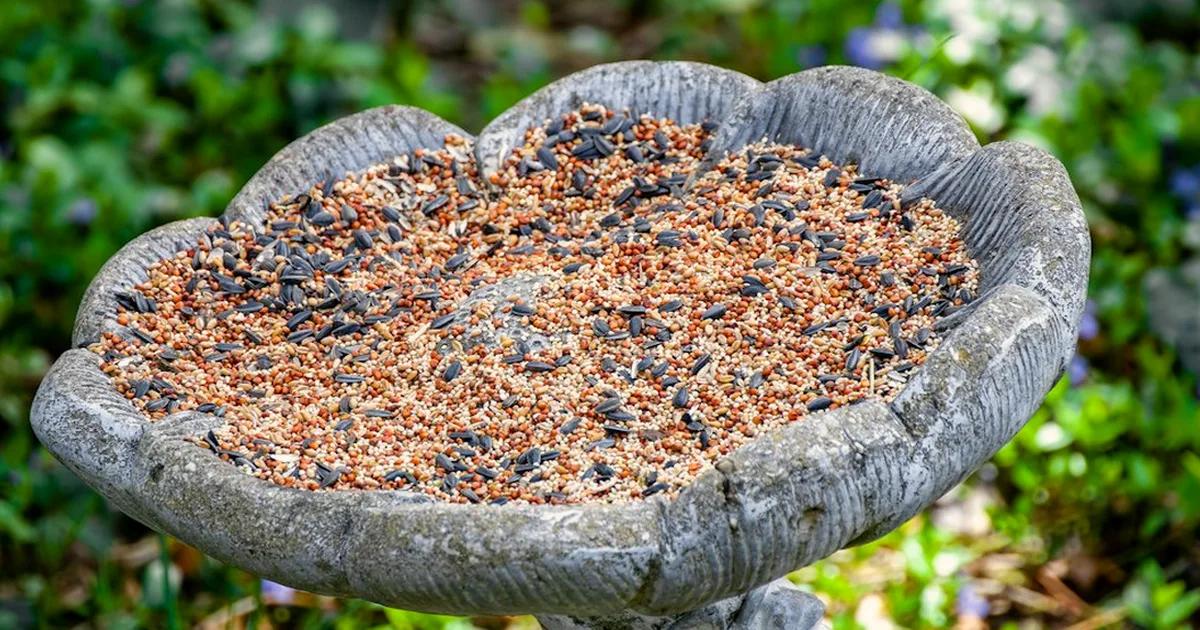
For many households, simply throwing a large quantity of mixed seed across a patio, lawn or border is the least effective version of winter feeding. It can leave food wet and mouldy, concentrate birds in one contaminated area, attract rats and mice, and create a tempting target for neighbourhood cats. November is an excellent month to begin or improve a feeding routine, but the better approach is to match food and feeding method to the birds using your garden.
What changes for garden birds in November?
In late autumn, natural supplies become less predictable. Many berries have been stripped from hedges, seedheads may have been cut back during autumn tidying, and insect activity falls sharply after frosts. Garden birds are not necessarily dependent on feeders, but reliable supplementary food can reduce the time they spend searching for calories.
This matters especially for small species such as blue tits, coal tits, long-tailed tits, wrens and goldcrests. Their small bodies lose heat quickly, and a cold night can be energetically demanding. Finches, sparrows and dunnocks also benefit from accessible seed, while blackbirds, robins and song thrushes are more likely to use food offered at ground level or on a table.
November feeding should therefore be viewed as part of a wider habitat strategy, not as a one-off gesture. A garden that retains ivy, dense evergreen cover, leaf litter in a quiet corner, berry-bearing shrubs and some standing seedheads gives birds shelter and natural food alongside any purchased feed.
Advertisement
The problem with scattering seed indiscriminately
Wet seed can become unsafe
November rain and dew quickly spoil seed on the ground. Damp seed may harbour mould, and uneaten food can be contaminated by droppings. Birds feeding shoulder-to-shoulder on the same patch of ground can also pass infections more easily. Greenfinches and chaffinches are among the species that visit seed feeding areas, so avoiding unhygienic conditions is particularly important.
Scatter only a small amount that birds will clear quickly, ideally on a dry, swept surface or a purpose-made ground feeder tray. Do not repeatedly top up food that has been left untouched or soaked.
Ground food attracts more than birds
Seed beneath feeders is a common source of rodent activity. Rats and mice are part of the UK’s wildlife, but few gardeners want regular rodent feeding close to sheds, compost stores, pet food bowls or the house. Spilled seed may also attract pigeons in numbers that exclude smaller birds.
Using a seed tray, a catcher tray beneath a feeder, or a raised bird table makes waste easier to monitor and remove. If rodents appear, reduce the quantity offered, clear all fallen food at dusk and temporarily stop ground feeding rather than adding more seed.
Cats can exploit predictable feeding spots
A low scattering area beside thick cover may seem sheltered, but it can give cats an effective ambush position. Place feeders and bird tables where birds have a clear view around them, while keeping dense escape cover nearby but not immediately beneath the feeding point. A practical rule is to avoid placing food directly beside a shrub, fence corner or structure from which a cat can pounce.
Choose the right food for the birds you want to support
‘Bird seed’ is not one uniform product. Cheap mixes often contain large amounts of wheat or split maize, which may be rejected by many small garden birds and left to become waste. Read the ingredients rather than relying on the picture on the bag.
Best options for seed feeders
Black sunflower seeds and sunflower hearts are high-energy choices used by many species, including tits, finches and nuthatches. Sunflower hearts are particularly useful in winter because birds do not spend energy removing husks, and they produce less mess below the feeder.
Nyjer seed, supplied in a specialist nyjer feeder, may appeal to goldfinches. Peanuts should only be offered in a robust mesh feeder; loose whole peanuts can pose a choking risk to young birds later in the year, and poor-quality or damp peanuts should never be used.
Food for robins, blackbirds and other ground feeders
Mealworms, soaked sultanas, chopped apple, small amounts of soaked dried fruit and specialist softbill mixes can suit robins, blackbirds, dunnocks and thrushes. Avoid bread as a routine bird food: it fills birds without providing the fat and protein they need in cold weather.
Never put out salted foods, salted peanuts, milk, desiccated coconut, or food that is mouldy, rancid or heavily processed. If you offer kitchen leftovers, they must be plain, fresh and appropriate — but a quality bird-food mix is normally the simpler and safer option.
A safer November feeding plan
Rather than scattering a week’s worth of seed, start with a measured daily routine:
- Use two feeding levels. Put sunflower hearts in a hanging feeder for tits and finches, and provide a small amount of soft food or seed on a raised table or clean ground tray for robins and blackbirds.
- Offer only what is eaten in a day. This limits damp food, waste and rodent interest. Increase gradually only if birds consistently clear the supply.
- Clean feeding equipment weekly. Empty old food, wash feeders and trays with hot soapy water or a bird-safe disinfectant, rinse thoroughly and allow them to dry before refilling. In prolonged wet weather, clean more often.
- Move ground trays periodically. Rotating the position reduces the build-up of droppings in one spot. Do not place a tray where rainwater pools.
- Provide fresh water. Birds need drinking water as well as food. Use a shallow bird bath, refresh it daily and clean it regularly. During frost, break ice gently and use lukewarm water; do not add salt, antifreeze or chemicals.
- Watch what happens. A feeding station should bring varied birds, not an accumulating carpet of husks, droppings and uneaten seed. If sick-looking birds appear, remove feeders temporarily, clean them thoroughly and clear spilled food.
Advertisement
Consistency is more useful than excess
Once birds learn that a garden provides food, abrupt gaps during cold weather can be unhelpful. That does not mean a feeder must be overflowing all day. It means setting an amount you can maintain through frosts, rain and the Christmas period, when household routines often change.
For gardeners who travel or cannot feed daily, habitat improvements are especially valuable: leave seedheads on teasels and ornamental grasses, plant native or wildlife-friendly shrubs, retain some fallen leaves beneath hedges, and avoid over-tidying every border. These measures supply insects, seeds and shelter without concentrating birds around a single feeder.
The strongest lesson behind the November advice is not ‘scatter more seed’. It is to make your garden a cleaner, safer and more dependable winter resource. A modest feeder filled with fresh, suitable food and maintained well will usually help more than a large pile of seed left on wet ground.
FAQ
Should I scatter bird seed on the lawn in November?
You can scatter a very small amount on a dry, clean patch if ground-feeding birds visit, but a ground tray or raised table is usually better. It keeps food drier, lets you remove leftovers and reduces the chance of attracting rodents.
What is the best bird food for UK gardens in winter?
Sunflower hearts are a strong all-round choice for many seed-eating birds. Add suet products designed for birds during cold spells, and offer mealworms or soft fruit in small amounts for robins, blackbirds and thrushes.
How often should bird feeders be cleaned?
Clean feeders and feeding trays at least weekly, and more frequently if they are wet, heavily used or visibly soiled. Remove old food before refilling rather than pouring fresh food on top.
Will feeding birds attract rats?
It can, especially where large amounts of seed are spilled or left overnight. Use feeders with trays, offer smaller portions, sweep up waste and stop ground feeding temporarily if rodent activity increases.
Source: Daily Express — Mon, 26 Oct 2026 12:13:00 GMT

Editorial Team
Our team consists of passionate British birdwatchers and garden wildlife enthusiasts. We provide honest, practical advice on feeding garden birds, choosing the right feeders, and making your outdoor space a haven for UK wildlife — guided by RSPB best practice and real garden experience.
The information on this website is provided for general guidance only. Always follow RSPB and BTO best practice when feeding garden birds. Product recommendations may include affiliate links — see our disclosure policy for details.