A local avian flu alert can be worrying, especially if wild birds, pets or poultry share your garden. Wild-bird-only gardens do not automatically need feeders removed, but poultry and captive birds need stricter separation and biosecurity.
Table of Contents
Advertisement
Decide by the birds you keep, not the headline
Your action depends on whether the garden has wild visitors only, poultry, or captive pet birds.
| Your garden setup | Action today | Feeder decision | Main priority |
|---|---|---|---|
| Wild garden birds only | Check Defra updates and inspect feeding areas. | Usually keep clean, dispersed feeders unless official advice says otherwise. | Dry food, clean surfaces, less crowding. |
| Chickens, ducks or geese | Check AIPZ and housing rules before entering the run. | Remove feeders and water that poultry could reach. | Stop all wild-bird contact with poultry. |
| Indoor budgies or aviary birds | Keep cages and cleaning items separate from the garden. | Feed wild birds only away from bird rooms and aviaries. | Avoid carrying contamination indoors. |
Wild birds only: when feeders can stay
If you keep wild birds only, feeders can usually stay if they are clean, dry, dispersed and not subject to a local official instruction.
Poultry and captive birds need stricter rules
Poultry keepers have a different duty because domestic birds can be exposed to wild-bird droppings and shared water. An Avian Influenza Prevention Zone (AIPZ) can require covered feed, restricted access and disinfecting footwear. Keep hens' food and drink covered, repair gaps that allow wild birds into the run, and use separate boots for the poultry area. Keep budgies indoors or in a fully protected aviary, and never carry outdoor feeder equipment or muddy shoes into their room.
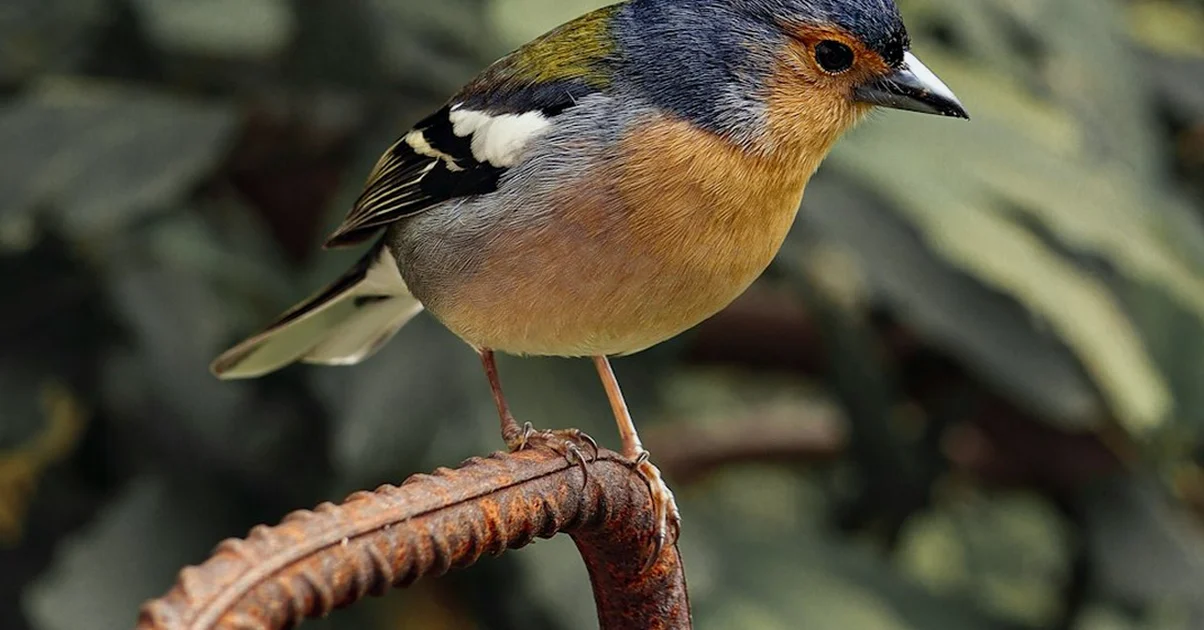
Wild-bird feeders: clean, dry and spread out
Clean, dry food and less crowding are usually more useful than an automatic feeder ban.
Wild bird feeder hygiene means removing damp food, washing all surfaces and allowing every part to dry before refilling. Inspect food daily, wash feeders at least weekly, and clean them immediately after visible droppings, rain-soaked food or unusual illness. During busy autumn and winter periods, water dishes may need cleaning every one to two days.
A proper feeder-cleaning routine
Take the feeder apart outdoors, away from kitchen sinks, pet bowls, poultry housing and rooms used for budgie care. Empty all seed, use hot soapy water and a dedicated brush for ports, trays and joins, then use a bird-safe disinfectant only as its label directs. Rinse if required, air-dry fully and wash hands with soap and water when finished.
Food and water that must be discarded
Discard wet seed, mouldy suet, food covered with droppings and old scraps; never refill over contaminated food.
A dedicated feeder disinfectant and brush help keep garden-cleaning tools away from food areas and captive birds. Choose a product with clear dilution and rinse instructions.
- Keeps feeder brushes separate from kitchen and pet-cleaning equipment
- Helps clean narrow seed ports where damp husks collect
- Supports a weekly routine after rain, droppings or heavy bird traffic
Use a simple pause-and-restart rule for garden bird feeding advice. Keep feeders in place when birds appear well, food remains dry and the feeding area can be cleaned without attracting a dense flock. Temporarily remove food and water dishes if you see several sick or dead birds, repeated fresh droppings on feeding surfaces, spoiled food after prolonged rain, or an official local instruction to stop feeding. Clean bird feeders, trays and nearby hard surfaces, discard all remaining food, and keep pets away while you check the relevant official advice.
Once there is no official restriction and the area has been cleaned and dried, restart with small amounts of dry bird food at separated feeding points rather than filling one busy station.
Advertisement
Sick or dead birds: keep pets away and report
A sick or dead bird needs a hands-off response rather than feeder cleaning alone.
Do not touch a sick or dead wild bird, even with a bag or garden glove. Keep children, cats and dogs away, note what you can from a distance, and follow current reporting guidance for England. Record the date, exact place, bird type if safely identifiable and number affected. Birds of prey, gulls, swans, geese and ducks may be especially relevant to surveillance, and reporting thresholds can change.
Signs and details worth recording
Watch from a safe distance for poor coordination, a drooping head, swollen face, breathing difficulty or several dead birds together.
Dogs, cats and home bird care
Keep pets away from the bird and feeder area; if a dog has mouthed, retrieved or eaten part of a bird, call your vet promptly.
Reporting arrangements are not identical across the UK, so use the official animal-health service for the nation where the bird is found rather than relying on a social-media alert or a general UK map. In England, suspected cases are handled through APHA and GOV.UK guidance; Scotland, Wales and Northern Ireland publish their own current reporting routes through the Scottish Government, Welsh Government and DAERA. From a distance, note the postcode or precise location, date, number of birds and obvious species group, such as gulls, waterfowl or birds of prey.
Do not transport the bird to a rescue centre or veterinary practice unless that organisation has specifically told you to do so. If a pet has contacted the bird, speak to your vet separately while following the relevant national reporting advice.
Your questions answered
Should I take down bird feeders because of bird flu?
No, not automatically, if your garden has wild birds only and no local official instruction says otherwise. Clean feeders weekly, discard wet food and spread feeding across two or three points.
Can humans catch bird flu from garden birds?
The public-health risk is considered low, but do not touch sick or dead birds or their droppings. Wash hands after feeder cleaning and seek health advice after a relevant exposure.
How often should I clean a bird feeder during an avian flu alert?
Clean feeders at least weekly and immediately after droppings, spoiled food or heavy rain. Check water daily and replace it if cloudy.
What should I do if I find a dead bird in my garden?
Keep pets and children away, do not touch it, and check current APHA reporting guidance for England. Note the location, date, species if known and number of birds.
Are eggs from healthy backyard hens safe to eat?
Eggs from healthy hens remain safe to eat, but follow current poultry biosecurity rules. Cook eggs thoroughly if concerned, keep shells and hands clean, and never ignore a legal AIPZ or housing order.
Do I need to keep my budgie away from the window?
A budgie can stay by a closed window, but its cage must not share air, equipment or cleaning tools with outdoor birds. Keep outdoor shoes and feeder buckets out of the bird room.
Where can I find the current avian flu map UK?
Use the relevant national government avian influenza page on the day you check, because zones can change. For England, start with GOV.UK for APHA restrictions, maps and reporting instructions.
For a low-risk routine, keep a cleaning kit by the outdoor tap and check official updates before changing feeding practices. See our guides on cleaning bird feeders, backyard chicken biosecurity and budgie care.
Check live national rules before you act
Check official advice on the day you act, because rules differ between England, Scotland, Wales and Northern Ireland.
For England, use GOV.UK avian influenza updates for Defra notices, current zones and APHA requirements. For other nations, check Scottish Government avian influenza guidance, Welsh Government guidance, or DAERA guidance for Northern Ireland. This page was reviewed on 14 September 2026, but current notices take priority.
- Wild-bird-only gardens usually need cleaner, less crowded feeding rather than an automatic feeder ban.
- Hens, ducks and captive birds need separation from wild birds, their droppings, feed and water.
- Wet or contaminated food belongs in the bin, followed by washing and full drying of feeders.
- Never touch a sick or dead wild bird, and keep dogs, cats and children away.
- Check Defra, APHA or your own nation's official page before acting on a bird flu alert.
AIPZ rules and any Avian Influenza Housing Order are legal requirements, not simply extra avian flu precautions. Read the live declaration for your postcode before moving poultry, accepting visitors, selling or giving away birds, or changing access to an outdoor run, because control zones can impose additional movement and record-keeping conditions. Poultry biosecurity normally means limiting unnecessary visitors, using dedicated boots and clothing, cleaning and disinfecting equipment before it enters or leaves the bird area, and keeping covered poultry feed and drinking water inaccessible to wild birds.
If the notice requires birds to be housed, covered netting alone may not meet the condition; follow the wording of the current order and any APHA restrictions exactly.
Advertisement
Learn more
Here are some additional resources on this subject:
- Bird flu (avian influenza): latest situation in England — gov.uk
- Avian Flu / Bird Flu Updates — rspb.org.uk
- Avian Influenza — bva.co.uk

Editorial Team
Our team consists of passionate British birdwatchers and garden wildlife enthusiasts. We provide honest, practical advice on feeding garden birds, choosing the right feeders, and making your outdoor space a haven for UK wildlife — guided by RSPB best practice and real garden experience.
The information on this website is provided for general guidance only. Always follow RSPB and BTO best practice when feeding garden birds. Product recommendations may include affiliate links — see our disclosure policy for details.