A budgie sitting fluffed up and quietly may be cold, resting or moulting, but it can also be conserving energy because it is unwell. If this posture comes with reduced appetite, changed droppings, sleepiness, tail bobbing or altered breathing, treat it as a health concern.
Table of Contents
Advertisement
Is my budgie ill? Use three-level triage
Use the whole picture, not one symptom: emergency signs need a vet now, while persistent fluffing, quietness, or reduced eating needs an avian vet the same day.
Budgerigars are prey birds and may hide illness until their energy reserves are low. Waiting for a bird to look obviously ill is risky, because persistent fluffing and unusual quietness are not a safe “keep watching” combination.
Emergency signs: go to a vet now
Seek emergency care for open-mouth breathing, collapse, inability to perch, severe tail bobbing, seizures, active bleeding, sudden weakness after fumes, or suspected egg binding. Tail bobbing means the tail pumps with each breath; a hen that strains, sits on the cage floor, has a swollen lower belly, or passes very little droppings may have an egg stuck inside her.
Vet today or monitor closely?
The table below helps you choose a safe first action, but it cannot diagnose an illness because the same sign can have several causes.
| What you notice | Possible context | Check now | Urgency | Safe action |
|---|---|---|---|---|
| Open-mouth breathing, collapse, blue-grey skin | Respiratory crisis, toxin, injury | Can it perch and breathe at rest? | Emergency now | Warm, quiet carrier and emergency vet |
| Fluffed up, quiet, eating less | Infection, pain, digestive or chronic disease | Weight, droppings, breathing effort | Avian vet today | Quiet warmth, food and water nearby |
| New droppings after greens, but bright and eating | Diet change or brief stress | Return to normal within 12 to 24 hours? | Monitor and book if persistent | Photo, weigh, keep diet steady |
| Crusty cere or beak, scratching | Scaly face mite or skin problem | Honeycomb-like crusting and spread | Book promptly | Isolate if other birds are present |
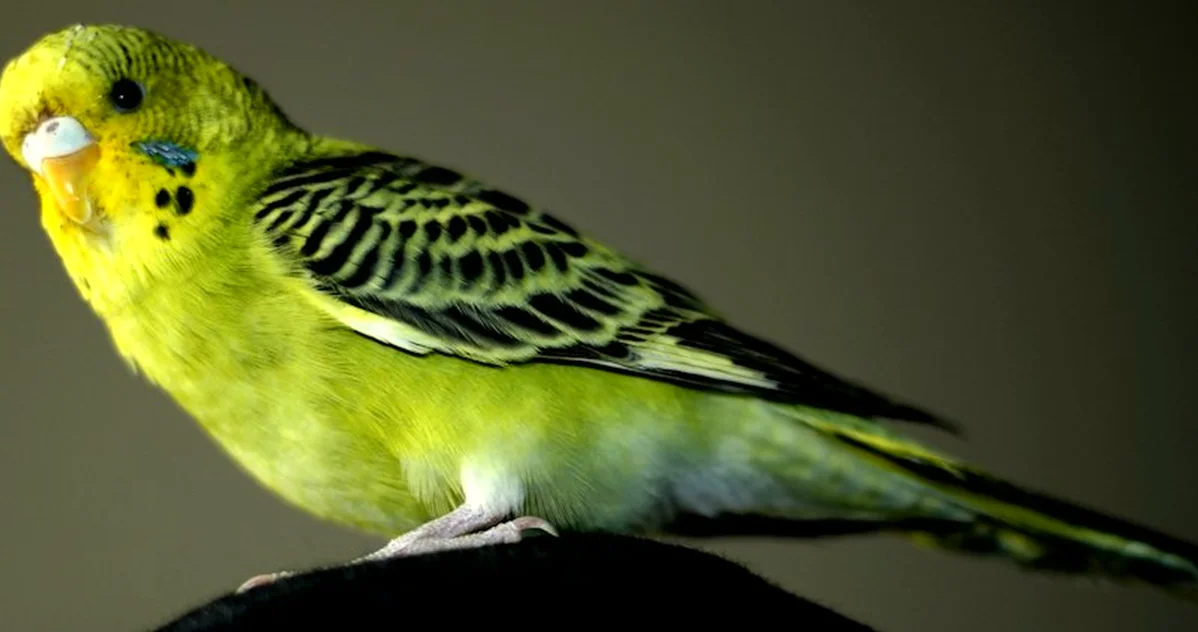
Why fluffed feathers can mean illness
A budgie that remains fluffed up and unusually quiet may be conserving heat and energy because it is ill, whereas brief fluffing during rest is normal if it stops when the bird wakes, eats, preens, and responds normally.
Droppings are clues, not diagnoses
Droppings contain dark faeces, white urates, and clear urine. Vegetables may increase the clear part, while reduced eating can make faeces smaller and darker. Photograph fresh droppings on white paper for the vet, but do not diagnose psittacosis, coccidiosis, or megabacteriosis from appearance alone. Megabacteriosis involves Macrorhabdus ornithogaster and requires veterinary testing.
Causes a vet needs to separate
Infectious causes include psittacosis, respiratory infection, air sac mite, giardiasis, trichomoniasis, polyomavirus, and French moult. Similar signs can also result from a seed-only diet, vitamin A or calcium deficiency, obesity, fatty liver disease, crop stasis, sour crop, scaly face mite, red mite, stress, or feather damage. A vet may need an examination, swab, droppings test, blood test, or imaging to separate these conditions safely.
Common illnesses can overlap, so a pattern is more useful than trying to name a disease at home. Respiratory distress or other budgie breathing problems may involve tail bobbing, a stretched neck, clicks, wheezes or reduced stamina, while digestive disease may cause regurgitation, crop changes, budgie appetite loss, weight loss or altered droppings. Nutritional problems can develop gradually on an unbalanced diet and may contribute to poor feather quality, obesity or weak bones.
In hens, egg binding in budgies is an emergency, whereas a slowly enlarging lump, persistent lameness or ongoing weight loss can point to a chronic condition, including a tumour. These budgie illness symptoms and other sick budgie signs need avian veterinary assessment rather than home remedies.
Advertisement
Support a sick budgie while calling a vet
Provide supportive care rather than a home treatment: place the bird somewhere quiet, draft-free, and comfortably warm, with familiar food and clean water within easy reach.
Food, water and calm handling
Keep one side of the cage gently warmer and leave a cooler area so the bird can move away if needed. Put its usual seed, pellets, and water near a favourite low perch, but do not introduce unfamiliar foods during illness. Do not force-feed or syringe water unless an avian vet has shown you how, because a small bird can inhale food or liquid into its airway.
Do not give human painkillers, antibiotics, anti-diarrhoea medicines, essential oils, herbal drops, or mite products not prescribed for that bird. Do not massage a swollen crop, attempt to remove an egg, or treat breathing problems with steam, as these actions can worsen the problem or delay proper treatment.
A small bird first-aid kit should include a travel carrier, clean gauze and a gram scale, not treatments for illness without veterinary advice. Keep it ready before a problem occurs.
- Stores clean gauze and a spare towel for safe transport to the veterinary practice
- Helps keep weighing and observation items together away from kitchen equipment
- Reduces last-minute handling when a sick budgie needs a quiet carrier
Record weight, breathing and droppings daily
A daily health log makes decline visible: weigh your budgie in grams at the same time each day, record food and water intake, photograph fresh droppings, and note breathing effort.
Build a two-minute health log
A single low reading may reflect an emptied crop, a different weighing time, or a restless bird, but a falling trend over two or three days is concerning. Use a gram scale with a stable perch or container, preferably before the main morning meal, and record whether food hulls, water use, posture, or time spent on the cage floor have changed.
Same time, grams
Breathing and posture
Fresh droppings
Worsening trend, vet today
Breathing changes worth recording
Watch the bird while resting rather than after catching it. Note tail movement with each breath, clicking, open-mouth breathing, or a stretched neck, and take a short video only if it does not disturb the bird. A downward weight trend with weaker appetite needs a vet today even if droppings appear normal.
Isolate an unwell budgie from other birds
Separate a possibly infectious bird immediately, using its own bowls and cleaning items, ideally in another room, because quarantine reduces spread through contact, dust, droppings, and shared equipment.
Protect people and garden birds
Care for healthy birds first and the isolated bird last, washing hands between cages and changing soiled clothing. Psittacosis can affect people, so tell the vet if anyone has flu-like symptoms and seek medical advice from NHS 111 or a GP when appropriate. Keep cage trays, bowls, food, and cleaning cloths away from garden bird feeders and nesting boxes.
Reduce repeat problems at home
Provide fresh water, washed bowls, good ventilation without draughts, and a balanced diet. Avoid smoke, sprays, scented candles, and overheated non-stick pans near birds; a cage away from a busy kitchen is safer than one beside a warm but fume-prone cooker.
Prevention works best as a routine rather than a response to a crisis. Arrange a budgerigar health check with an avian veterinary care provider for a new bird and discuss an appropriate follow-up schedule, particularly for older birds, breeding hens or birds with previous illness. Keep the diet consistent and balanced, making any move from a seed-heavy diet gradual so the bird continues eating. A basic pet bird first aid plan should include a safe travel carrier, gram scale, veterinary contact details and knowledge of nearby emergency services, not unprescribed medicines.
Reduce budgie toxin exposure by keeping birds away from cooking fumes, smoke, aerosol sprays, scented products and cleaning chemicals, and ventilate rooms before returning the bird.
Advertisement
Common questions
Can a sick budgie recover on its own?
A budgie with persistent symptoms should see an avian vet even if it briefly seems brighter. Mild stress changes may settle within 12 to 24 hours, but reduced appetite, fluffing, or breathing effort need assessment.
What does an ill budgie look like?
An ill budgie may stay fluffed up, sleep in daytime, eat less, lose weight, tail-bob, or sit low. Two or more changes together justify calling a vet the same day.
Why is my budgie fluffed up but still eating?
A fluffed-up budgie can still be ill while eating some food. Birds may keep nibbling until late in illness, so weigh it and contact a vet today if the posture remains unusual.
Can budgie diseases spread to humans?
Psittacosis can spread through dried droppings or respiratory dust. Ask the vet about testing if it is suspected, and tell a GP or NHS 111 about bird exposure and flu-like symptoms.
How do I treat a sick budgie at home?
Home care should provide quiet warmth, familiar food, clean water, and safe transport to veterinary care. Never give medicines, essential oils, or force-fed food unless an avian vet directs it.
Act early and give your vet clear facts
Call an avian vet today for persistent quietness, fluffing, reduced eating, weight loss, or changed breathing. Go to emergency care now for collapse, open-mouth breathing, severe tail bobbing, toxin exposure, bleeding, seizures, or suspected egg binding.
- Persistent fluffing plus quiet behaviour is a triage sign, not proof that a budgie is simply cold.
- Emergency breathing signs, collapse and suspected toxins need veterinary help now.
- Supportive care keeps a bird comfortable but does not cure infection, pain or crop disease.
- Daily gram weights, droppings photos and breathing notes show trends a vet can act on.
- Separate an unwell bird from other pet birds until veterinary advice says otherwise.
Learn more
Here are some additional resources on this subject:
- Budgie Health Problems UK: 12 Diseases That Kill — britexotics.co.uk
- Budgie Diseases | Health Problems — omlet.co.uk
- Common Illnesses in Budgies: Signs and Treatments Guide — pets4homes.co.uk

Editorial Team
Our team consists of passionate British birdwatchers and garden wildlife enthusiasts. We provide honest, practical advice on feeding garden birds, choosing the right feeders, and making your outdoor space a haven for UK wildlife — guided by RSPB best practice and real garden experience.
The information on this website is provided for general guidance only. Always follow RSPB and BTO best practice when feeding garden birds. Product recommendations may include affiliate links — see our disclosure policy for details.