A healthy budgie diet and safe-food routine starts with a measured, nutritionally complete staple food, alongside regular leafy greens and vegetables; offer fruit only in small amounts. Wash fresh foods, serve them plain, and remove leftovers after 2–4 hours. Never give avocado, chocolate, caffeine, alcohol or salty human foods.
Table of Contents
Advertisement
Safe budgie foods, portions and prep
Food safety is mostly about the small details.
| Group | Examples | Portion and frequency | Preparation |
|---|---|---|---|
| Safe most days | Broccoli, carrot, pepper, peas, courgette, cucumber, kale | 1 to 2 teaspoons daily | Wash, chop, serve plain |
| Safe sometimes | Seedless apple, berries, melon, banana, plain rice, plain pasta | A few small pieces, 1 to 2 times weekly | Remove apple seeds; cool cooked food |
| Never offer | Avocado, chocolate, tea, coffee, alcohol, onions, garlic | None | Keep out of reach |
Foods to offer most days
Fresh food must be plain. Wash it under running water, remove stones, pits and seeds, and never add oil, butter, salt, stock, sugar or sauce.
Foods for occasional treats
Fruit is safe in small amounts, but it should not become the daily main event. A few pieces of seedless apple or berries once or twice a week is enough for most budgies.
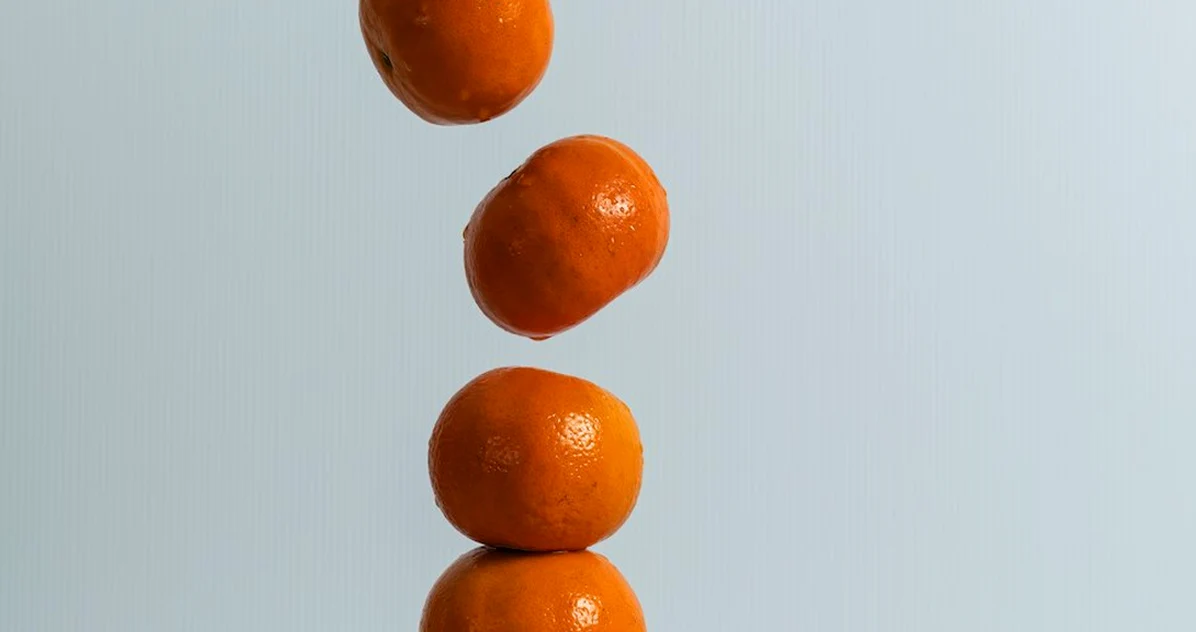
Toxic foods and unsafe budgie drinks
Some kitchen foods are dangerous even in small amounts.
Avocado can cause serious toxicity in birds. Chocolate contains theobromine and caffeine, while coffee, tea, cola and energy drinks add caffeine that a budgie's small body cannot handle safely. Alcohol is never safe.
Food hazards that look harmless
Onion and garlic are also unsuitable, whether raw, cooked or hidden in a sauce. Salty crisps, gravy, takeaways and seasoned leftovers create a different risk: a tiny bird can receive a very high salt dose from what looks like one harmless nibble.
Water is the only routine drink
Clean drinking water is the only drink a budgie needs every day. Change it daily, wash the drinker, and refill it with fresh water.
Advertisement
Why a seed mix is not balanced
A colourful bowl can be misleading.
A frequent error is calling a seed mix balanced because fruit and vegetables sit beside it. Budgies often hull and select favourite seeds, especially fatty sunflower pieces, while leaving less appealing ingredients behind. It is like serving a mixed buffet but eating only the chips.
The selective-seed problem
Measure the staple food instead of keeping a seed bowl permanently full. A bird that has access to endless seed can graze selectively all day, making it hard to spot a rising weight or a poor nutrient balance.
Pellets need a careful change
Comparing major pet-care and avian-veterinary guidance, the repeated advice is to change a seed-fed bird gradually while checking that it is genuinely eating. Start by offering pellets beside the usual measured seed ration, reduce seed slowly over several weeks, and weigh the bird on gram scales at the same time of day.
A measured seed mix can be useful during a gradual food change, especially for a budgie that still recognises no other staple. Choose a mix with clear ingredients and measure each day's amount rather than topping up blindly.
- Helps keep the familiar seed ration consistent during pellet conversion
- Makes discarded husks and uneaten food easier to check each morning
- Allows small, controlled servings instead of an always-full seed bowl
Sprouted seeds can add variety, but they are not a substitute for a balanced staple because sprouting does not make an unbalanced seed mix nutritionally complete. Use only fresh, good-quality seeds with a clear ingredient list, no musty smell, visible mould or insect damage. Rinse them thoroughly, soak and sprout them in a clean container, then rinse again before offering a very small amount. Because sprouts are moist, they spoil faster than dry seed: remove them within one to two hours and discard any batch that smells sour or feels slimy.
When using seed mix, limit oily ingredients and watch for selective seed eating rather than assuming every ingredient has been eaten.
For a safer pellet conversion, begin by weighing the budgie and recording its usual appetite for several days. Offer pellets in a separate dish beside the familiar measured seed ration, preferably at the time the bird is most interested in food, and keep the change calm and predictable. Once you have seen the budgie eat pellets repeatedly, reduce the seed ration only a little, then hold that level for several days while checking weight, droppings and normal behaviour.
Continue in small stages over several weeks; never remove the familiar food abruptly or rely on an untouched pellet dish as proof of eating. A temporary return to the previous successful step is safer than allowing a bird to lose interest in food.
Make fresh food part of a safe routine
Preparation prevents most avoidable trouble.
Offer vegetables in a clean shallow dish, clipped to the cage bars, or scattered in a clean foraging tray. Remove uneaten fresh food after 2 to 4 hours, then wash the dish before the next serving. Leaving damp carrot or fruit overnight is like leaving a packed lunch on a warm radiator.
Watch the bird, not the label
Droppings, appetite and weight tell you whether a change is working. A healthy-looking packet cannot prove that a particular bird has eaten it.
A healthy budgie diet should be assessed by the individual bird, not only by the list of safe foods for budgies. Weigh your budgie at least weekly on gram scales, ideally before breakfast, and keep a simple record of weight, appetite and droppings. Note whether budgie vegetables, fruit for budgies or safe budgie treats are being eaten instead of the staple food, and keep fresh food hygiene and budgie drinking water consistent so changes are easier to interpret.
Contact an avian vet promptly if the bird stops eating, seems fluffed up or unusually quiet, vomits, has persistently watery or markedly changed droppings, or shows a clear downward weight trend. These signs can matter even when toxic foods for budgies and other foods to avoid for budgies have not been offered.
A practical feeding plan for one budgie
Keep the routine simple enough to repeat.
Build variety slowly
Introduce one unfamiliar vegetable beside a familiar one for several days. Some budgies need repeated quiet exposure before they investigate a new food, especially if they have eaten seed for years.
Do not starve a bird into trying vegetables or pellets. A diet plan only works if the bird keeps eating enough throughout the change.
A sick, underweight or obese bird needs an individual plan. The same is true for birds with liver or kidney disease, birds breeding, laying eggs, or taking medication.
Advertisement
Common questions
Can budgies eat cucumber?
Budgies can eat washed, plain cucumber in small pieces. It is safe but low in nutrients, so serve it alongside darker vegetables such as broccoli, carrot or kale.
Can budgies eat bread?
Budgies can usually eat a tiny plain crumb, but bread should not be a regular food. It offers little useful nutrition and flavoured, salted or buttered bread is unsuitable.
Can budgies eat rice and pasta?
Budgies can eat tiny portions of plain cooked rice or pasta once or twice weekly. Cool it first and never add salt, oil, butter, sauce, onion or garlic.
What can budgies drink besides water?
Budgies need clean drinking water, and no other routine drink is required. Milk, juice, tea, coffee, plant drinks and fizzy drinks should not be offered.
How quickly can I switch my budgie to pellets?
Most seed-fed budgies need a gradual change over several weeks, not a few days. Keep familiar food available at first and monitor weight, appetite and droppings throughout.
How long can fresh vegetables stay in a budgie's cage?
Fresh vegetables should be removed after 2 to 4 hours. Use the shorter period in a warm room or if food becomes wet with drinking water or droppings.
- Measure the staple food because a mixed seed bowl does not prove balanced eating.
- Offer washed, plain vegetables daily and fruit only in small occasional portions.
- Use fresh water only, and remove damp fresh food within 2 to 4 hours.
- Change from seeds to pellets slowly, with a gram-scale weight check and avian-vet support if intake falls.
Further reading
If you want to learn more about this topic, these sources may interest you:
- Budgie Food List — omlet.co.uk
- Budgie Feeding Guide — northernparrots.com

Editorial Team
Our team consists of passionate British birdwatchers and garden wildlife enthusiasts. We provide honest, practical advice on feeding garden birds, choosing the right feeders, and making your outdoor space a haven for UK wildlife — guided by RSPB best practice and real garden experience.
The information on this website is provided for general guidance only. Always follow RSPB and BTO best practice when feeding garden birds. Product recommendations may include affiliate links — see our disclosure policy for details.