The right owl box depends on species, hunting habitat and siting; an occupied Barn Owl box is legally protected in England.
Table of Contents
Advertisement
Will an owl box work on your English property?
A box is realistic only where an owl can hunt within its normal range: Barn Owls need open vole habitat, Tawny Owls mature trees, and Little Owls sheltered lowland farmland.
Check the hunting ground first
Look beyond the boundary. A promising Barn Owl site has several connected strips of rough grass, pasture, ditch banks or field edges within roughly 1 to 3 km, with quiet flight routes between them. Closely mown lawns, busy roads and intensively cropped fields offer far less cover for voles.
Match the species before the box
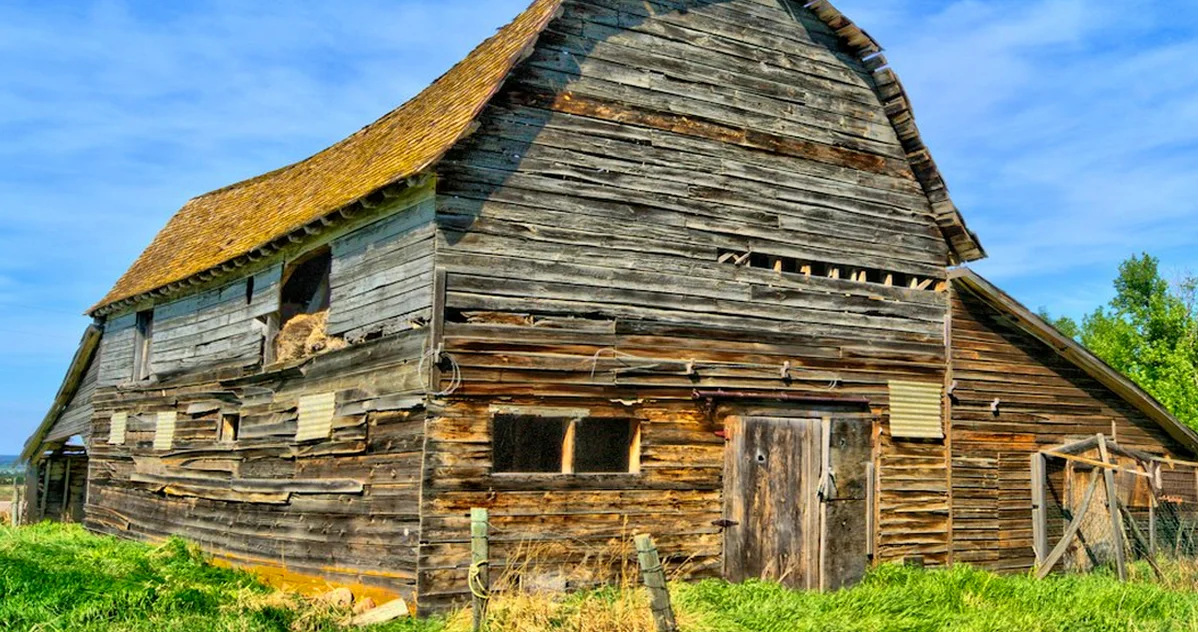
Building, tree or pole: choose the right site
A dry building usually suits Barn Owls, a mature tree Tawny Owls, and a pole is a last resort where neither is available.
| Location | Best target | Typical England cost | Weather and stability | Access and predator risk |
|---|---|---|---|---|
| Building box | Barn Owl | £150 to £350 | Dry, stable and sheltered if the roof is sound | Best access from a safe loft; low climbing risk |
| Tree box | Tawny Owl | £90 to £180 | Avoid swaying, exposed limbs and south-facing heat | Harder to inspect; squirrels can be a problem |
| Pole box | Barn Owl on open land | £300 to £700 fitted | Needs a rigid pole, bracing and a waterproof roof | Planned ladder access; fit a predator guard |
Choose a dry building for Barn Owls
Where a suitable building is available, it provides the dry, stable and sheltered conditions Barn Owls need, while allowing safer access from a loft.
Use trees and poles with care
For Tawny Owls, choose a sheltered mature tree rather than an exposed or swaying limb. Use a pole only where it can be rigidly fixed, braced and fitted with a predator guard.
Commercial boxes vary greatly in internal depth, roof protection and entrance shape. Compare those details with the target species before choosing a ready-made box.
- A deeper Barn Owl chamber gives chicks room to move away from the entrance.
- Untreated timber and a sloping roof help reduce damp inside the nesting space.
- A species-sized entrance makes accidental Jackdaw use less likely.
Advertisement
Box sizes, legal care and mistakes to avoid
Use different designs for each species, and treat an occupied Barn Owl box as a protected nest site: Schedule 1 protection makes disturbance an offence.
| Species | Indicative internal space | Entrance | Material and siting |
|---|---|---|---|
| Barn Owl | About 1,000 x 500 x 500 mm | Open front or roughly 130 mm square access | Untreated timber, drainage, dry building preferred |
| Tawny Owl | About 300 x 300 mm floor, 600 mm deep | About 150 mm round or oval | Thick timber, sheltered mature tree or building |
| Little Owl | About 250 x 250 mm floor, 400 mm deep | About 70 mm, often with a tunnel | Untreated timber, low sheltered farmland edge |
Stop damp, heat and Jackdaw use
Use untreated timber, drainage and a sloping roof to reduce damp. Avoid exposed positions and prolonged direct southern sun, and match the entrance size to the species to make Jackdaw use less likely.
Follow the law when a box is occupied
The Wildlife and Countryside Act 1981 protects all active wild bird nests, with added protection for Schedule 1 birds such as Barn Owls. Close photography, opening the lid, ringing, handling chicks or routine nest box monitoring can cause unlawful disturbance without the right knowledge and, where required, a licence from Natural England.
Common questions
Do owl nesting boxes work?
Owl nesting boxes work where the target owl has prey, a safe territory and a correctly placed box. Expect a wait of one to three years, and accept that some suitable boxes remain unused.
What time of year should I put up an owl box?
Put an owl box up in late summer or autumn, well before the next breeding season. This gives birds months to find it without disturbance during nesting.
Which way should an owl box face?
Face an owl box away from the harshest rain and wind, while avoiding long periods of direct southern sun. A sheltered east or north-east aspect often works, but the building or tree’s local cover matters more than a compass rule.
How high should a Barn Owl box be?
A Barn Owl box is often placed between 3 and 5 metres high in a safe, dry building. Height alone does not make a site suitable if nearby grassland lacks voles.
Can I check a Barn Owl box after birds move in?
Do not open or closely inspect a Barn Owl box once occupation is suspected. Barn Owls are Schedule 1 birds, and disturbance at a nest may require a licence.
- Choose the likely owl from the surrounding habitat, not from the box style.
- Use a dry building for Barn Owls where possible, a mature tree for Tawny Owls, and poles only when properly secured.
- Match internal dimensions and entrance size to the species, or other birds may take the box.
- Leave suspected Barn Owl nests undisturbed and seek advice before any inspection.
Related sources
These articles can help you explore the topic in more depth:
- Owl Nest Boxes — nestbox.co.uk
- Barn Owl boxes for trees — barnowltrust.org.uk
- Owl Nest Boxes – Barn & Tawny Owl Boxes for Gardens — birdfood.co.uk
- Owl & Wild Bird Boxes — flytesofancy.co.uk

Editorial Team
Our team consists of passionate British birdwatchers and garden wildlife enthusiasts. We provide honest, practical advice on feeding garden birds, choosing the right feeders, and making your outdoor space a haven for UK wildlife — guided by RSPB best practice and real garden experience.
The information on this website is provided for general guidance only. Always follow RSPB and BTO best practice when feeding garden birds. Product recommendations may include affiliate links — see our disclosure policy for details.