Suet balls can be an excellent energy food for UK garden birds, particularly in cold weather and during breeding season. Always remove the plastic mesh net before putting them out: it can trap feet, beaks and tongues, while loose nets may also attract rats and other pests.
Table of Contents
Advertisement
Which birds use suet balls and feeders?
Suet suits birds that can cling, peck or take crumbs, but the feeder determines which species get a share.
Match the feeder to the visiting birds
Small tits can use a guarded cage with narrow gaps, which limits access for larger starlings. Starlings and woodpeckers are better served by an open cage or suet log. Robins rarely cling for long, so offer a few crumbled pieces on a clean, sheltered tray.
| Bird | Best food form | Feeder | Useful season |
|---|---|---|---|
| Blue and great tits | Seed or insect ball | Guarded cage | Autumn to spring |
| Robins | Crumbled soft pieces | Sheltered tray | All year, in small amounts |
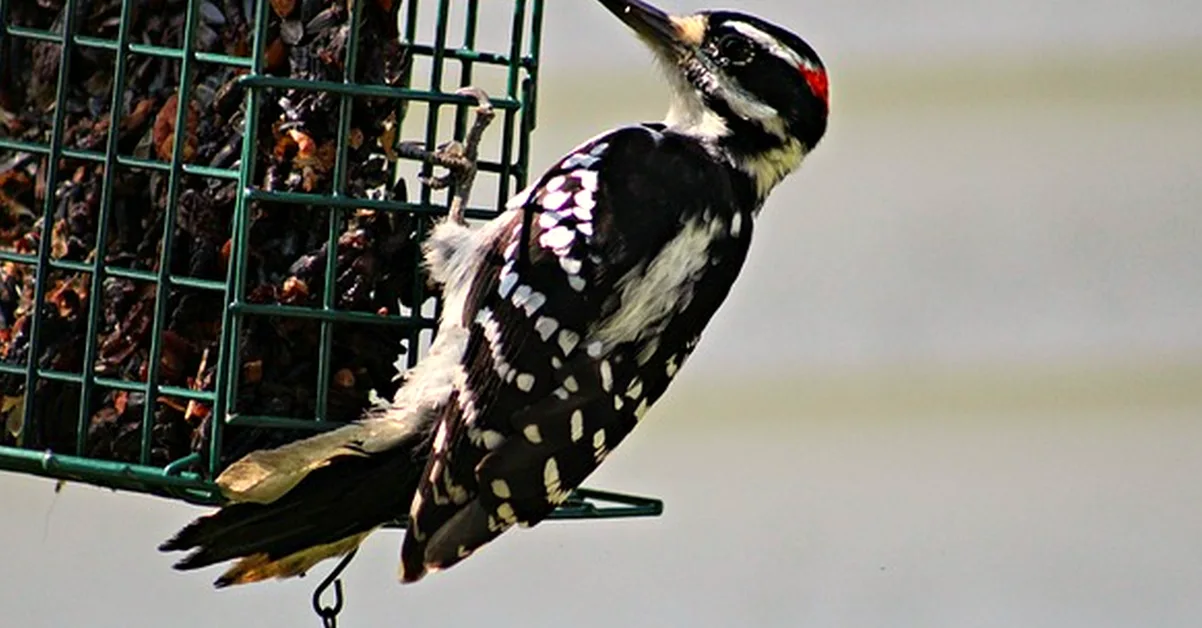
| Starlings and woodpeckers | Plain or insect ball | Open cage or log | Autumn and winter |
Use fat as extra food, not all food
Buy no-net balls with clear ingredients
Choose firm no-net balls with animal fat listed first and clearly named seeds, nuts or insects.
Remove every plastic mesh net
Plastic nets can snag feet, claws, beaks and tongues, particularly once a greasy ball becomes small. The error most often found here is hanging the original net from a branch because it seems convenient. Use a wire feeder instead, and recycle or bin the net straight away.
Avoid cheap fillers and unclear oils
When choosing fat balls for birds, look beyond the number of balls in the bag. A useful label names the fat source and lists the main seeds, nuts or insects rather than relying on vague terms such as “oils and fats”. Where percentages are shown, compare like with like: a transparent recipe tells you how much is fat and how much is seed or cereal.
Avoid products containing salt, added sugar, artificial colourings or unidentified fillers. Sunflower hearts, chopped peanuts and insects can add variety, but a firm ball with a short, clearly named ingredient list is usually the more dependable choice for garden bird feeding.
Pack size and format affect freshness as much as headline price. Small packs of no-net suet balls are sensible for a new feeding station or during summer feeding, when only one or two balls should be offered at once. Larger bags can reduce the price per ball, but only represent value if they can be stored cool, dry and sealed against moisture and pests.
Insect-enriched balls may suit tits, robins and insect-eating visitors, while plain seed balls are often readily accepted by starlings. Choose a size that your birds will finish while the food remains firm, dry and fresh.

Keep balls fresh through heat and rain
Offer only enough food to stay clean and firm between regular checks, removing spoiled balls immediately.
Store bulk bags like dry food
Clean feeders and stop rat food
Wash the feeder with hot water and bird-safe disinfectant, rinse it, then let it dry fully before refilling. Remove fallen fragments daily and move the feeder spot occasionally. Wet food, faeces and crowding raise the risk of salmonella, a bacterial infection that can spread among garden birds.
Homemade or bought balls: choose by season
Bought no-net balls are simplest, while homemade mixes need chilled storage.
Compare cost, storage and waste
| Option | Approx. Cost per 50 g | Storage | Best for |
|---|---|---|---|
| Budget bought ball | 12p to 18p | Cool, dry box | Cold spells, quick use |
| Named-ingredient ball | 20p to 35p | Cool, dry box | Regular no-net feeding |
| Homemade plain-suet mix | 15p to 30p | Fridge, 3 to 5 days | Small batches |
Put the feeder where birds stay safe
Place the feeder away from nesting boxes and clear of cat launch points. Feeders close to a nest can draw predators and leave droppings near chicks. Natural England guidance and the Wildlife and Countryside Act 1981 protect wild birds and active nests, so never disturb an occupied nest to move a feeder.
A no-net fat ball feeder makes it easier to offer small portions cleanly. Choose a metal cage with a simple lid so wet food and old crumbs are easy to remove.
- Keeps bare balls secure without trapping feet or beaks in plastic mesh
- Lets you limit portions to one or two balls during warm weather
- Allows quick cleaning after rain, droppings or fallen food
A simple homemade batch can be made with 250 g of plain rendered suet or bird-safe lard and about 500 g of dry seed, oats and dried mealworms. Melt the fat gently, stir in the dry ingredients until coated, then press the mixture into small moulds and chill until firm. Do not use salty meat drippings, butter, seasoned cooking fat or leftover roast fat. To calculate the cost per portion, divide the total ingredient cost by the finished weight: for example, a £3 batch yielding 1 kg works out at about 15p per 50 g serving.
Keep homemade balls refrigerated for three to five days, or freeze them in small portions.
Common questions
Which birds like suet balls?
Tits, starlings, nuthatches, woodpeckers, sparrows and some robins will eat fat balls. A guarded cage favours small tits, while an open feeder suits larger birds.
How long can fat balls stay outside?
Fat balls can stay outside for 2 to 3 dry winter days if they remain firm and clean. Check them daily in rain, humidity or temperatures above about 20°C.
Can robins eat fat balls?
Robins can eat crumbled fat ball pieces on a clean tray. Keep portions small and remove leftovers before nightfall to avoid attracting rodents.
Are nets around fat balls safe?
Plastic nets around fat balls are not safe because birds can become tangled in them. Remove every net before feeding and use a purpose-made wire feeder.
Can budgies eat suet balls?
Budgies should not eat suet balls because they are made for wild garden birds and are too fatty. Offer a balanced budgie diet designed for companion birds instead.
Advertisement
Set up a safer feeding station
Start with a clean cage feeder and small no-net portions for safer daily feeding.
- No-net balls and wire feeders prevent avoidable mesh injuries.
- Firm, fresh animal-fat balls are safest when used in small seasonal portions.
- Clean feeders and cleared ground reduce disease and rat risks.
- Match the feeder to your garden birds rather than buying the largest bag.
Learn more
Here are some additional resources on this subject:
- Fat Balls for Birds | Wild Bird Suet Balls - Best Prices — gardenwildlifedirect.co.uk
- Fat Balls | Crazy Prices — bargainbirdfood.co.uk
- Fat Balls & Suet Balls for Birds — birdfood.co.uk

Editorial Team
Our team consists of passionate British birdwatchers and garden wildlife enthusiasts. We provide honest, practical advice on feeding garden birds, choosing the right feeders, and making your outdoor space a haven for UK wildlife — guided by RSPB best practice and real garden experience.
The information on this website is provided for general guidance only. Always follow RSPB and BTO best practice when feeding garden birds. Product recommendations may include affiliate links — see our disclosure policy for details.