Table of Contents
Advertisement
Place feeders for safe escape and fewer strikes
A safe feeder position gives birds cover nearby, but no hidden route for a cat. Hang most feeders about 1.5 to 2 metres high, away from busy doors, washing lines and the usual dog route across the lawn. In a small terraced garden in England, that often means choosing the side boundary rather than the spot directly outside the kitchen window.
Keep the right distance from glass
Place a feeder within 1 metre of a window, or more than 10 metres away. At close range, a bird cannot build enough speed for a severe impact; at greater range, it has room to turn. The risky middle zone is where a startled bird can fly into glass at speed.
Give cover, not an ambush point
Match feeder and food to English garden birds
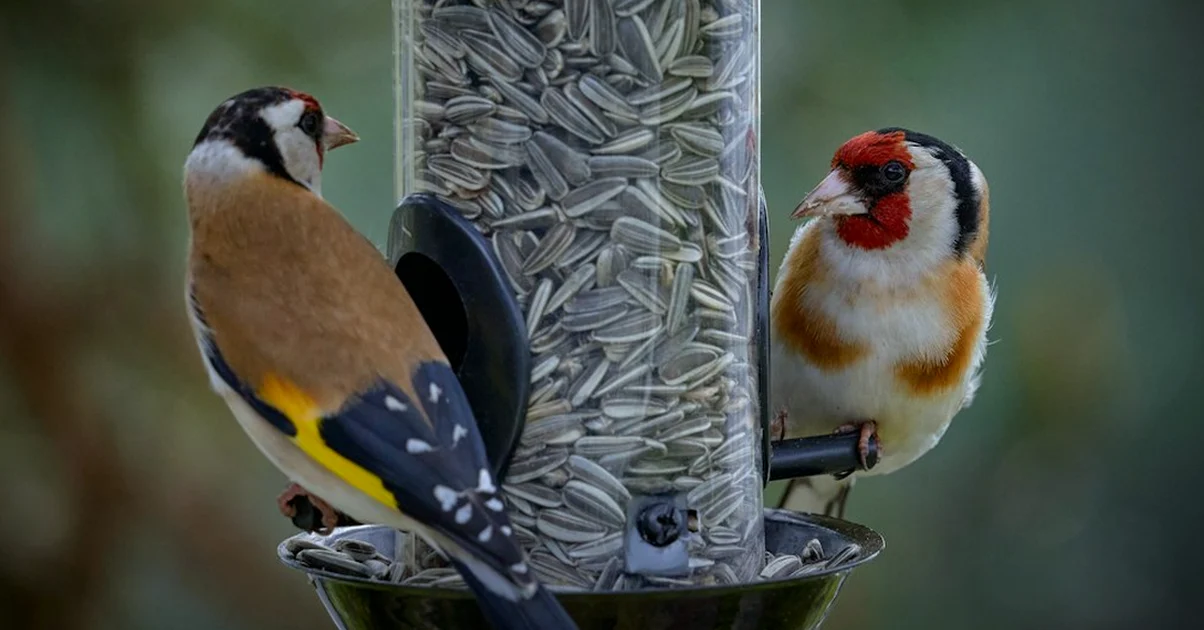
The best outdoor bird-feeding setup in a UK garden matches the birds already present, rather than trying to attract every species with one food. Seed tubes suit finches and sparrows; open trays suit robins, dunnocks and blackbirds; mesh feeders suit tits feeding on peanuts or suet.
| Bird commonly seen in England | Food | Feeder and height | Position |
|---|---|---|---|
| Goldfinch, greenfinch | Sunflower hearts, fine seed | Seed tube, 1.5 to 2m | Open view near light cover |
| Blue tit, great tit | Peanuts, plain suet balls | Mesh feeder, 1.5 to 2m | Away from cat launch points |
| Robin, dunnock | Mealworms, soft food | Tray, ground to 1m | Visible from several sides |
| Blackbird | Fruit, soaked sultanas | Ground tray | Clear feeding patch |
Start small and keep food dry
Fill only enough food for 1 to 2 days at first. A large feeder full of seed can look good on a bird feeder station, but rain turns neglected food into clumps that harbour bacteria and mould.
Choose a feeder you can wash
A bird feeder with removable ports and a rain cover makes a first garden setup easier to keep clean. Choose the format that matches the birds and the space, rather than the largest model.
- Seed tubes limit large seed waste in compact patios and balconies
- Mesh peanut feeders stop whole peanuts being carried to very young chicks
- Squirrel-resistant metal cages can protect food where grey squirrels are persistent
Choose a feeder by working through five simple questions. In a balcony, patio or small terraced garden, a compact seed tube with removable ports is usually easier to keep dry and clean than a large open feeding tray. For robins and blackbirds, add a small tray only if it can be cleared of leftovers daily. If goldfinches are the main visitors, prioritise a seed tube for sunflower hearts; if tits are frequent, a mesh peanut feeder and plain suet balls are useful additions.
Where grey squirrels are persistent, spend more on a metal-caged or weight-activated design rather than repeatedly replacing spilled food. Buy only the capacity you can empty, wash and dry comfortably: a modest feeder refilled often is safer than a large one left full for weeks.
Different feeder styles solve different garden problems. Hanging feeders work well where a branch or bracket gives a clear approach, while a window feeder can bring close views when fixed securely and kept clean; its proximity also supports window strike prevention when it is within 1 metre of the glass. A table or open feeding tray gives ground-feeding English garden birds room to land, but needs daily checks for wet food and droppings. Pole-mounted feeders and a multi-hook feeding station suit larger gardens because they separate seed, suet and water, although they need a stable base and regular dismantling for washing.
Choose metal, tough recycled plastic or well-finished timber according to how easily each part can be scrubbed and dried. A rain cover helps keep seed usable, but it does not replace cleaning.
Advertisement
Clean feeders as a biosecurity routine
Bird feeder hygiene is biosecurity, meaning simple actions that reduce disease spread where many birds meet. Remove wet food each day, wash feeders at least weekly, and clean more often after heavy rain, warm weather or a rush of visitors.
Wash, dry and move ground trays
Use hot water, a dedicated brush and a bird-safe disinfectant, then rinse and dry every part before refilling. Clean seed tubes, trays and tables weekly; move a ground tray every few days so husks and droppings do not build up in one patch.
Stop feeding when birds look ill
Remove wet or mouldy pieces
Brush out seed and husks
Weekly, or sooner in rain
Only 1 to 2 days of food
Avoid risky scraps and adjust for seasons
Sunflower hearts, plain suet and suitable seed cover most needs through the year, with clean water beside them. Winter calls for higher-energy food and unfrozen water; spring and summer call for smaller portions and sharper cleaning because warmth spoils food quickly. In autumn and during the moult, maintain a reliable supply of quality seed and suitable insect food, while removing leftovers before they become damp.
Skip potatoes, bread and coffee grounds
Salted, buttery, roasted or fried potatoes should never go out for birds. Plain cooked potato is not needed, and too much bread fills birds without offering the nutrients supplied by seeds, insects and fats.
Change the menu through the year
Adapt the routine across the year rather than keeping the same full feeder in place. In winter, provide energy-rich sunflower hearts and plain suet balls, check that water has not frozen and refill little and often. During spring breeding, avoid loose whole peanuts and clear soft foods promptly; mesh peanut feeders reduce the chance of adults carrying whole nuts away. Summer heat makes seed, mealworms and soaked sultanas spoil faster, so offer smaller quantities, refresh water daily and wash feeders more frequently.
In autumn, birds may feed heavily while preparing for colder weather, while moulting birds benefit from a reliable mix of quality seed and suitable insect food such as mealworms. During heatwaves, move food out of direct midday sun where possible and remove anything damp, sour-smelling or mouldy immediately.
Questions & answers
What is the best type of bird feeder for birds in the UK?
A seed tube with sunflower hearts suits many UK gardens.
How often should I clean my bird feeder?
Clean weekly, remove wet food daily and wash more often in rain or heat.
Is it illegal to feed birds in your garden in the UK?
It is usually legal if it causes no avoidable harm or nuisance and outbreak guidance is followed.
Why should I not put coffee grounds around a bird feeder?
They are unreliable deterrents and may harm birds if eaten; use barriers or better placement.
- Site food near escape cover, but 2 to 3 metres from cat ambush cover.
- Keep feeders within 1 metre of windows or more than 10 metres away.
- Match seed tubes, trays and mesh feeders to the species using your garden.
- Offer only 1 to 2 days of dry food and treat cleaning as disease prevention.
Where should I put a bird feeder in a small garden?
Put it 1.5 to 2 metres high near light cover, within 1 metre of glass or more than 10 metres away.
Advertisement
Learn more
Here are some additional resources on this subject:
- Bird Feeders | Hanging, Window, Table & Pole Feeders — birdfood.co.uk
- Bird feeding | what & when to feed birds in your garden — rspb.org.uk
- Bird Feeders For Garden & Wild Birds UK — arkwildlife.co.uk

Editorial Team
Our team consists of passionate British birdwatchers and garden wildlife enthusiasts. We provide honest, practical advice on feeding garden birds, choosing the right feeders, and making your outdoor space a haven for UK wildlife — guided by RSPB best practice and real garden experience.
The information on this website is provided for general guidance only. Always follow RSPB and BTO best practice when feeding garden birds. Product recommendations may include affiliate links — see our disclosure policy for details.