Table of Contents
Advertisement
A free event is useful — but the real value is what happens afterwards
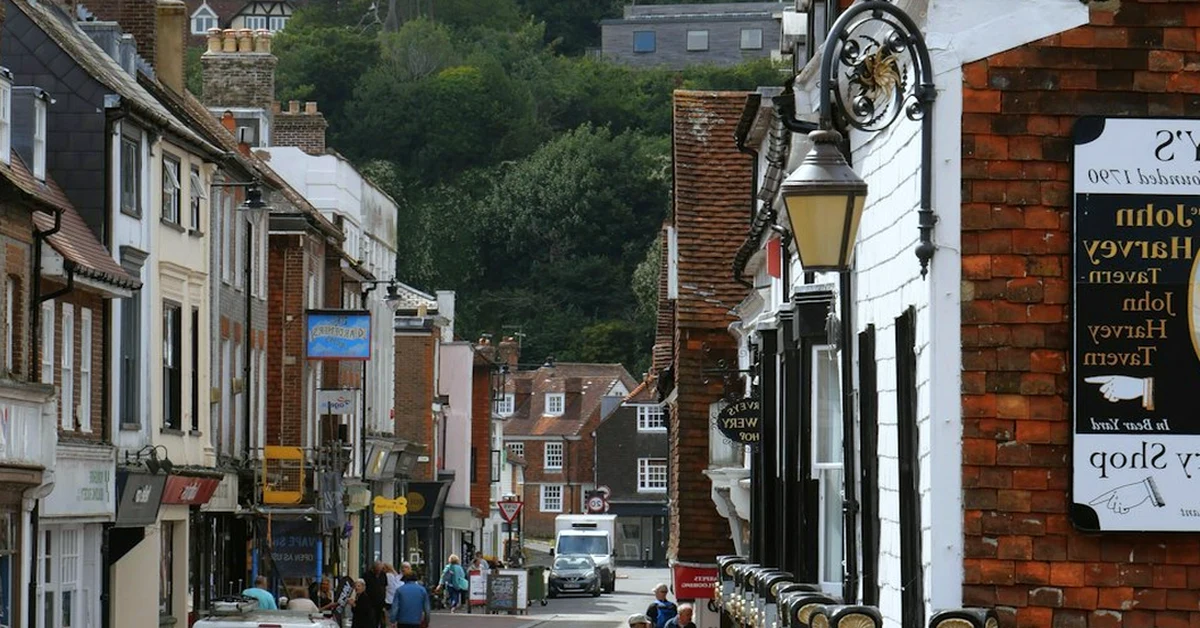
A newly announced free wildlife event in Lewes is intended to help Sussex gardens “buzz with life”. That is welcome news, particularly in a county where small urban gardens, coastal plots and village back gardens can collectively provide a substantial network of food, cover and nesting opportunities.
However, the important point for garden bird enthusiasts is not simply to attend an event or add a decorative wildflower pot. A wildlife-friendly garden works when it supplies the basics reliably: natural food, clean water, shelter, safe feeding and places for insects to complete their life cycles. Those conditions support birds as well as bees, hoverflies, moths, butterflies, hedgehogs and other visitors.
For people who already feed birds, this is also a useful prompt to look beyond the feeder. Sunflower hearts and peanuts can be valuable supplementary food, especially in difficult weather, but they cannot replace the caterpillars, aphids, spiders, seeds and berries that birds need across the year. A garden that is alive with invertebrates is often a more productive bird garden too.
Why gardens matter so much to Sussex wildlife
Gardens are often treated as isolated spaces, yet wildlife experiences them as a connected landscape. A blackbird may forage across several gardens in one morning. A robin needs a territory with cover, earthworms and safe perches. Blue tits and great tits depend heavily on caterpillars when feeding nestlings. House sparrows benefit from dense shrubs, seed-bearing plants and sociable feeding areas.
That means modest changes can have an outsized effect when neighbours make them together. One garden may offer water, another a mature hedge, another a patch of uncut grass and another clean, well-managed feeders. The result is a corridor rather than a series of wildlife-poor gaps.
This is especially relevant in built-up areas around Lewes, where hard surfaces, closely managed lawns and fenced boundaries can limit movement and reduce natural food. The answer is not to turn every garden into a wilderness overnight. It is to make deliberate choices that increase the value of the space without creating an unmanageable garden.
“Buzzing” is not just about pollinators
The language of a garden buzzing with life naturally evokes bees, but the presence of insects has direct implications for birds. During spring and summer, many familiar species feed their young mostly or entirely on invertebrates. Caterpillars are particularly important because they are soft, energy-rich and easy for chicks to swallow.
A garden containing a few native shrubs, flowering plants, leaf litter, log piles and a pesticide-free corner will generally support a wider range of invertebrates than one made up mainly of paving, artificial grass and tightly clipped planting. In turn, birds have more to eat beyond the contents of a feeder.
This does not mean accepting severe plant damage without intervention. It means tolerating a reasonable level of nibbled leaves, aphids and untidiness. A rose with a few aphids may be feeding hoverfly larvae and tits; a ragged leaf may indicate that a caterpillar has found a host plant.
Advertisement
The practical changes that make the biggest difference
1. Make bird feeding safe, not merely generous
Feeding is most useful when it is consistent, hygienic and positioned safely. Choose a quality seed mix with a high proportion of sunflower hearts, sunflower seed and other recognisable ingredients, rather than cheap mixes dominated by wheat or filler. Place feeders where birds have a clear view of approaching danger but can reach dense cover quickly.
Clean feeders regularly, removing old food and brushing away droppings beneath them. If you notice sick or lethargic birds, temporarily stop feeding, disinfect equipment thoroughly and allow the area to rest. Rotate feeder positions where possible to avoid a concentrated build-up of waste.
Provide fresh water in a shallow bird bath, with a gently sloping edge or stones for smaller birds and insects. Refresh it daily in warm weather and scrub it regularly. Water is often as valuable as food during dry spells.
2. Plant for a long season, not one colourful weekend
A short burst of flowers is attractive, but wildlife needs resources from early spring into autumn, plus berries, seeds and shelter through winter. Aim for overlapping flowering periods and retain some seedheads after summer rather than cutting everything back immediately.
Useful choices for many UK gardens include native or wildlife-supporting plants such as hawthorn, hazel, dog rose, ivy, crab apple, teasel, knapweed, bird’s-foot trefoil and single-flowered herbs. Ivy deserves particular mention: its late flowers can feed insects when little else is available, while its berries and evergreen cover are valuable to birds.
If space is limited, even a window box or container can help. Grow herbs such as thyme, oregano and chives, allow some to flower, and avoid using insecticides. A small planted area is more useful than an immaculate but lifeless display.
3. Leave one deliberately untidy area
A fully tidy garden can remove exactly the materials wildlife needs. Create a discreet habitat corner with a log pile, twigs, dead stems, leaf litter and a small patch of longer grass. It need not look neglected; placing it behind a shed, beside a hedge or at the back of a border keeps it unobtrusive.
This area can shelter beetles, spiders and overwintering insects, all of which feed birds. It may also provide cover for frogs and hedgehogs. Avoid disturbing the pile repeatedly: its value increases when it is allowed to settle.
4. Rethink boundaries and cat safety
Dense, mixed hedging is usually better for wildlife than solid fencing alone. It provides nesting cover, berries, insect habitat and a safer route through the garden. Where replacing a fence is unrealistic, climbers and shrubs along its base can still add cover.
For households with cats, protecting birds should be part of the plan. Keep cats indoors around dawn and dusk when birds are particularly active, and consider a quick-release collar with a well-fitted bell or colourful predation-alert collar where appropriate. Do not position feeders directly beside dense cover from which a cat can ambush; leave a clear approach around the feeding station while maintaining escape shrubs further away.
What to ask at a local wildlife event
The strongest reason to attend a free local event is access to local knowledge. Advice that works in a dry, exposed coastal garden may differ from advice for a shaded Lewes terrace or a garden bordering farmland. Take photographs of your plot, note which birds currently visit, and ask focused questions.
Useful questions include:
- Which native plants suit my soil and aspect?
- What can I plant to provide food in late winter and early spring?
- How can I create a pond or water feature safely in a small garden?
- Which local volunteer groups, surveys or habitat projects can I join?
- How should I manage bird feeders if disease is reported locally?
Avoid treating wildlife gardening as a shopping list. Before buying a bee hotel, nest box or packet of seed, first assess what is missing from your garden. A nest box will not compensate for a lack of food; a bird feeder will not make up for no safe cover; a wildflower seed mix may fail if the ground conditions are unsuitable.
A simple seven-day action plan
If the Lewes event inspires you but you are unsure where to begin, start small and make one improvement each day.
- Day one: Clean bird feeders and the bird bath.
- Day two: Stop using routine pesticides and weedkillers.
- Day three: Add a shallow water source.
- Day four: Leave a small patch of lawn longer or delay mowing part of a border edge.
- Day five: Plant one wildlife-supporting shrub, climber or container.
- Day six: Build a log and leaf pile in a quiet corner.
- Day seven: Spend ten minutes observing and recording what uses the garden.
Observation matters. It helps you see whether food is being eaten, whether a feeder is vulnerable to predators, which plants attract insects and whether one area remains dry or bare. The best wildlife gardens are adjusted gradually in response to what is actually happening, not designed once and left unchanged.
Advertisement
FAQ
Will feeding birds attract rats?
It can if seed is allowed to accumulate on the ground. Use feeder trays where suitable, offer only the amount birds will eat in a day or two, clear spillages and avoid placing feeders beside dense cover that gives rodents easy shelter. Do not stop feeding automatically; improve hygiene and feeder management first.
Are wildflower seed mixes always good for garden wildlife?
Not necessarily. Some mixes contain non-native annuals that provide colour but limited long-term habitat value. Choose mixes appropriate to your soil and location, preferably with native UK species where feasible, and prepare the ground correctly. Perennial planting and native shrubs often deliver more reliable year-round benefits.
Should I feed garden birds throughout the year?
Year-round supplementary feeding can be beneficial when food is clean, fresh and offered responsibly. In spring and summer, avoid loose whole peanuts and hard foods that could pose a risk to young chicks; use suitable feeders and keep food dry. Natural insect-rich habitat remains essential during the breeding season.
What is the quickest way to make a garden better for birds and insects?
Add clean water, stop routine pesticide use and create cover. These changes are inexpensive, immediate and useful to several groups of wildlife. Planting for a longer flowering and fruiting season is the next step.
Source: SussexWorld — Wed, 12 Aug 2026 11:57:00 GMT

Editorial Team
Our team consists of passionate British birdwatchers and garden wildlife enthusiasts. We provide honest, practical advice on feeding garden birds, choosing the right feeders, and making your outdoor space a haven for UK wildlife — guided by RSPB best practice and real garden experience.
The information on this website is provided for general guidance only. Always follow RSPB and BTO best practice when feeding garden birds. Product recommendations may include affiliate links — see our disclosure policy for details.