Birdlife in English gardens changes from September to November as resident species join feeding flocks and some winter visitors begin to appear. Support them with varied food, regularly cleaned feeders and natural cover, rather than simply putting out more seed, to reduce waste, pests and the risk of disease.
Table of Contents
Advertisement
Autumn garden birds: residents or visitors?
Most birds in English gardens are resident garden birds, meaning they live in Britain year-round, but their feeding patterns shift as berries, insects and daylight change.
September: movement starts quietly
| Month | Likely garden birds | What changes |
|---|---|---|
| September | Tits, finches, robins, juvenile blackbirds | Post-breeding flocks and passing migrants |
| October | Mixed tit flocks, goldfinches, chaffinches | Seedheads fade and feeder use rises |
| November | Redwings, occasional siskins and bramblings | Frost and berry supply shape arrivals |
October flocks are mostly local
By October, mixed flocks of tits, goldfinches and chaffinches are mostly made up of local resident birds, even as feeder use rises when seedheads fade.
November brings true winter signals
November can bring redwings from Scandinavia and Iceland, recognised by a creamy stripe above the eye and rusty-red flanks. Fieldfares, with grey heads and brown backs, are more likely in open country, large gardens and suburban edges than on a compact city patio.
Not every bird seen during bird migration is a new winter arrival. UK resident birds such as robins, blue tits, great tits and blackbirds are present throughout the year, but become more noticeable when family groups join feeding flocks and natural food declines. Passage migrants may appear briefly in September or October while moving south, whereas winter garden visitors stay for longer when cold weather reaches northern Europe.
Redwings in gardens are a useful example: they may arrive from October onwards, but are often most visible after frost limits worms and berries in fields. Weather, local trees and nearby farmland can make one garden busy while another remains quiet.
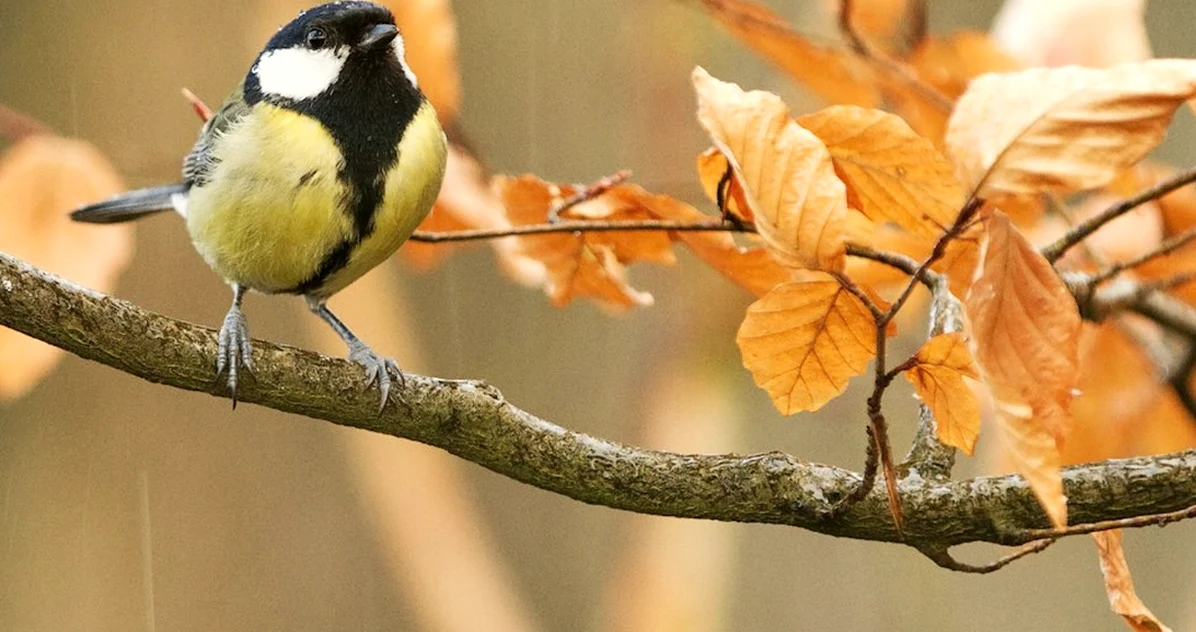
Identify small birds before changing food
Size, bill shape, feeding position and flock behaviour identify small birds more safely than colour alone.
| Bird | Quick visible clue | Best food | Feeder behaviour | Autumn likelihood |
|---|---|---|---|---|
| Coal tit | White patch on nape | Sunflower hearts | Takes one item away | Common near trees |
| Goldfinch | Red face, yellow wing bar | Nyjer seed | Often feeds in groups | Common |
| Siskin | Small, streaked, pointed bill | Nyjer or sunflower hearts | Clings and chatters | Variable |
| Redwing | Cream eye-stripe | Windfall apples | Feeds on lawn or ground | More likely after frost |
Coal tit or blue tit?
A coal tit has a black cap, white cheeks and a clear pale patch on the back of its neck. A blue tit has a blue cap and wings, with a yellow belly. Coal tits often grab a sunflower heart and fly into cover, so a nearby shrub matters.
Siskin, goldfinch or chaffinch?
Siskins are smaller and more streaked than goldfinches, with a pointed bill, while goldfinches show a red face and yellow wing bar. Chaffinches are also common in autumn flocks, particularly as feeder use rises.
Advertisement
Feed autumn birds without creating disease
Offer sunflower hearts, nyjer seed, quality suet and small amounts of mealworms in separate clean feeding points.
| Bird group | Food and site | Avoid | Cleaning routine |
|---|---|---|---|
| Tits and nuthatches | Sunflower hearts, hanging feeder | Loose whole peanuts | Wash weekly |
| Goldfinches and siskins | Nyjer, specialist feeder | Wet, clumped seed | Wash weekly, refill little and often |
| Robins and thrushes | Mealworms or fruit, raised tray | Milk, salty scraps, mouldy bread | Remove leftovers daily |
A sunflower-heart-led autumn seed mix produces less husk waste than many cheap mixes. It is a practical choice where paving makes spilled food easy to spot and remove.
- Sunflower hearts suit tits, finches and robins without hard outer husks.
- Less discarded husk helps keep small urban feeding areas tidier.
- Small refill amounts reduce the chance of seed becoming damp after rain.
Clean feeders before problems spread
Clean feeders at least once every seven days, and every 2 to 3 days if food is wet, crowded or visibly soiled. Use hot water and a bird-safe disinfectant, rinse well, then allow the feeder to dry fully. Fresh drinking water needs the same care.
The British Trust for Ornithology and RSPB both stress hygiene because trichomonosis, a disease that can affect finches, spreads where saliva and food build up. If you see fluffed-up finches struggling to swallow, stop feeding temporarily and follow current RSPB wildlife health advice.
Keep cover and clean nest boxes
Adapt feeding to the setting rather than using the same arrangement in every garden. In a small urban garden or paved courtyard, use a compact hanging feeder, refill little and often, and sweep up spillages daily; good bird feeder hygiene is especially important where many birds share limited space. Rural gardens beside hedges or fields may attract thrushes and finches, so place a ground or raised tray close to cover but away from places where cats can ambush.
Coastal gardens can be exposed, making a sheltered feeder position important. For goldfinch feeding, keep nyjer dry in a specialist feeder, while a shallow tray of sunflower hearts can suit several resident species in a modest garden.
Common autumn feeding mistakes in england
The broad advice to feed more birds in autumn is incomplete.
Blackbirds, redwings and fieldfares may depend on holly, hawthorn, rowan and windfall fruit before turning to supplied food. Keep fruit off the ground if it is fermenting or mouldy, but leave sound fruit where birds can reach it.
Count what you actually see
Food is only part of autumn survival. Natural garden cover gives birds places to hide from sparrowhawks and cats, shelter from wind and rain, and roost safely as nights become colder. Dense native hedges, ivy-covered fences, evergreen shrubs, log piles and uncut patches around seedheads can support insects as well as provide protection. Many birds complete or recover from their post-breeding moult during late summer and autumn, when growing fresh feathers requires protein and undisturbed cover.
Avoid cutting back every shrub at once, particularly in October and November, and leave a sheltered route between feeding points and thicker vegetation so birds do not have to cross exposed ground.
Common questions
What birds come into english gardens in autumn?
English gardens commonly host tits, robins, blackbirds, goldfinches and chaffinches in autumn, with redwings appearing more often from October or November. Siskins, bramblings and fieldfares are variable visitors, depending on region, weather and nearby habitat.
Are redwings common in UK gardens?
Redwings are regular winter visitors in many UK gardens, especially after frost reduces food in fields. Look for the cream stripe above the eye and offer clean windfall apple pieces on a raised tray.
Should i feed birds every day in autumn?
Feed small amounts daily if you can keep food dry and remove leftovers within 24 hours. A consistent clean supply is better than filling a feeder heavily once a week.
How often should i clean a bird feeder in autumn?
Clean a bird feeder every seven days, or every two to three days during wet weather or heavy finch use. Scrub away old food and droppings, rinse thoroughly and dry it before refilling.
What food should i avoid giving garden birds?
Avoid salty foods, mouldy bread, milk, desiccated coconut and loose whole peanuts. Do not put out any food that smells sour, looks wet or has clumped inside a feeder.
Can i clean my nest box in autumn?
You can clean an empty nest box in autumn, usually between September and January. Remove old nesting material with gloves, brush it out and check that the entrance hole and fixings remain sound.
- Most autumn feeder visitors are residents that have become easier to see, not newly arrived winter birds.
- Use sunflower hearts, nyjer and fresh water in separate, dry feeding points.
- Clean feeders weekly, and sooner after rain, crowding or signs of sick birds.
- Keep berry shrubs, ivy and seedheads to provide the natural food that feeders cannot replace.
Advertisement
Learn more
Here are some additional resources on this subject:
- Help the birds in your garden — lancswt.org.uk
- A who's who of garden birds — google.com
- Garden Birds in October - Advice — google.com

Editorial Team
Our team consists of passionate British birdwatchers and garden wildlife enthusiasts. We provide honest, practical advice on feeding garden birds, choosing the right feeders, and making your outdoor space a haven for UK wildlife — guided by RSPB best practice and real garden experience.
The information on this website is provided for general guidance only. Always follow RSPB and BTO best practice when feeding garden birds. Product recommendations may include affiliate links — see our disclosure policy for details.