October gardening advice is often framed as a tidy-up list: cut back, clear leaves, prune, plant and prepare for colder weather. The recent 12 gardening jobs for October feature from Rest Less is a useful seasonal prompt, but for a UK garden that supports birds, the key question is not simply which jobs to complete. It is which jobs should be altered, delayed or done more gently to preserve food, shelter and safe feeding opportunities.
That distinction matters in October. Natural food is changing quickly: insects are less available, seed heads are ripening or being stripped by birds, and hedgerow fruits become important fuel. At the same time, garden feeding stations begin to receive heavier use from resident species such as blue tits, great tits, robins, house sparrows, dunnocks, finches and blackbirds. Migrant species may also pass through or arrive for winter.
A neat garden can still be wildlife-friendly, but an over-cleared one is less useful to birds precisely when natural cover and calories are becoming scarce.
Table of Contents
Advertisement
Why October garden work affects birds more than you might expect
The shift from late summer to autumn changes how birds use gardens. During the breeding season, many species rely heavily on invertebrates, particularly caterpillars and spiders, to feed chicks. By October, berries, seeds, fallen fruit and supplementary foods take on greater importance. Dense planting also becomes valuable as cover from rain, wind and predators.
This means ordinary autumn tasks have consequences:
- Removing all seed heads eliminates a natural feeding resource.
- Cutting shrubs hard can reduce both berry crops and shelter.
- Clearing every leaf and twig removes habitat for invertebrates that birds forage for.
- Neglecting feeders can increase disease risk when more birds gather in one place.
- Letting bird baths freeze or become dirty reduces access to drinking and bathing water.
The aim is not to abandon gardening. It is to make choices that keep the garden functioning as a small but reliable habitat through autumn and winter.
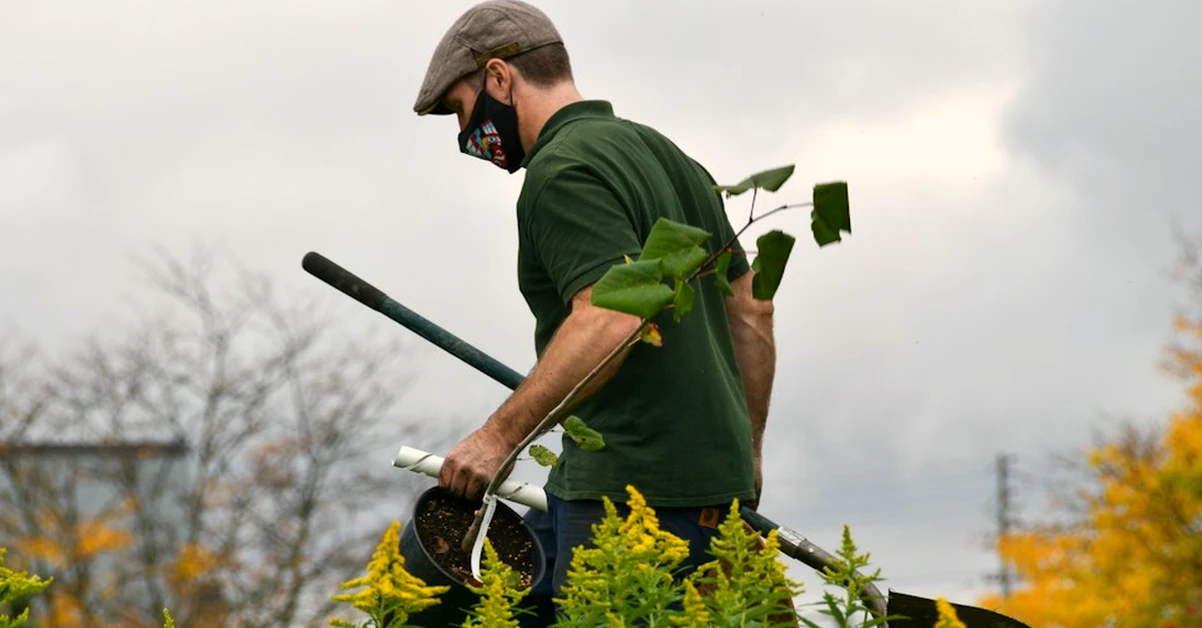
The October jobs worth adapting for wildlife
Leave seed heads standing until late winter
Many traditional October checklists recommend cutting back faded herbaceous plants. For garden birds, it is often better to leave at least a substantial proportion in place. Teasels, rudbeckias, echinacea, scabious, ornamental grasses and sunflowers can all hold seed that is useful to finches, sparrows and other seed-eaters.
Goldfinches are especially associated with teasel and thistle-type seed heads, while house sparrows may pick through smaller seeds in untidy borders. Standing stems also provide shelter for insects and spiders, which remain food for robins, wrens and blackbirds during mild spells.
A practical compromise is to cut back plants that are diseased, collapsed across paths or genuinely hazardous, while retaining seed-rich areas at the back of borders. This gives the garden a managed appearance without removing every autumn resource.
Prune with berries and cover in mind
October is often suggested for pruning or general shrub maintenance, but berrying shrubs should be assessed before you reach for the secateurs. Holly, cotoneaster, pyracantha, rowan, crab apple, rose hips and ivy can provide valuable autumn and winter food.
Blackbirds, fieldfares, redwings and thrushes may all use fruiting plants, although which species appear will vary by region, weather and the wider landscape. Ivy is particularly worth protecting: its late flowers support insects, and its berries ripen later, offering food when other supplies may have declined. Dense ivy also gives small birds cover.
If a shrub needs reducing, remove only selected branches rather than stripping it back entirely. Avoid pruning away the whole berry-bearing section in one season. Staggering maintenance across years is kinder to wildlife and usually easier on the plant too.
Rethink leaf clearing: collect, do not sterilise
Fallen leaves can make paths slippery and smother lawns, so clearing some is sensible. However, removing every leaf from beds, under hedges and around the base of shrubs creates a biologically sparse garden.
Instead, rake leaves from paths and lawns into a leafmould pile, under a hedge, or into a loose area behind a border. This supports the insects and other small creatures that attract ground-feeding birds. Robins, blackbirds, dunnocks and wrens commonly search through leaf litter for food.
Do not use loose netting over leaf piles, compost heaps or ponds, as wildlife can become entangled. If you need to contain leaves, use a rigid bin or secure wire frame with no gaps that could trap animals.
Plant for the hungry gap, not only for spring colour
October is a productive month for planting trees, shrubs, hedging and spring bulbs while soil is still relatively warm. For bird-friendly gardens, prioritise plants that offer more than flowers alone.
Native or wildlife-useful choices include hawthorn, holly, guelder rose, dog rose, spindle, rowan, hazel and crab apple. A mixed hedge is generally more useful than a single-species boundary because it provides varied berries, buds, insects and nesting cover across the year.
When buying plants, avoid treating a token berry bush as a complete wildlife strategy. One small shrub will be quickly exhausted. Layered planting—ground cover, herbaceous plants, shrubs and a small tree where space permits—creates a more resilient food web and safer routes for birds moving around the garden.
Advertisement
October is the moment to improve feeding, not merely increase it
As temperatures fall, many people put out more food. That can be helpful, but the quality and hygiene of feeding matter as much as quantity.
Offer appropriate foods in separate places
A varied feeding station caters for different species and reduces competition. Use a quality seed mix with a high proportion of sunflower hearts, sunflower seed and small seeds; avoid cheap mixes dominated by wheat or fillers that many garden birds discard. Peanuts should only be supplied in a rigid mesh feeder, never loose or in large pieces where young birds could choke.
Place sunflower hearts or mixed seed in tube or seed feeders for tits and finches. Put mealworms, soaked dried mealworms or small amounts of suitable soft food on a clean tray for robins and blackbirds. Windfall apples can be placed on the ground or a low table for thrushes, but remove mouldy fruit promptly.
Keep ground food modest and clear away leftovers each day where possible. This helps limit rats and reduces the chance of food becoming wet, spoiled or contaminated.
Clean feeders before winter crowds arrive
Autumn is a sensible time to establish a cleaning routine before feeding stations become busier. Empty feeders regularly, brush away old debris and wash feeders with hot, soapy water. Rinse thoroughly and allow them to dry before refilling. Rotate spare feeders if you can, so there is always a clean one ready.
Bird tables, trays and the ground beneath feeders need attention too. Sweep up husks and wet food, move feeders occasionally to prevent a build-up of droppings in one patch, and avoid placing them directly above dense shrubs where cats can hide.
If you see a sick or dead bird, or multiple birds looking unwell, stop feeding temporarily, remove and clean feeders and tables, and follow current guidance from recognised wildlife-health organisations. Continuing to feed from a contaminated station can concentrate disease.
Do not forget water
Birds need water throughout the year, not just in summer. A shallow bird bath helps with drinking and feather care, particularly when natural puddles and ponds are less accessible. Keep it clean, top it up, and position it where birds have a clear view of approaching danger but can reach nearby cover.
In frosty weather, refresh water with lukewarm—not hot—water and break thin ice gently. Do not add antifreeze, salt or chemicals to a bird bath.
Wildlife-friendly tidying also means safer gardens
October is when gardeners often empty sheds, move pots, burn garden waste or turn compost. Pause before doing so. Hedgehogs, frogs, toads and insects may be using piles of leaves, logs or compost for shelter. Check carefully before shifting materials, and never set fire to a pile without rebuilding it first in a new spot.
For birds, avoid using pesticides to create an immaculate autumn garden. Invertebrates are part of the food supply for many species, and chemical treatments can reduce that supply or create wider risks. Hand-weeding, mulching and accepting a few imperfect leaves are usually more compatible with a garden that supports wildlife.
If you are installing new fencing or tidying boundaries, retain gaps or connectivity at ground level for hedgehogs and avoid replacing every dense shrub with solid panels. Birds benefit from planted boundaries as windbreaks, cover and foraging sites.
A practical October checklist for bird-friendly gardens
- Leave some seed heads, grasses and dead stems standing.
- Check berrying shrubs before pruning and retain fruit where possible.
- Move leaves from paths into leafmould piles or sheltered border areas.
- Plant mixed, berry- and insect-supporting shrubs or hedging.
- Clean and rotate feeders, trays and bird baths.
- Offer fresh, species-appropriate food in sensible quantities.
- Position feeders away from ambush cover and clean up spilled food.
- Check compost heaps, leaf piles and bonfires for wildlife before disturbing them.
- Keep water available and free from contaminants.
- Record which birds use your garden: the results will guide better planting and feeding decisions 2027.
The most useful interpretation of October gardening advice is therefore not “finish every job”. It is to use the month to build a garden that remains productive when flowers fade and daylight shortens. A few retained seed heads, a clean feeder, a reliable water source and a berry-rich boundary can make a measurable difference to the birds visiting a typical UK garden.
Advertisement
FAQ
Should I feed garden birds every day in October?
Regular feeding is helpful once you start, particularly as autumn weather becomes colder and natural food changes. You do not need to provide huge quantities, but offer fresh food consistently, remove spoiled leftovers and keep feeders clean. Natural planting remains just as important as supplementary food.
Is it safe to cut back all my perennials in autumn?
It is safe for many plants, but it is not ideal for wildlife. Retaining some seed heads and hollow stems provides seeds, insect habitat and structure through winter. Cut back plants that are diseased or obstructive, then leave the rest until late winter or early spring where practical.
Which October plants are best for birds?
For long-term value, consider mixed native or wildlife-friendly planting such as hawthorn, holly, rowan, crab apple, hazel, dog rose and guelder rose. Choose according to your soil, space and light levels, and favour a mix of species rather than one shrub alone.
How often should bird feeders be cleaned in autumn and winter?
Inspect them daily and clean them routinely, especially when food is wet, droppings are visible or bird activity is high. A thorough wash with hot, soapy water on a regular rotation, plus cleaning feeding surfaces and the area below, helps reduce disease risks.
Source: Rest Less — Mon, 05 Oct 2026 07:00:00 GMT

Editorial Team
Our team consists of passionate British birdwatchers and garden wildlife enthusiasts. We provide honest, practical advice on feeding garden birds, choosing the right feeders, and making your outdoor space a haven for UK wildlife — guided by RSPB best practice and real garden experience.
The information on this website is provided for general guidance only. Always follow RSPB and BTO best practice when feeding garden birds. Product recommendations may include affiliate links — see our disclosure policy for details.