A ground bird bath can suit robins, blackbirds, dunnocks and other birds that naturally forage at soil level. Place it where they have clear views in all directions, on firm ground that drains well, rather than beside dense shrubs or tall cover where a cat could wait unseen.
Table of Contents
Advertisement
A safe ground bath needs open views and shallow water
A ground-level dish is safe when birds can spot danger, stand securely and leave the water quickly.
Choose ground level for ground-feeding birds
A practical size is between 30 and 45 cm across. That gives several small birds room without creating a large, hard-to-clean pool. Choose a heavy terracotta saucer, rough stone dish or textured plastic bowl with a wide base.
Keep cover close, but not cat-close
A bath needs escape cover within roughly 2 to 4 metres, such as a small tree, open shrub or hedge edge. It should not sit directly beside dense laurel, bramble or a thick conifer. That gap gives birds a clear view while still allowing a fast flight to safety.
A ground bird bath is a shallow dish placed at soil level, designed to suit ground-feeding birds that are already comfortable foraging on lawns, paths and borders. Robins, blackbirds, dunnocks and thrushes may favour this type of garden bird water source because they can walk straight to the rim rather than fly up to a pedestal. Choose it when your bird bath placement can provide open sightlines, firm drainage and nearby escape cover.
A pedestal bird bath is usually the better choice in a very exposed garden with frequent cats, while a hanging bath is mainly useful where space is limited and larger birds are not the priority.
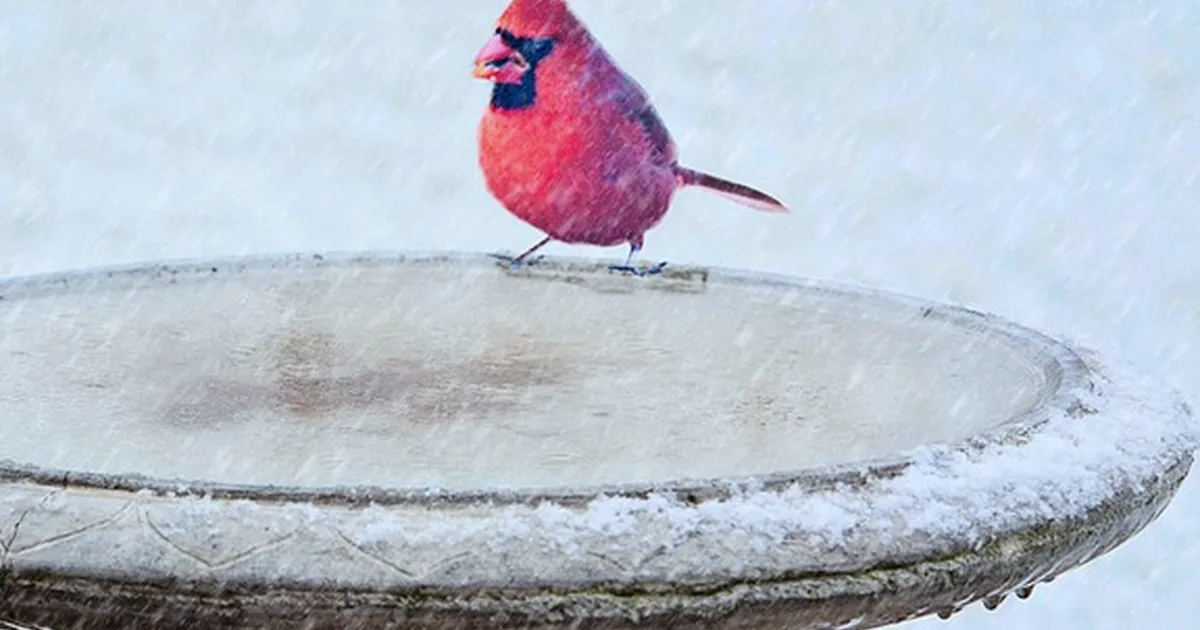
Choose a bowl, pedestal or fountain for your garden
Choose a shallow ground bowl for birds that feed low down, a pedestal bath where cats visit often, and a solar fountain only if its basin stays shallow and easy to scrub.
Compare the three common options
| Bath type | Typical England price | Best for | Cleaning need | Cat exposure |
|---|---|---|---|---|
| Ground bowl | £8 to £30 | Blackbirds, robins, thrushes | Daily refill, weekly scrub | Higher if hidden |
| Pedestal bath | £25 to £80 | Mixed garden visitors | Daily refill, weekly scrub | Lower in open space |
| Solar fountain basin | £20 to £60 | Visible, calm locations | Check pump every 2 to 3 days | Depends on basin site |
Avoid fountains that empty the basin
A solar fountain should make a gentle ripple, not a jet that sprays water onto paving. In weak English winter sun, the pump may stop and start; in strong summer sun, it may empty a shallow dish surprisingly fast. Check the remaining depth each day.
A wide, removable shallow dish is usually easier to keep clean than a fixed ornamental bath. Look for a textured surface and enough space for stable stones.
- A broad rim gives robins and dunnocks a dry place to drink.
- A removable bowl can be scrubbed without disturbing the whole base.
- A rough interior helps wet birds grip while leaving the water.
Advertisement
Install a low bath without making a cat trap
Set the bowl on paving slabs, compacted gravel or coarse sand so it stays level and drains after rain.
Build a level, free-draining base
Make a base about 10 to 15 cm wider than the dish on every side. Remove soft turf, add coarse sand or compacted gravel, then place a flat paving slab on top. Check the level with a bottle partly filled with water if you do not own a spirit level.
Keep water cleaner than it looks
Replace water every day in warm weather and at least every two days during cool, clean weather. Scrub the dish with hot water and a stiff brush once a week, then rinse fully. Do not use household disinfectant, washing-up liquid or bleach where birds may drink.
Handle algae, frost and mosquitoes
Treat seasonal care as part of garden bird safety, not as an occasional tidy-up. In summer, empty the bowl daily, keep it out of all-day scorching sun where possible and brush away green algae before it makes the surface slippery. Mosquito larvae are far less likely to develop when water is changed every day or two, so do not rely on a fountain alone. Weekly bird bath cleaning with hot water and a stiff brush removes droppings and biofilm; rinse until no residue remains.
In frost, remove ice rather than striking the dish, and use a spare shallow bowl indoors overnight if a terracotta dish is likely to crack.
For a simple DIY shallow bird bath, use a heavy terracotta saucer or a low stone bird dish at least 30 cm wide, with a rough inner surface and no glazed, slippery slope. Bed it onto a level paving slab, then add one or two broad, stable stones only if they create a gradual entry rather than a deep central pool. When buying a commercial non-slip bird bath, check that the bowl is removable, the rim is wide enough for birds to perch, the working water depth for birds can stay below 5 cm and the base will not wobble.
Avoid ornate bowls with narrow crevices, as they are harder to scrub thoroughly.
Questions & answers
Is a ground bird bath safe from cats?
A ground bird bath is safer from cats when it sits in open ground with no dense shrub directly beside it. Leave roughly 2 to 4 metres to escape cover, and do not create a hidden stalking route through planting.
How deep should water be in a bird bath?
Most garden birds can use water up to about 5 cm deep when there is a gradual, non-slip entry. Keep much of the dish shallower, between 1 and 3 cm, using fixed stones if needed.
Should i put a bird bath under a feeder?
No, a bird bath should sit well away from feeders because seed, droppings and discarded food contaminate water quickly. Put water several metres away and clean both stations separately.
What should i do with a bird bath in winter?
Break and remove ice, then refill the bath with fresh cool water during freezing weather. Do not use salt, chemicals or boiling water, as these can harm birds or crack the bowl.
Make the water station easy to keep safe
A good water station is simple enough to clean every week and open enough for birds to see a cat coming.
- Keep working water depth at 5 cm or less, with a shallow grippy edge.
- Place the bowl on a level, draining base rather than bare soil.
- Give birds open views and an escape route, but never place the dish against dense shrubs.
- Refresh water daily in warm weather and scrub the bowl weekly.
Advertisement
Related sources
These articles can help you explore the topic in more depth:
- Bird Friendly Garden — qdstores.co.uk
- Bird B&B — mudketeers.co.uk
- Best Bird Baths: Top Picks for Your Feathered Friends — marcopaul.co.uk
- Bird Bath Fountains — lovegardenbirds.co.uk

Editorial Team
Our team consists of passionate British birdwatchers and garden wildlife enthusiasts. We provide honest, practical advice on feeding garden birds, choosing the right feeders, and making your outdoor space a haven for UK wildlife — guided by RSPB best practice and real garden experience.
The information on this website is provided for general guidance only. Always follow RSPB and BTO best practice when feeding garden birds. Product recommendations may include affiliate links — see our disclosure policy for details.