A quiet spell at an English garden feeder is often normal: in summer, birds breed, moult or use plentiful natural food, while a new feeder may take 1–4 weeks to attract regular visitors.
Table of Contents
Advertisement
Five visible signs behind an empty feeder
An empty feeder can reflect a seasonal change, disturbance or a hygiene problem.
Full, untouched seed
A new feeder can look like an unfamiliar object to a blackbird or blue tit. Leave it in one stable place, offer a small amount of fresh sunflower hearts or quality mixed seed, and watch quietly at dawn or late afternoon.
Wet food or unwell birds
Possible illnesses include salmonellosis, a bacterial infection, and trichomonosis, which can affect a bird's throat. Do not handle sick or dead birds without gloves, and wash hands afterwards.
Cats, sparrowhawks and noise
Use the feeder itself as a quick diagnosis rather than changing everything at once. If seed is full and untouched, especially at a new bird feeder in the UK, leave it in the same position for a week and offer a small amount of familiar sunflower hearts. If food has vanished but you see no birds, look for squirrels, rats or spilled seed beneath the pole. If birds appear nervous, scan for cats, recent building work or sparrowhawks near feeders; a sparrowhawk is part of a healthy garden ecosystem, but moving the feeder closer to cover can help small birds approach safely.
If the food is wet, clumped or dirty, remove it and clean before refilling. Seasonal quietness without sick birds is usually a reason to observe, not to overfeed.
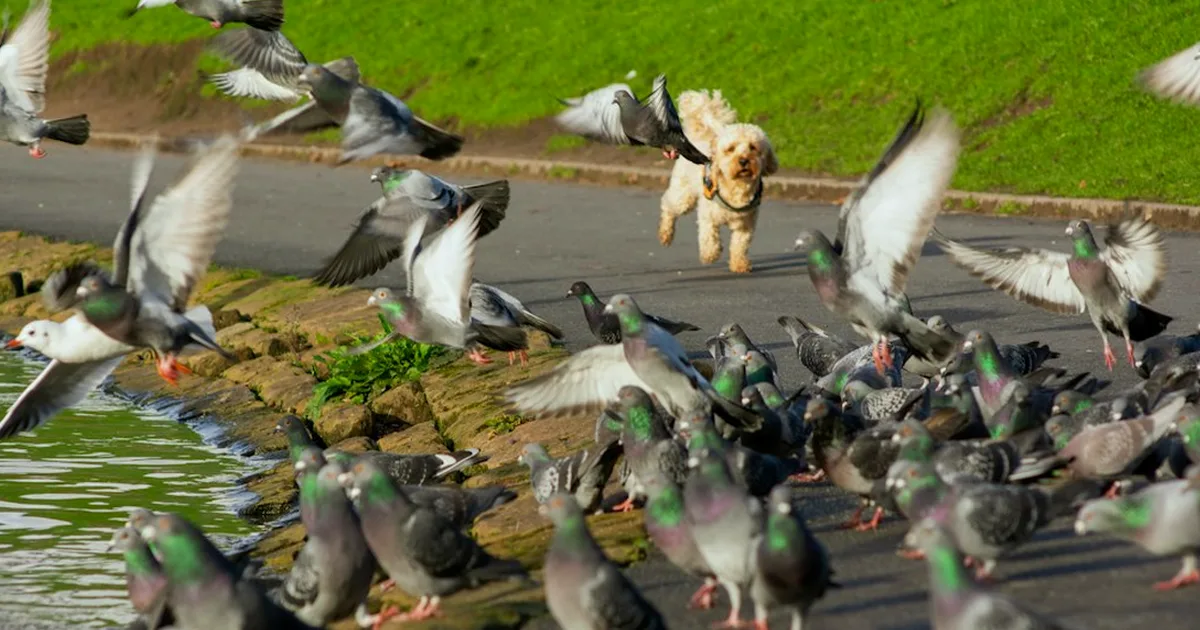
Summer and winter feeder patterns in england
Summer quietness is often normal because nesting, moulting and abundant natural food reduce feeder use.
| Months | What birds are doing | Best response |
|---|---|---|
| Jan to Feb | Cold weather reduces easy natural food. | Offer fresh seed, suet and unfrozen water. |
| Mar to Jun | Breeding birds favour insects for chicks. | Keep food clean; expect fewer visits. |
| Jul to Aug | Moult and abundant insects reduce feeder use. | Do not refill unused food repeatedly. |
| Sep to Nov | Migration and berry crops alter species seen. | Clean feeders and expect changing visitors. |
| Dec | Short days raise energy needs. | Feed little and often during cold spells. |
Normal changes in species
A change in which species visit is often normal in garden bird feeding. Blue tits and great tits may use more caterpillars and other insects while feeding chicks, finches may switch to natural seed crops, and some migrant or less regular visitors will simply be absent outside their usual season. Winter bird feeding usually brings more frequent visits when frost or short days limit natural food, while summer feeder activity can be much quieter. Concern is more justified when several birds are fluffed up, lethargic, struggling to swallow, showing swollen eyes or dying around the same feeding point.
In that case, stop feeding temporarily, record the date and symptoms, and seek current guidance from Garden Wildlife Health, the RSPB or a local wildlife rescue rather than relying on social-media reports.
Advertisement
Remove feeders when illness is suspected
Remove feeders temporarily if you see sick or dead birds at the feeding site.
Clean, disinfect and dry
Bag old food and fallen seed, then put it in the household bin rather than compost. Scrub feeders first, because disinfectant works poorly through a layer of dirt, then follow the product label for dilution, contact time and rinsing.
Fresh bird food in smaller packs can help prevent seed sitting damp in an unused feeder. Choose food suited to the feeder type, then replace it before it clumps.
- Sunflower hearts leave less husk waste beneath tube feeders
- Smaller packs are easier to keep dry in a sealed container
- Purpose-made suet products are less likely to spoil than kitchen scraps
Report concerns, not rumours
Good bird feeder hygiene means cleaning little and often, not waiting until a feeder looks visibly dirty. Empty and brush feeders regularly, wash them with hot water and a suitable disinfectant used exactly as labelled, rinse thoroughly and allow them to dry completely before adding fresh food. Discard wet bird seed, mouldy bird food and stale suet for garden birds rather than topping it up with fresh seed. Clear husks and fallen food from the ground each day where possible, especially in damp weather.
Avoid leaving food on trays, bird tables or other flat surfaces for long periods: droppings, rainwater and spilled food can mix there and increase contact between sick garden birds. Clean bird feeders more frequently during warm, wet spells or whenever several birds are feeding heavily.
Safer feeder sites reduce repeat problems
A clean feeder still fails if birds cannot approach safely.
Use this garden checklist
- Keep feeders more than 1 metre from glass, or very close to the glass, to reduce high-speed window collisions.
- Keep feeders away from sheds, dense ivy and fences cats use as launch points.
- Clear fallen food every day where rats, mice or squirrels appear.
- Use a pole baffle where squirrels empty food before birds can reach it.
- Place nest boxes away from the feeder's busiest area during nesting season.
Councils and neighbours matter
What people ask
Why are birds not coming to my feeder?
Birds may be breeding, moulting, using natural food, avoiding a predator, or rejecting stale food. Check dry seed, hygiene and the feeder site for 3 to 7 days before changing several things at once.
Should i stop feeding birds in summer UK?
You can feed birds in summer if food stays fresh and feeders stay clean. Pause immediately if sick birds, wet food or heavy faecal contamination appear.
How long does a new bird feeder take?
A new feeder usually takes between 1 and 4 weeks to attract regular birds. Keep it still, use familiar fresh food, and avoid filling it to the brim.
Should i ban bird feeders during bird flu?
Do not ban bird feeders automatically because of bird flu reports. Follow current DEFRA and Animal and Plant Health Agency advice for your location, then remove shared feeding points if instructed.
Advertisement
What to do next
- A quiet feeder in summer can be normal when insects and natural seed are plentiful.
- Wet food or sick birds means remove feeders, clear fallen food and clean before restarting.
- Give a new feeder up to 4 weeks in one safe, stable location.
- Do not ban bird feeders without a disease, pest or local authority reason.
Learn more
Here are some additional resources on this subject:
- Don't Stop Feeding Birds — gardenwildlifedirect.co.uk
- Why aren't birds coming to my feeder anymore? : r/birding — google.com
- Why have The Birds Stopped Using Feeders In Our Garden? — homeandroost.co.uk

Editorial Team
Our team consists of passionate British birdwatchers and garden wildlife enthusiasts. We provide honest, practical advice on feeding garden birds, choosing the right feeders, and making your outdoor space a haven for UK wildlife — guided by RSPB best practice and real garden experience.
The information on this website is provided for general guidance only. Always follow RSPB and BTO best practice when feeding garden birds. Product recommendations may include affiliate links — see our disclosure policy for details.