A feeder can turn a quiet garden into a busy feeding spot within days—but the same gathering place can also leave damp seed, droppings and vulnerable birds close together. That does not mean summer feeding is automatically unsafe in England. The sensible response depends on what is happening at your feeder, not the calendar alone.
What is the problem with bird feeders? Bird feeders are not inherently harmful, but they can concentrate birds, droppings and damp food in one place, raising disease and predator risks. In England, the key is knowing when to pause feeding and how to manage the station: clean feeders at least weekly, remove spoiled food, and act promptly if you spot signs of illness or official wildlife-health advice changes.
Table of Contents
Advertisement
Do bird feeders harm garden birds in England?
Well-managed feeding should complement natural garden food.
The risks are real, not inevitable
Feeders can spread infection because many birds touch the same perch, port and food. This is called disease transmission at feeding stations, meaning germs pass between birds through saliva, droppings or contaminated surfaces.
The common mistake is topping up seed without removing the old layer first. Wet seed and droppings stay below the fresh food, so topping up is like putting clean washing on top of a damp, dirty towel.
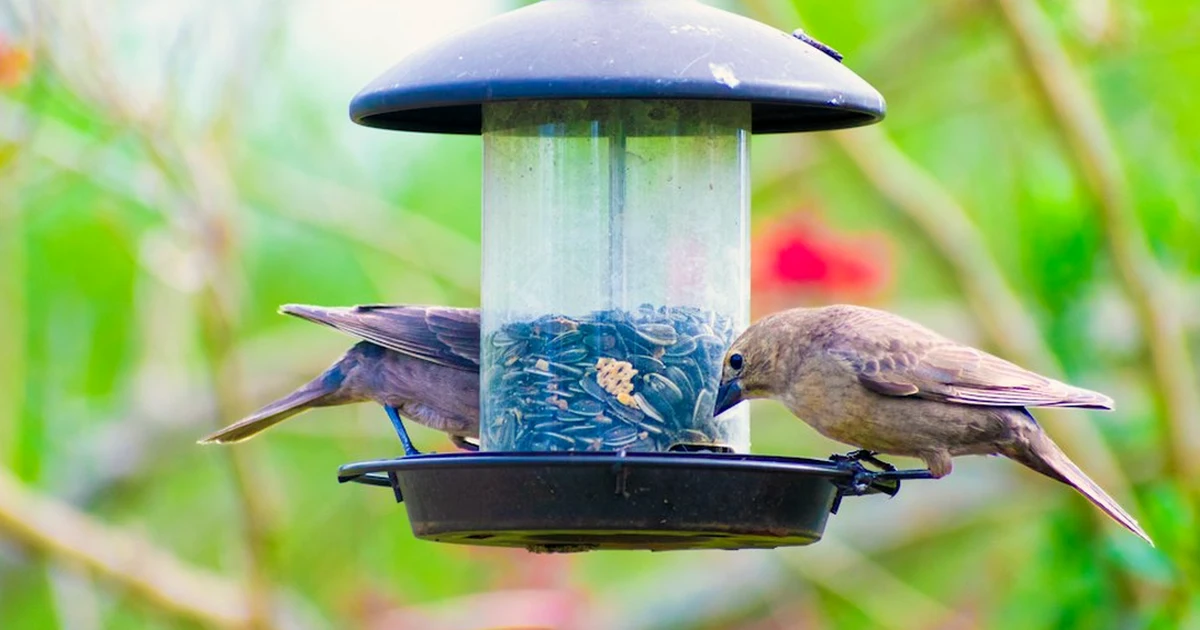
Why feeding stations become risky in practice
Crowding changes the picture. A single dirty tray can bring finches, sparrows and pigeons into contact with food and droppings from several species within minutes.
Illnesses linked to shared feeders
Avian trichomonosis is an infection often associated with finches and doves; affected birds may look fluffed up, struggle to swallow or have a wet, swollen face. Salmonellosis can cause weakness and diarrhoea, while avian pox may cause wart-like growths around the beak or eyes.
One bird that looks tired after flying is not proof of disease. Several birds showing similar signs, or a bird sitting low and allowing close approach, is a reason to stop feeding temporarily and inspect the area.
Food that becomes unsafe outdoors
| Feeder type | Food build-up risk | Cleaning access | Best use |
|---|---|---|---|
| Tube feeder | Low to medium | Good if it dismantles | Sunflower hearts or peanuts |
| Open tray | High in rain | Easy, but frequent | Small portions only |
| Ground feeding table | High from droppings | Good if raised and scrubbed | Short, supervised feeding |
A feeder designed with removable parts can make the weekly wash less of a chore. The useful feature is not a marketing claim, but being able to reach every perch and food port before dirt dries onto them.
- Removable sections make it easier to wash seed residue from ports and perches
- A covered feeding area helps keep sunflower hearts and seed drier in rain
- A catch tray can reduce scattered food when emptied and cleaned regularly
Hazards below and around feeders
Risk does not end at the feeder itself: food and droppings that collect below it can bring birds into contact with the same contaminated area.
Advertisement
Keep, reduce or pause feeding?
Use local conditions, not dates, to decide on feeding.
A simple England feeding decision
| What you notice | Action now | When to restart |
|---|---|---|
| Healthy birds, dry food | Keep portions modest; clean weekly | Continue |
| Rain-soaked or mouldy food | Remove food; wash and dry feeder | After cleaning and drying it fully |
| Sick birds or a dead bird nearby | Pause feeding; clear and disinfect | After reassessment, often several days later |
| Official local health alert | Follow the stated restriction | Only when guidance allows |
Prolonged rain is a reason to reduce portions, not necessarily to stop all feeding. Offer only what birds finish quickly, check it daily, and remove anything damp before adding fresh food.
Current RSPB seasonal guidance should be treated as UK-specific risk management rather than a universal ban on feeding. In parts of Britain, reducing or pausing supplementary food between May and October can help limit crowding when warmer, wetter conditions make damp bird food and contaminated surfaces more likely. That is especially relevant where greenfinches, chaffinches or doves gather repeatedly, because avian trichomonosis can spread more easily at busy garden bird feeders.
Elsewhere, local climate, food availability and wildlife-health advice may differ. Check the latest RSPB, DEFRA and Garden Wildlife Health notices, then use small quantities and strict bird feeder hygiene if feeding continues.
If you find illness or death
If you find a sick or dead bird, stop feeding immediately rather than waiting to see whether other birds become unwell. Wear disposable gloves, keep children and pets away, remove all visible food, husks and droppings, and dispose of waste securely. Empty and scrub feeders, trays and bird baths with hot soapy water, rinse them thoroughly and let every part dry completely before reuse. This interrupts bird disease transmission from wet seed, saliva and faecal contamination; it matters for risks including avian trichomonosis, salmonellosis in birds and avian pox.
Move the station to a clean area and monitor it for several days. Do not restart until there are no further sick or dead birds and any relevant local wildlife-health advice permits feeding.
Build a garden birds can spread through
A resilient garden offers birds food away from one crowded feeder. Native or wildlife-friendly shrubs can provide berries and shelter, flowering plants support insects for chicks, and seedheads left through autumn and winter give finches and sparrows natural forage. A shallow, regularly cleaned water source and patches of leaf litter can also support invertebrates, while thorny cover placed away from feeding areas provides safer escape routes.
This approach does not make feeders unnecessary, but it makes safe bird feeding easier: birds can spread across the garden instead of competing over one tray, and a temporary pause caused by spoiled bird food or disease risk is less disruptive.
Questions & answers
Should I stop feeding birds in summer in the UK?
No, summer feeding is safe if food stays dry, feeders are cleaned weekly and birds appear healthy. Pause if food spoils, several birds show illness, or local RSPB, DEFRA or Garden Wildlife Health advice says to stop.
What should I do if I find a dead bird near my feeder?
Stop feeding at once, wear gloves, remove food and waste, then wash and fully dry the equipment. Restart only after moving the station and checking that no further sick or dead birds appear over the following few days.
Do birds become dependent on garden feeders?
Most garden birds use feeders as one food source among several, rather than relying on them completely. Natural food sources such as insects, seeds and berries remain vital, so reduce food gradually if you need to pause routine feeding.
- The essentials: feeders create problems through crowding, damp food and poor siting, not simply because birds are fed.
- Clean and dry equipment at least weekly, with extra checks after rain or heavy use.
- Pause quickly for illness, deaths or official local alerts, then clean, dry and move the station.
- Use planting, water and natural food sources so one feeder never carries the whole garden.
Where should I not put a bird feeder?
Avoid dense cover where cats can hide, wet ground, trapped corners and unmarked windows. Keep feeders within 1 metre of glass or beyond 10 metres, and give birds an open route away.
Further reading
If you want to learn more about this topic, these sources may interest you:
- What's the New RSPB Guidance on Feeding Birds? — gardenersworld.com
- RPSB warns gardeners to stop feeding birds peanuts and ... — idealhome.co.uk
- Summer Bird Feeding: What UK Gardens Should Do
- Water can attract more garden birds than another feeder

Editorial Team
Our team consists of passionate British birdwatchers and garden wildlife enthusiasts. We provide honest, practical advice on feeding garden birds, choosing the right feeders, and making your outdoor space a haven for UK wildlife — guided by RSPB best practice and real garden experience.
The information on this website is provided for general guidance only. Always follow RSPB and BTO best practice when feeding garden birds. Product recommendations may include affiliate links — see our disclosure policy for details.