Summer headlines can make feeding garden birds feel risky: should you stop putting out seed, suet, peanuts or mealworms as soon as the weather warms? The wrong choice is not simply feeding in summer. Spoiled food, dirty feeders and missed signs of illness can help diseases spread between birds visiting the same feeding point.
The RSPB recommended bird food approach is to offer clean, suitable food year-round, adjusting the food type and feeder hygiene rather than automatically stopping in summer. Choose quality seed, sunflower hearts, suet and mealworms for the appropriate feeder, avoid salty or mouldy scraps, and pause feeding only when disease risk requires action.
Table of Contents
Advertisement
Summer feeding is safe with clean feeders
Summer feeding is not automatically harmful. RSPB guidance supports supplementary feeding, meaning extra food alongside what birds find naturally, throughout the year where it is done cleanly and sensibly.
When should feeders come down?
Remove food and water temporarily if several birds have swollen or crusty eyes, sit fluffed up for long periods, appear weak, have diarrhoea, or if there are unexplained deaths nearby. One bird with an old injury is not proof of an outbreak, but several similar cases over 2 to 3 days need action.
Match bird food to feeder and season
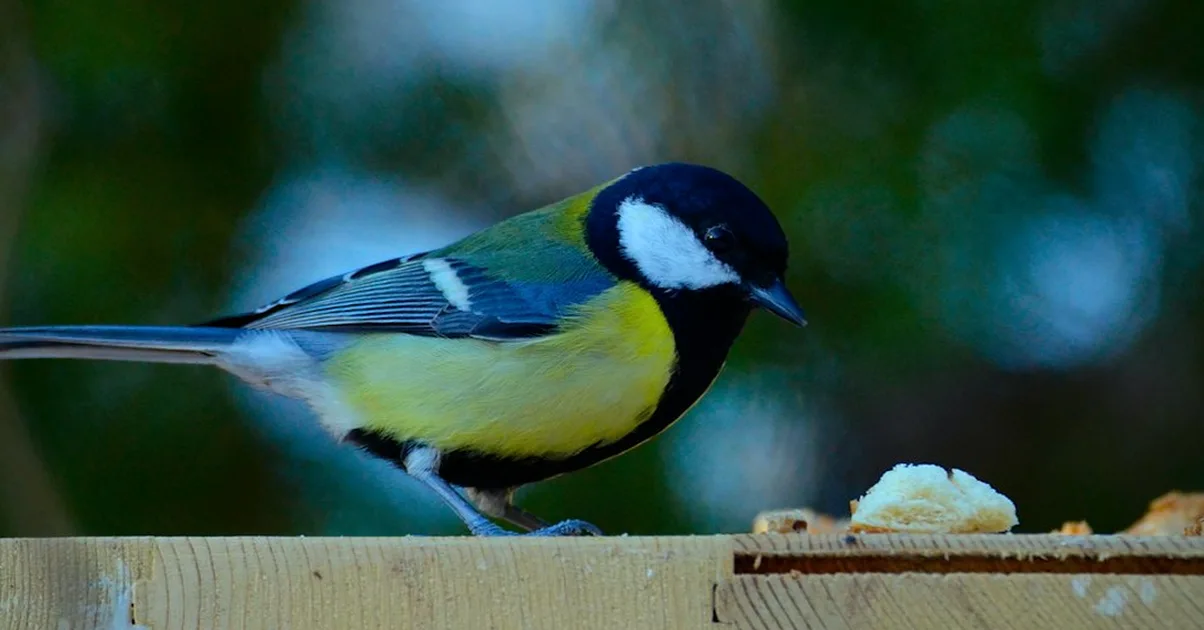
The best choice combines food, species, feeder design and weather. Sunflower hearts suit many small birds in a tube feeder, while whole peanuts belong in a fine-mesh peanut cage, not loose on a table during nesting season.
| Food | Likely visitors | Best feeder | Season and refill | Main risk |
|---|---|---|---|---|
| Sunflower hearts | Tits, finches, sparrows | Seed tube | All year, 1 to 2 days in summer | Damp clumping |
| Black sunflower seed | Tits, greenfinches | Seed tube or tray | Autumn and winter, 2 to 4 days | Husk litter |
| Whole peanuts | Tits, nuthatches, woodpeckers | Fine-mesh peanut feeder | All year, small amounts | Choking risk if loose |
| Suet balls | Starlings, tits, robins | Suet cage | Best in cold months, 2 to 3 days | Softening in heat |
| Mealworms | Robins, blackbirds, starlings | Shallow dish | Spring and summer, daily | Overfeeding fledglings |
Peanuts need a mesh cage
Whole peanuts can be safe, but only in a proper fine-mesh feeder. The mesh makes birds peck small pieces, like grating cheese rather than handing someone a hard block to swallow.
Food for warm and cold months
A small bag of sunflower hearts is a sensible first buy for a tube feeder because most waste stays low. Choose a bag size that will remain dry and fresh once opened.
- Feeds tits, finches and house sparrows without leaving piles of empty husks
- Works in standard seed tubes and many squirrel-proof feeder models
- Allows smaller summer refills that can be checked and replaced easily
Kitchen leftovers should be a small, occasional part of supplementary bird feeding, not a replacement for balanced garden bird food. Suitable options include a few soaked unsalted raisins, soft chopped apple, plain cooked rice, cooked potato and small pieces of plain pastry, all placed out in quantities birds can finish that day. Soak dried fruit first and remove uneaten food before nightfall, especially in warm weather. Never offer milk, chocolate, salty crisps, leftovers, mouldy bread, spoiled food or greasy cooking fat from roasting trays: salt, mould and rancid fats can harm birds or make feeding areas unhygienic.
Plain commercial suet products are a safer choice than kitchen fat. During nesting season, feeding should focus on fresh, manageable portions rather than large piles of scraps.
Choose the feeding position as carefully as the food itself. A seed tube keeps sunflower hearts and black sunflower seed drier and reduces contamination from droppings, while a bird table suits soft fruit, cooked leftovers and small trays that can be cleared daily. Ground feeding can attract blackbirds, robins and dunnocks, but food should be scattered sparingly on a clean, dry surface and removed if rats, pigeons or sick birds gather. Use a raised cage or tray for suet balls and mealworms where possible, as this limits waste and makes cleaning easier.
Whole peanuts always belong in a fine-mesh peanut feeder, never loose on the ground or table, because adults can remove smaller fragments safely during the breeding season.
Stop, clean and restart after illness
If several birds look ill, stop feeding for a short period and clean every feeding surface before restarting. This simple protocol is more useful than endlessly topping up a dirty tube feeder.
A practical cleaning routine
Empty old food before cleaning. Brush away debris, wash hard surfaces, disinfect according to the product label, rinse well and air-dry completely. Wash hands afterwards and keep feeder brushes away from kitchen items.
Ground, table, tube or cage?
During summer bird feeding, act promptly if more than one bird shows similar signs of illness, such as swollen eyes, lethargy, diarrhoea or repeated deaths at the same site. Remove all food and water feeders, dispose of remaining food rather than saving it, and clean bird feeders, trays and water dishes separately from household equipment. Scrub first, disinfect as directed on the product label, rinse thoroughly and allow every item to air-dry fully.
Many UK bird disease alerts use a two-week feeding break as a precaution, although any local RSPB, DEFRA or wildlife-health instruction takes priority. Restart only with fresh bird food in small amounts when no further sick birds are being seen, and move feeders periodically to support better garden bird health.
Your questions answered
Should I stop feeding birds in summer in the UK?
No, you can feed birds in summer if food is fresh, feeders are clean and no official disease warning applies. Use smaller amounts that are eaten within 1 to 2 days during warm or wet weather.
What does the RSPB recommend for bird food?
The RSPB recommends varied, good-quality food, fresh water and clean feeding equipment. Sunflower hearts, seed mixes, suet and mealworms all have a place when offered in suitable feeders.
What is the best bird food for most gardens?
Sunflower hearts are a low-waste choice for many British garden birds. They suit tube feeders and commonly attract tits, finches and house sparrows throughout the year.
Can I put peanuts on a bird table?
No, whole peanuts should go in a fine-mesh peanut feeder, especially in breeding season. Loose nuts can be too large for chicks if an adult bird carries one to the nest.
What kitchen food can I give garden birds?
Offer tiny amounts of unsalted soaked raisins, soft apple, plain cooked rice or potato. Do not give milk, salty leftovers, mouldy bread, chocolate, greasy cooked fat or spoiled food.
How often should I clean bird feeders?
Clean feeders weekly in normal conditions and every 2 to 3 days during warm, wet or very busy periods. Clean immediately if seed is wet, clumped, mouldy or contaminated with droppings.
When can I feed birds again after illness?
Restart with small amounts of fresh food only after all equipment is cleaned, rinsed and fully dry. Check official RSPB or DEFRA advice first if a local disease event has been reported.
Choose a small, clean starting setup
Start with one tube feeder, sunflower hearts and a shallow water dish. Refill lightly, empty old food instead of topping it up, and watch which birds visit before adding new foods.
A simple setup makes problems easier to spot. It also lets you decide whether a bird table, peanut cage or squirrel-proof feeder would solve a real need rather than adding clutter.
- Feed garden birds year-round unless illness, contamination or an official alert calls for a pause.
- Match food to the feeder, with whole peanuts kept inside a fine-mesh cage.
- Use small summer refills and replace anything damp, clumped or stale.
- Clean water, trays and feeding surfaces as carefully as the feeder itself.
Advertisement
Learn more
Here are some additional resources on this subject:
- Our latest guidance on feeding garden birds — rspb.org.uk
- Bird feeding | what & when to feed birds in your garden — rspb.org.uk
- Bird Food for Garden Birds — shopping.rspb.org.uk

Editorial Team
Our team consists of passionate British birdwatchers and garden wildlife enthusiasts. We provide honest, practical advice on feeding garden birds, choosing the right feeders, and making your outdoor space a haven for UK wildlife — guided by RSPB best practice and real garden experience.
The information on this website is provided for general guidance only. Always follow RSPB and BTO best practice when feeding garden birds. Product recommendations may include affiliate links — see our disclosure policy for details.