Table of Contents
Advertisement
A free bird-water station is useful — but only if it is safe
The Cambridge News article highlights a particularly accessible way to make a UK garden more appealing to robins and blackbirds: putting out water. It is sound advice, especially during late summer, when natural puddles and damp soil can disappear quickly after dry weather. Yet the useful point is not simply that a bowl of water will make birds ‘return’. The real lesson is that water is a daily wildlife requirement, and a well-managed water source can make a garden reliably valuable to resident birds.
For robins and blackbirds, water has two jobs. They need it for drinking, particularly after feeding on dry seed, berries or invertebrates in warm conditions. They also need it for bathing. Bathing helps birds maintain feather condition by loosening dirt and parasites, then allowing them to preen effectively. Clean, correctly positioned water can therefore be as important as supplementary food — and sometimes more attractive than another feeder full of seed.
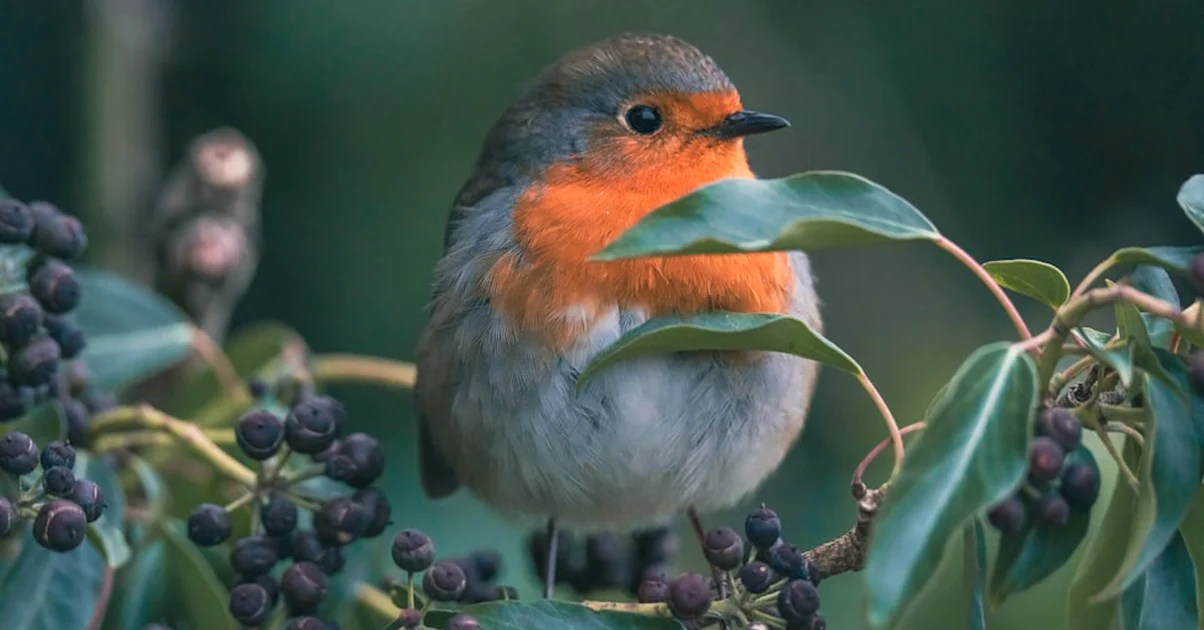
Why robins and blackbirds respond to water
Robins and Eurasian blackbirds are familiar garden visitors, but they do not use gardens in the same way as tits visiting a hanging seed feeder. Both species often feed at ground level or in low vegetation. Blackbirds probe lawns, borders and leaf litter for worms, beetles and fallen fruit; robins hunt insects, spiders and larvae around shrubs, pots and compost-rich areas.
A shallow bird bath or low dish suits this behaviour because it gives them a predictable place to drink and wash near the cover they already use. In late August, this can be especially relevant. Adult birds are completing or have recently completed their annual moult, young birds may still be establishing territories, and gardens can be dry following prolonged sunny spells. A dependable water source reduces the need to travel further to find a safe drink.
However, readers should be wary of a common misunderstanding: water is not a tool for making wild birds dependent or for guaranteeing repeat visits. Robins and blackbirds are attracted by a combination of shelter, food, low disturbance, nesting opportunities and water. The water dish is most effective when it forms part of a garden that offers those basics.
Advertisement
Choosing the right container
Shallow beats deep
A purpose-made bird bath is convenient, but it is not essential. A shallow ceramic plant saucer, a wide terracotta dish or a robust low bowl can work well and costs nothing if it is already in the shed. Avoid deep buckets, smooth-sided tubs and tall containers from which a bird could struggle to escape.
Aim for water no deeper than around 2.5–5 cm at its deepest point. Ideally, the container should have gently sloping sides. If it does not, add several clean stones or a layer of gravel to create shallow edges and secure footing. Birds need to be able to walk into the water rather than perch precariously on a narrow rim.
Do not use containers that have held paint, chemicals, fertiliser, antifreeze or cleaning products. Even careful rinsing may not remove harmful residues. A dedicated dish is the safer choice.
Give birds grip and a route out
Glazed bowls can be slippery. A few large, stable pebbles offer texture and make the water accessible to smaller birds as well as blackbirds. Check that stones cannot tip or trap debris beneath them. The goal is a shallow bathing shelf, not an obstacle course.
Placement matters more than many gardeners realise
A water dish placed in the middle of a bare lawn may give a clear view of approaching predators, but birds can feel exposed while bathing. Conversely, placing it directly inside dense shrubs can provide a concealed ambush point for cats. The best compromise is an open position with clear sight lines, around 1–2 metres from a shrub, hedge or other cover. Birds can scan the area while having a quick escape route.
Keep the bath away from places where cats routinely wait, such as beside a fence, shed wall or thick groundcover. If cats are frequent visitors, choose a raised bird bath with a broad, stable base, or position a shallow dish on a sturdy table where a cat cannot easily lie in wait. Height alone is not a complete answer: birds still need a safe approach and a way to leave quickly.
Avoid positioning water directly beneath feeders. Seed husks, droppings and spilled food will contaminate it rapidly. Likewise, do not place it beside a compost heap if it becomes busy with rats, or where garden chemicals may wash into it after rain.
Hygiene is the practical issue behind a successful bird bath
The headline appeal of a ‘free item’ can obscure the maintenance required. Stagnant, dirty water is not a wildlife feature. It can harbour faecal contamination, algae and disease-causing organisms, particularly when several birds bathe in the same small dish.
Refresh the water every day in warm weather and whenever it looks cloudy or contains droppings, feathers or food. At least once a week, scrub the container with a stiff brush and hot water, then rinse thoroughly before refilling. If a bird looks ill — for example, is unusually lethargic, fluffed up for long periods or has visible lesions — remove feeders and water stations temporarily, clean them carefully and follow current guidance from a recognised wildlife health organisation.
Do not add disinfectant, bleach, soap, salt or ‘water treatment’ products to a bird bath unless a veterinary or wildlife-health authority specifically recommends a method. Plain fresh water is what birds need.
Winter care and hot-weather care
During heatwaves, water can be the most immediately useful thing a gardener provides. Put it out early, top it up in the evening and site it out of all-day direct sun where possible. A shaded or partly shaded position slows evaporation and algae growth.
In frost, provide unfrozen water by replacing it with lukewarm water as needed. Never pour boiling water into a ceramic bath and never use antifreeze or chemical de-icers. A floating ball may slow freezing in a larger container, but regular checks are more reliable for a small garden bath.
Advertisement
Build a garden that gives birds a reason to stay
Water will attract more regular use when it is combined with natural feeding habitat. Leave a small patch of leaf litter beneath shrubs, plant berry-bearing species suitable for your space, retain some ivy or dense native hedging, and avoid routine pesticide use. These measures support the insects and invertebrates that robins and blackbirds naturally seek.
Supplementary food can help, but choose it carefully. Robins may take mealworms, softbill mixes and finely chopped soaked raisins in moderation. Blackbirds also enjoy soaked raisins, apple pieces and other suitable fruit. Put these foods on a clean ground tray or low table rather than mixing them into the water. Remove uneaten fresh food before it spoils, especially in warm weather.
The bigger implication of the Cambridge News advice is that effective wildlife gardening does not always mean buying another gadget. It means identifying what birds lack at a particular time of year and offering it consistently without creating avoidable risks. A clean, shallow dish of water is inexpensive, immediately practical and valuable to far more than robins and blackbirds: wrens, dunnocks, starlings, house sparrows and even visiting hedgehogs may benefit if it is safely designed.
A simple checklist before putting water outside
- Use a shallow, stable, chemical-free dish.
- Add clean stones or gravel if the sides are steep or slippery.
- Place it near, but not inside, protective cover.
- Keep it away from feeders and known cat ambush spots.
- Change the water daily in warm weather.
- Scrub it regularly with hot water and a dedicated brush.
- Make water part of a wider garden habitat, not the only resource offered.
FAQ
Will a bowl of water attract robins straight away?
It may, but there is no fixed timetable. Birds need to discover the water and judge whether the location feels safe. A quiet, clean bath kept in the same position is more likely to gain regular users than a dish moved frequently.
Can I put a bird-water dish on the ground?
Yes, provided it is shallow, stable and placed where cats cannot easily ambush bathing birds. Ground-level water can suit blackbirds particularly well, but a raised bath may be preferable in gardens with persistent cat activity.
How often should I clean a bird bath?
Replace dirty water immediately and refresh it daily during warm weather. Scrub the bath at least weekly with hot water and a brush. More frequent cleaning is sensible when many birds use a small container.
Should I put food in the water to attract blackbirds?
No. Food quickly fouls the water and can increase hygiene risks. Offer suitable food separately on a clean tray, and keep drinking and bathing water clear.
Source: Cambridge News — Sun, 23 Aug 2026 10:07:00 GMT

Editorial Team
Our team consists of passionate British birdwatchers and garden wildlife enthusiasts. We provide honest, practical advice on feeding garden birds, choosing the right feeders, and making your outdoor space a haven for UK wildlife — guided by RSPB best practice and real garden experience.
The information on this website is provided for general guidance only. Always follow RSPB and BTO best practice when feeding garden birds. Product recommendations may include affiliate links — see our disclosure policy for details.