A garden bird feeder stand must support the combined weight of full feeders, water and wildlife without leaning, twisting or falling. Choose it for your ground, full load and squirrel pressure rather than its number of hooks.
Table of Contents
Advertisement
Choose a feeder stand by ground and full load
Match the pole, fixing and load limit to your surface: ground-spiked stations suit firm soil, while weighted bases suit level patios.
Match the stand to your surface
A ground spike works best in firm, undisturbed soil; use a weighted base on paving, decking or gravel.
| Stand type | Best surface | Practical feeder load | Use it when |
|---|---|---|---|
| Ground-spiked feeding pole | Firm lawn or border | 1 to 3 feeders | You need a small, movable setup |
| Multi-hook bird feeding station | Deep, firm soil | 3 to 5 feeders, within its rating | You feed several garden bird species |
| Weighted patio-base stand | Level paving or decking | 1 to 3 feeders | A spike cannot enter the surface |
| Wooden bird table frame | Fixed lawn position | Food tray rather than hanging feeders | You want a permanent table for larger birds |
What makes a stand genuinely heavy duty?
Choose a stand with a declared safe load, thick pole, firm locking collars and rigid joints; hook count alone does not show stability.
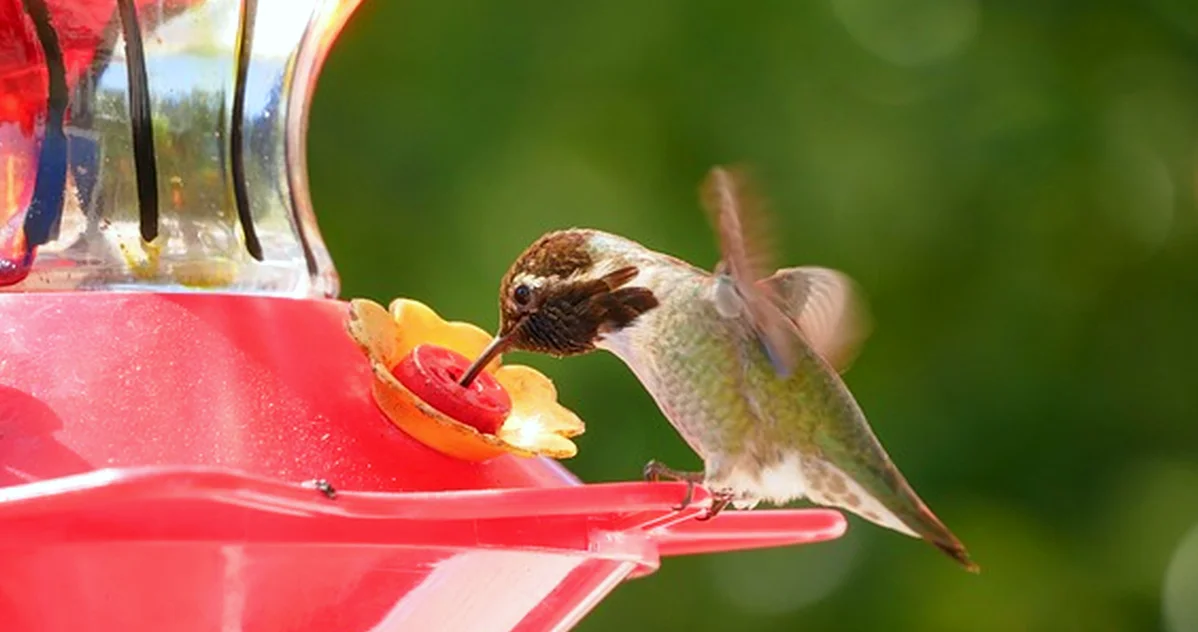
Calculate the real feeder load before buying
The safe load includes full feeders, trays, baffles and birds, with spare capacity for wind, rain and moving weight.
Weigh feeders when they are full
Weigh every feeder after filling it, including hooks, trays and baffles; wet food and visiting pigeons can add significant force.
Leave capacity for weather and birds
Keep 25 to 40 per cent of the stated load unused so the stand can cope with gusts, damp food and birds landing together.
A metal stand with a proper ground spike or broad patio base makes sense once you have more than one full feeder. Compare the stated load and fixing method before comparing decorative extras.
- Holds seed, peanut and suet feeders at separate heights
- Allows a squirrel baffle to sit below the feeder arms
- Creates one clear area for sweeping up fallen seed
Accessories change both capacity and balance, so assess them before treating a stand as a complete bird feeding station. A seed tray catches husks but can collect rainwater and adds leverage below the hooks; a water dish should sit on a low, centred support rather than one side of the pole. Check that a squirrel baffle has enough clear space beneath the feeder arms and that it does not interfere with a bird feeder stand’s anchor or patio base.
For a heavy duty bird feeder stand, compare the stated feeder stand load limit with the full loaded weight of every feeder, tray, baffle and water container. A weatherproof bird feeder stand with compatible collars, hooks and a bird table frame attachment is more useful than a model with many unsupported accessories.
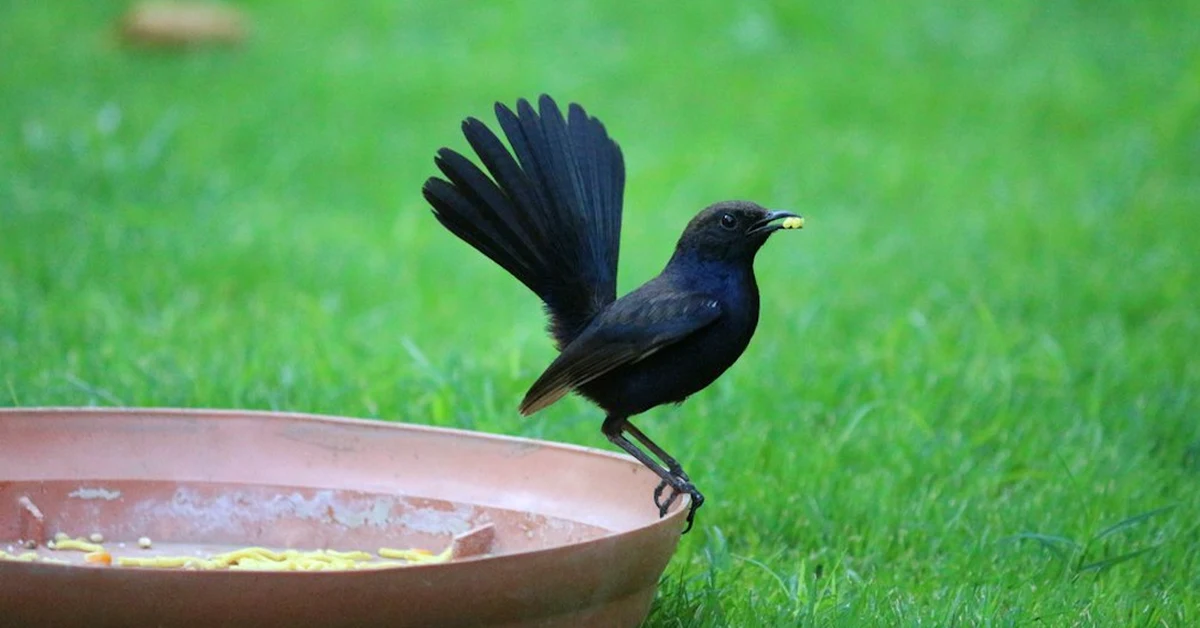
Anchor and place the stand safely
Use a long spike in firm soil or a purpose-made weighted base on hard surfaces, then position the station away from hazards.
Test spikes in soil and clay
Push the spike fully into undisturbed ground and test the pole in every direction before adding feeders, especially after winter rain.
Use a proper base on patios
Use a broad, heavy base on level slabs, never a light parasol base or a spike hidden in loose gravel.
Keep squirrels and mess manageable
Fit baffles correctly, keep the stand away from fences and branches, and sweep fallen seed to discourage rats and reduce waste.
| Season | Stand check | Feeder hygiene task |
|---|---|---|
| Spring | Check joints after storms | Wash feeders and remove wet seed |
| Summer | Check base for movement | Clean every few days in warm spells |
| Autumn | Inspect rust and tighten collars | Clear husks and spilled seed |
| Winter | Retest the spike after saturated ground | Keep food dry and replace spoiled fat |
Installation needs to match the ground as well as the stand. In firm garden soil, a ground-spiked feeding pole should be pressed vertically into undisturbed earth rather than a recently dug planting hole. Heavy clay can hold a spike securely when dry but may loosen after prolonged rain, so retest it before refilling feeders. On gravel, remove loose top stones and use only a compacted, level area for a weighted patio base; loose gravel is not a reliable substitute for an anchor.
A patio bird feeder stand needs flat paving and enough clear space around its base. On terraces and balconies, check building rules, wind exposure and the surface’s permitted load before using a weighted base, and keep the setup modest and easy to remove.
Before fixing a garden bird feeder pole, walk through a simple location check. Leave enough open space to see approaching cats, while keeping nearby shrubs within a short flight of the feeders so small birds have cover after feeding. Position garden bird feeders away from busy doors, washing lines and seating areas, and avoid placing them directly beside large panes of glass; moving a feeder very close to a window or several metres away can reduce the risk of collision.
Keep the pole beyond jumping distance from fences, sheds and overhanging branches that give squirrels a launch point. Make sure you can reach every hook safely for cleaning, that fallen seed can be swept up, and that rainwater will not pool around the base.
What people ask
How deep should a bird feeder pole go into the ground?
A bird feeder pole should have its spike fully inserted into firm, undisturbed soil.
Can I put a bird feeder stand on a patio?
Yes, if it has a broad weighted base on level paving.
How do I stop a bird feeder stand falling over?
Reduce the load, improve the anchor and check collars after severe weather.
Where should I put a bird feeder stand in my garden?
Place it 2 to 3 metres from dense cat cover and away from squirrel launch points.
Set up a stable feeding area this week
Choose the fixing before the hook count, then inspect the loaded stand regularly through every season.
- The essentials: calculate the weight of full feeders, trays and baffles, then leave 25 to 40 per cent spare capacity.
- The essentials: use a ground spike only in firm soil, and use a stable weighted base on level paving.
- The essentials: place the station clear of cat ambush cover, glass hazards and squirrel launch points.
- The essentials: clean feeders, remove fallen food and inspect rust and loose joints through every season.
Advertisement
Learn more
Here are some additional resources on this subject:
- Bird Feeding Stations | Bird Feeder Station — lovegardenbirds.co.uk
- Bird Feeding Station | Bird Feeding Stands | GardenBird — gardenbird.co.uk
- Bird feeding stations | Bird care — diy.com

Editorial Team
Our team consists of passionate British birdwatchers and garden wildlife enthusiasts. We provide honest, practical advice on feeding garden birds, choosing the right feeders, and making your outdoor space a haven for UK wildlife — guided by RSPB best practice and real garden experience.
The information on this website is provided for general guidance only. Always follow RSPB and BTO best practice when feeding garden birds. Product recommendations may include affiliate links — see our disclosure policy for details.