A good nyjer seed feeder has narrow, smoothly finished ports that goldfinches can use without pouring expensive seed below. Choose a feeder for the seed size, then place and maintain it so spills stay manageable.
Table of Contents
Advertisement
Pick by port fit, not the nyjer label
Choose a specialist feeder with fine feeding ports: small, rounded holes that hold seed in place until a bird picks it out. Niger and nyjer are names for the same small seed in UK searches and listings, but neither name guarantees that a tube will stop spills.
Which feeder holds fine seed best?
| Feeder type | Typical UK price | Ports and capacity | Best garden fit |
|---|---|---|---|
| Basic specialist tube | £8 to £15 | 2 to 4 fine ports, about 150 to 250 g | Small, sheltered garden |
| Tube with seed tray | £15 to £25 | 4 to 6 fine ports, about 250 to 500 g | Garden with wind or paved ground |
| Large weather-shielded tube | £25 to £40 | 4 to 6 ports, about 400 to 700 g | Busy feeding station, checked often |
| Generic wide-port tube | £5 to £15 | Large ports, varied capacity | Not suitable for fine seed |
Does a tray save seed or add mess?
A specialist seed tube is the usual choice for a first nyjer seed feeder, but it is not the only useful format. Metal models generally withstand repeated cleaning and squirrel knocks better than lightweight plastic, provided their joins remain tight. A clinger feeder, with mesh or a purpose-made fine-seed surface, lets goldfinches cling naturally and can also appeal to siskins and redpolls; however, it needs particularly careful cleaning because damp seed can lodge in the feeding surface.
Choose a conventional tube where you want controlled portions at fine feeding ports, and choose a clinger only when you can inspect it frequently and keep it dry. In either case, the small port size helps discourage larger birds from taking over.
When comparing models, look beyond capacity and count the features that affect daily use. A bird feeder seed tray can catch husks and the occasional dropped grain, but it should lift off without tools so wet debris does not sit beneath the ports. A weather-shielded feeder is useful in exposed gardens, although no hood makes a feeder fully rainproof when wind drives water upwards. For seed feeder cleaning, a tube that separates into a removable base, tube and lid is usually more practical than one with fixed seams.
A leak-proof bird feeder should also have snug joins: check that the tray does not pull away when lightly twisted and that no seed spillage appears around unused ports after the home tilt test.
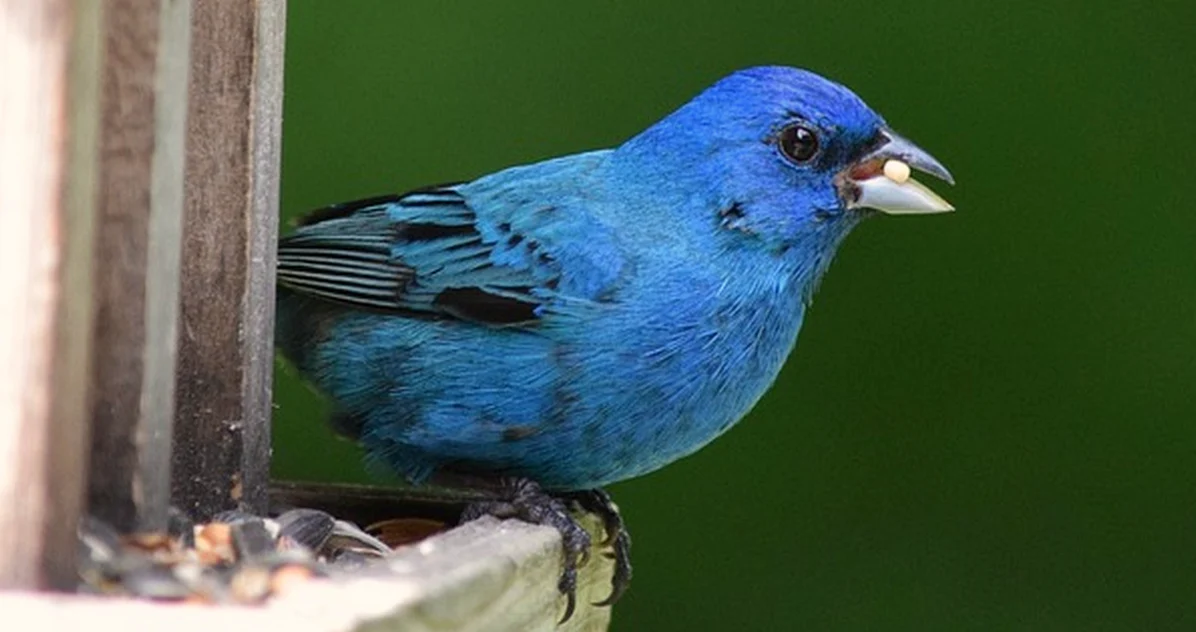
Why a full tube leaks niger seed
Test any new feeder with a small amount of seed before hanging it outside, as this reveals whether ports, seams and tray fittings keep seed inside when the feeder tilts in wind.
How do I test for leaks at home?
Place the feeder over a clean tray and add two or three tablespoons of seed. Gently rotate it, tip it about 45 degrees, tap the base, then hold it by its hanging loop and make a small swinging movement. A few grains may move, but a visible trickle from unused ports, the base join or tray clips means it will waste seed outdoors.
Which faults widen feeding ports?
Rough moulding, cracked inserts and warped plastic can turn a fine port into a pouring gap. A small sharp ridge left from moulding can also stop a port cover or seed guard sitting flush, while a loose base may leak whenever the feeder swings.
Advertisement
Place it to cut spills and rodent access
Hang the feeder about 1.5 to 2 metres above ground in an open spot with a cleanable surface below, as this makes routine checks easier and reduces access for ground animals.
How high and how far from cover?
Keep the feeding point away from dense shrubs where cats or rats can wait unseen, while leaving a hedge or shrub several metres away for cover. A stable pole is usually better than a flexible branch because it reduces swinging and seed loss.
A fine-port tube is worth comparing when a standard feeder has already scattered seed. Prioritise removable parts and a secure tray over a larger capacity.
- Narrow ports keep tiny niger seed from pouring out during normal movement
- A removable tray makes daily clearing of wet fallen seed much easier
- Smaller refill sections help seed stay dry during damp UK weather
Where should fallen seed be cleared?
Remove fallen seed, husks and droppings every day or two from paving, trays and bare soil. Avoid hanging above compost, thick groundcover or forgotten corners where damp seed and rodent activity are harder to spot.
Keep a niger feeder separate from busy mixed-seed, peanut and suet stations rather than hanging everything on the same crowded pole. A gap of a few metres gives small finches a quieter approach and makes it easier to identify where niger seed spills are coming from. If pigeons, starlings or sparrows gather beneath nearby feeders, move the goldfinch feeder to its own stable hook and use only fine seed in it; mixed food can attract birds that are not looking for goldfinch food.
This layout also supports rodent-resistant bird feeding: clear the ground under each station separately, remove old husks and avoid allowing fallen food from several feeders to build up in one place.
Keep seed dry and feeders safe in UK weather
Fill for between three and seven dry days rather than for a month, because moisture can clump small oily niger seed inside the ports and leave stale food that birds avoid.
Why do goldfinches ignore it?
Goldfinches may take 7 to 14 days to notice a new food source, and longer when natural food is plentiful. Leave the feeder in one reliable place, use fresh seed and avoid changing feeder type every few days.
What causes blocked ports?
Wet seed, compacted seed and droppings can block a fine port. Empty the tube, brush the port area, wash it, dry it fully and refill only a modest amount.
Questions & answers
What is the best niger seed feeder in the UK?
The best type has narrow smooth ports, a tight base and parts you can wash easily. Expect to pay roughly £15 to £25 for a useful tray-equipped model, but test it before a full refill.
What type of feeder is best for nyjer seed?
A dedicated fine-port tube is best for nyjer seed because ordinary wide-port tubes leak small grains. Mesh bird feeders are generally better suited to peanuts or suet, not loose fine seed.
Does niger seed attract rats?
Niger seed can attract rats when it builds up on the ground beneath a feeder. Clear spills every one or two days and avoid placing the feeder beside dense cover or compost.
Advertisement
Make the next refill a fair test
A good result is a dry, stable feeder with little seed beneath it, not an instant flock of goldfinches. Refill lightly, watch the ground for a week and change one thing at a time if there is a problem.
- The essential point: choose fine, smooth ports rather than trusting the word niger or nyjer on a product listing.
- The practical check: tip and gently shake a partly filled feeder over a tray before it goes outdoors.
- The safer setup: hang it 1.5 to 2 metres high over a surface you can clear regularly.
- The seasonal habit: use three to seven days of seed at a time and wash the feeder before food becomes damp.
For the next choice, compare bird feeder hygiene routines or read how to choose food for garden goldfinches.
Will niger seed grow in the UK?
Niger seed can grow in the UK if spilled seed remains viable and conditions suit it. Remove dropped seed and any seedlings, because bird seed is not always heat-treated to stop germination.
Learn more
Here are some additional resources on this subject:
- Niger Seed Feeders – Haith's UK — haiths.com
- Niger Seed Bird Feeders — gardenwildlifedirect.co.uk
- Nyjer / Niger Seed Bird Feeder Range — shopping.rspb.org.uk

Editorial Team
Our team consists of passionate British birdwatchers and garden wildlife enthusiasts. We provide honest, practical advice on feeding garden birds, choosing the right feeders, and making your outdoor space a haven for UK wildlife — guided by RSPB best practice and real garden experience.
The information on this website is provided for general guidance only. Always follow RSPB and BTO best practice when feeding garden birds. Product recommendations may include affiliate links — see our disclosure policy for details.