Table of Contents
Advertisement
The RSPB’s green light is permission to feed — not permission to be careless
BirdGuides reports that the RSPB has issued a green light for winter bird feeding. For householders who paused, reduced or questioned their feeder use over recent seasons, that will be welcome news. Autumn is the point at which many familiar garden visitors begin relying more heavily on predictable food sources: natural berries diminish, insects become less available, and colder nights raise the energy needed simply to stay warm.
However, the practical message should not be interpreted as “put out as much food as possible and leave it there”. Feeding birds is most valuable when it is reliable, clean and suited to the species using the garden. A poorly maintained feeding station can concentrate birds, allow old food to become damp or mouldy, and increase contact with droppings. The green light therefore comes with a responsibility: make the feeding station safer before winter demand builds.
For UK gardens, this is also an opportunity to move beyond a one-size-fits-all bag of seed. The best winter setup combines appropriate foods, sensible feeder placement, regular cleaning and a supply of unfrozen water.
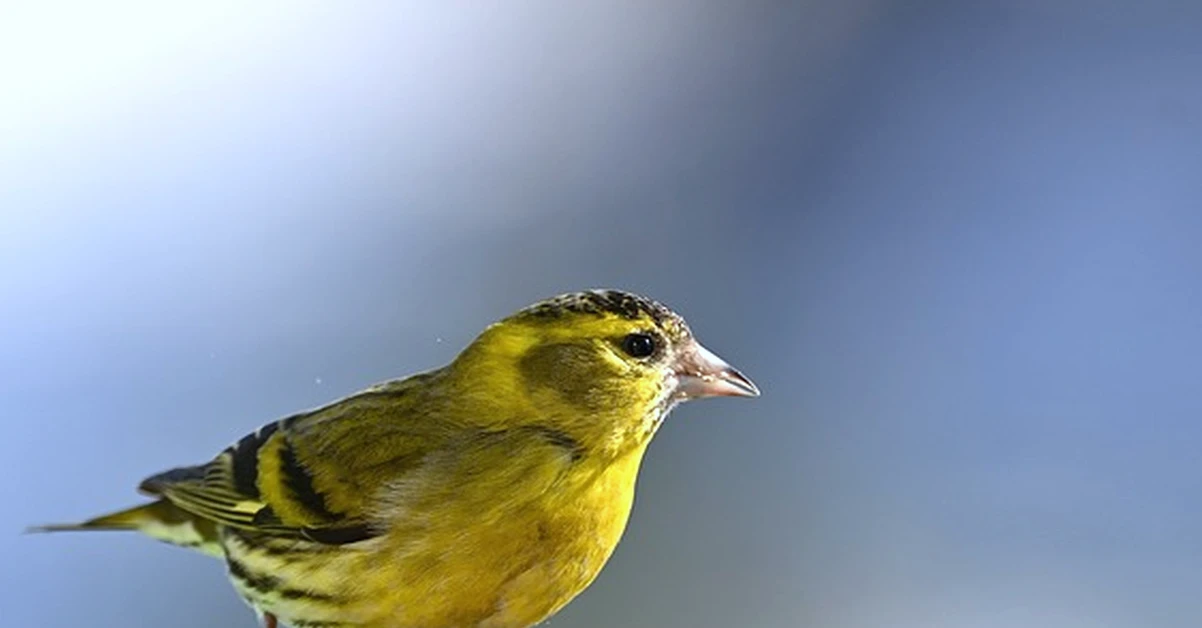
Why winter feeding matters in British gardens
Small birds have limited energy reserves. A blue tit, wren or goldcrest must find enough calories during short winter days to survive a long, cold night. Frost and snow can make access to invertebrates and ground food particularly difficult, while high winds and prolonged rain reduce foraging time.
Supplementary food does not replace natural habitat. Native hedges, berry-bearing shrubs, seedheads left standing and leaf litter all remain crucial. Yet in a typical tidy suburban garden, these resources may be scarce or intermittent. A well-run feeder can offer an important buffer during harsh weather, especially when natural foods are inaccessible rather than absent.
The greatest value often comes from consistency. Birds learn where dependable food is available and may incorporate it into their daily movements. If you start feeding during winter, aim to maintain a modest supply rather than filling feeders once a fortnight. Empty feeders are not automatically harmful—wild birds should still forage naturally—but erratic provision is less useful than a routine that you can realistically sustain.
The timing is important
Early September is a sensible time to inspect equipment rather than waiting for the first frost. Feeders may have cracked in summer sunlight, accumulated residue in seams, or become blocked by wet seed. Preparing now means birds can find clean food as seasonal conditions become tougher.
It is also a good time to assess whether your garden attracts large flocks at one feeder. Heavy crowding is a warning sign that more feeding points, spaced apart, may be preferable to one busy station.
Advertisement
The health issue behind responsible bird feeding
Garden feeding brings birds into closer contact than they might otherwise have in the wider landscape. That concentration can increase the opportunity for diseases to spread, particularly where feed, perches and surrounding ground are contaminated with faeces.
The answer is not necessarily to stop feeding at the first sign of mess. It is to make hygiene part of feeding, in the same way that cleaning a pet’s bowl is part of feeding a pet.
A practical hygiene routine
At minimum, clean feeders regularly and more often when they are heavily used or wet. Use a dedicated brush and a disinfectant suitable for bird-feeding equipment, following its label instructions. Rinse thoroughly and allow the feeder to dry before refilling. Wash hands after handling feeders, seed and bird tables.
Remove wet clumps of seed promptly. Damp food can spoil quickly, particularly in tube feeder ports and on open trays. Instead of overfilling feeders, put out an amount birds will eat in a day or two and refill as needed.
Also clean the area beneath feeders. Rake or remove discarded husks and soiled food where practical, and rotate the location of ground feeding patches or movable feeding stations. This reduces the repeated build-up of waste in one place.
If you see several birds that are lethargic, unusually fluffed-up, struggling to swallow, or showing signs of illness, temporarily stop feeding at that station, remove remaining food, and clean all equipment thoroughly. Recording unusual mortality through the appropriate wildlife health reporting route can help researchers understand emerging problems. Avoid handling sick or dead birds with bare hands; use gloves or an inverted bag, then wash hands carefully.
Choosing foods that help rather than simply attract birds
A diverse feeding station serves more species and avoids dependence on cheap seed mixes dominated by filler grains. Choose foods according to the birds already visiting your garden.
Best core foods for winter
- Sunflower hearts: A high-energy, low-mess option attractive to finches, tits, nuthatches and robins. Because they have no husks, they create less waste beneath feeders, although they should still be kept dry.
- Peanuts: Offer only in a proper mesh feeder, not loose piles, so birds take small pieces safely. Use fresh, aflatoxin-tested wildlife peanuts from a reputable supplier.
- Quality seed mix: Look for mixes with sunflower, millet and small grains rather than a high proportion of wheat or split peas, which many garden birds leave behind.
- Suet products: Fat-based foods can provide valuable energy in cold weather. Choose products without loose plastic mesh, which can trap feet or be left as litter.
- Mealworms: Useful for robins, blackbirds and starlings, particularly if soaked briefly in water. They are best treated as one element of a varied offering rather than the entire diet.
- Apples, pears and soft fruit: Small pieces placed on a clean bird table or ground tray can attract blackbirds, fieldfares and redwings when these winter thrushes are present.
Avoid salty kitchen scraps, mouldy bread, foods coated in fat, and anything that has spoiled. Bread is not poisonous in small quantities, but it is nutritionally poor compared with seeds, suet and natural food, and it becomes unpleasant quickly when wet.
Match feeder design to the birds and the garden
Tube feeders suit seed-eating birds such as goldfinches and blue tits. Peanut feeders serve tits, nuthatches and great spotted woodpeckers. Ground trays or low tables can help robins, dunnocks, blackbirds and wrens, but they need particularly careful cleaning because they are more exposed to droppings, rain and visits from rodents.
Place feeders where birds have a clear view of approaching cats, but are close enough to dense shrubs or a hedge for a quick escape. A position around two metres from cover is often a useful compromise: not hidden within a cat’s ambush zone, but not exposed in the centre of an open lawn.
Windows require thought too. To reduce collision risk, place feeders either very close to the glass—roughly within one metre—or much farther away, ideally more than ten metres. The most hazardous middle distance gives birds enough room to build speed if startled.
If squirrels dominate, use a weight-activated feeder or a baffled pole. This is not about excluding wildlife from the garden; squirrels need habitat too. It is about preventing one adaptable species from emptying food intended for a broader range of birds within hours.
Advertisement
Water may be as valuable as food
Winter feeding plans often overlook water. Birds need it for drinking and preening, and hard frosts can remove access to shallow puddles and soft ground. Keep a bird bath clean, shallow and regularly refreshed. On icy mornings, remove ice and add lukewarm—not hot—water. Never use antifreeze, salt or chemical de-icers.
A rough stone or shallow dish in the water gives smaller birds a secure footing. Clean the bath frequently, particularly where pigeons, starlings or blackbirds use it heavily.
A sensible action plan for the next seven days
- Empty, dismantle and clean every feeder before routine winter use begins.
- Replace damaged ports, perches and cracked plastic where food can become trapped.
- Start with two complementary foods, such as sunflower hearts and suet, rather than filling several feeders with one cheap mix.
- Add a clean water source and check it daily in frosty weather.
- Keep quantities modest for the first week so you can see what is eaten and what is being wasted.
- Watch bird behaviour. If a feeder becomes crowded, dirty or dominated by one species, add space or change the setup rather than simply adding more food.
- Make cleaning a calendar task. A feeding station only remains wildlife-friendly if maintenance is routine.
FAQ
Should I feed garden birds every day in winter?
Daily checks are ideal, especially in cold weather. You do not need to overfill feeders, but maintaining a clean and reasonably dependable supply is more useful than occasional large amounts that become stale or wet.
Can I feed birds when there is a disease concern?
Follow current guidance from recognised conservation and wildlife-health organisations. Where feeding is permitted, strict cleaning, removing spoiled food and reducing crowding are essential. If several birds appear sick at your feeding area, pause feeding there and disinfect equipment.
What is the best single food for UK garden birds in winter?
Sunflower hearts are an excellent all-round choice because they are energy-rich, widely accepted by many species and leave relatively little husk waste. Adding suet and a suitable water source creates a stronger winter provision.
Will feeding birds make them dependent on my garden?
Garden birds continue to use natural foods and forage across their territories. Supplementary feeding is best viewed as an additional resource, particularly useful during difficult weather, not as their sole food supply. Maintaining shrubs, seedheads, leaf litter and insect-friendly planting remains equally important.
Source: BirdGuides — Thu, 03 Sep 2026 08:01:43 GMT

Editorial Team
Our team consists of passionate British birdwatchers and garden wildlife enthusiasts. We provide honest, practical advice on feeding garden birds, choosing the right feeders, and making your outdoor space a haven for UK wildlife — guided by RSPB best practice and real garden experience.
The information on this website is provided for general guidance only. Always follow RSPB and BTO best practice when feeding garden birds. Product recommendations may include affiliate links — see our disclosure policy for details.