Britain’s European goldfinch, not the American species, is identified by its song, flight calls and behaviour.
Table of Contents
Advertisement
Goldfinch bird song: hear the english clues
European goldfinches give a bright tinkling song, but their rolling flight call is often the clearest English garden clue.
The song is longer than the flight call
A male’s song is a sustained musical performance, most often heard from April to July in England. It may last between 10 and 30 seconds, then begin again with slightly different notes. Males sing most during breeding activity, when sound helps claim a small area and attract a mate.
Contact notes keep a flock together
In Britain, the bird behind this guide is the European goldfinch (Carduelis carduelis). Its contact notes help keep flocks together, while its song is a light, quick, tinkling sequence of trills, twitters and brighter notes. The American Goldfinch (Spinus tristis) is a different species and usually sounds less like a continuous musical performer. Its calls are often described as a clear "per-chik-o-ree" or soft rising notes, while its song is a loose series of twitters rather than the European bird’s sparkling, rolling delivery.
If a recording or app result mentions the American Goldfinch, check the location before accepting the identification: it is not a wild garden bird in the UK.
Goldfinch calls change with season and sex
Goldfinch voices vary with season, sex, age and social setting, so behaviour and date matter.
Breeding season changes what you hear
From April to July, song is more likely to be linked to breeding behaviour, especially from a perched male. Outside that period, contact and flight calls may be the sounds heard most often as birds feed and move in groups.
10 to 30 seconds
Flowing song
Brief repeated notes
Flight call
Short quiet notes
Contact call
Sharp, urgent notes
Alarm call
A useful way to identify British garden bird calls is to listen for both sound and situation. A European goldfinch song is a flowing, variable string of tinkling notes, often given by a perched male in the breeding season. The goldfinch flight call is brisk and repeated, commonly rendered as "tickelitt", "twick" or "twit-it", and may come from a small flock passing overhead. A quieter goldfinch contact call is a short "tit" or soft twitter exchanged at a feeder or among feeding birds.
Alarm sounds are sharper and shorter
An alarm call is usually sharper, more abrupt and more insistent than either, often given when a cat, sparrowhawk or person causes the birds to pause, scan and move into cover.
Advertisement
What regular goldfinch visits mean for gardens
Regular visits suggest a reliable feeding route or suitable seed and cover, not necessarily nesting.
A feeder visit is not a nesting record
European goldfinches build open cup nests in vegetation. Standard nest boxes are designed for cavity nesters, such as blue tits, so fitting one will not normally bring nesting goldfinches. A pair carrying fine plant material into dense cover is a better nesting clue than feeder visits.
Mesh feeders suit small seeds
Nyjer seed, also sold as niger seed, is small and oily, like tiny black grains of rice. A mesh feeder has very narrow feeding slots that reduce waste and help goldfinches pick up these fine seeds. Sunflower hearts can also work well, but attract a wider range of birds.
| Feeder type | Typical England price | Best seed | Goldfinch result |
|---|---|---|---|
| Small mesh feeder | £6 to £12 | Nyjer seed | Most targeted option |
| Metal mesh feeder | £12 to £25 | Nyjer seed | Useful for frequent visits |
| Tube feeder | £8 to £20 | Sunflower hearts | Good, but less selective |
A narrow-slot mesh feeder filled with fresh nyjer seed gives goldfinches access to food suited to their fine bills. It also makes their feeding calls easier to hear from a respectful distance.
- Narrow ports reduce the amount of tiny nyjer seed scattered beneath the feeder
- Fine seed gives European goldfinches a food source they can handle easily
- A dedicated feeder can reduce crowding from larger seed-eating birds
Attract goldfinches without disturbing them
Offer clean food, cover and quiet space, then let goldfinches choose the distance.
Playback is not a harmless test
Playback means playing a bird recording outdoors to prompt a response. It may make a bird waste energy, leave feeding, or defend against a rival that is not really there. This is especially unfair near nests between April and July.
Use sound alongside other clues
Questions & answers
What kind of noise does a goldfinch make?
A European goldfinch makes a bright tinkling song, short contact notes and a repeated flight call often heard as “twick” or “tickelitt”. The longer song is most noticeable from April to July. A brief call overhead is usually not a complete song.
Is it rare to see a goldfinch in your garden?
No, goldfinches are widespread visitors in England where seed, cover and calm feeding places are available. A garden may host a flock for days, then see none for a week. Local food sources and seasonal movement affect those visits.
Is a female goldfinch quieter than a male?
Female European goldfinches usually sing less often and less fully than males during breeding season. Both sexes give contact and flight calls. Voice alone cannot reliably tell you whether a bird is female.
What bird sounds like a goldfinch in the UK?
Siskins, greenfinches and linnets can resemble goldfinches, especially in a brief recording. Siskins often sound more nasal, while greenfinches are harsher and wheezier. A yellow wing bar and red face settle many close calls.
Several English garden birds can create confusion in a short recording, so it helps to compare the quality of the sound rather than relying on one note.
| Species | Typical sound | Key difference from a European goldfinch |
|---|---|---|
| European goldfinch | Bright tinkling phrases and repeated "tickelitt" flight calls | Light, metallic and lively rather than harsh |
| Siskin | Fast, buzzy twitters and nasal calls | Usually thinner, buzzier and more nasal |
| Greenfinch | Wheezes, nasal "dzweee" notes and chattering | Heavier, harsher and less bell-like |
| Linnet | Soft warbles and dry calls | Generally gentler and less sparkling in flight |
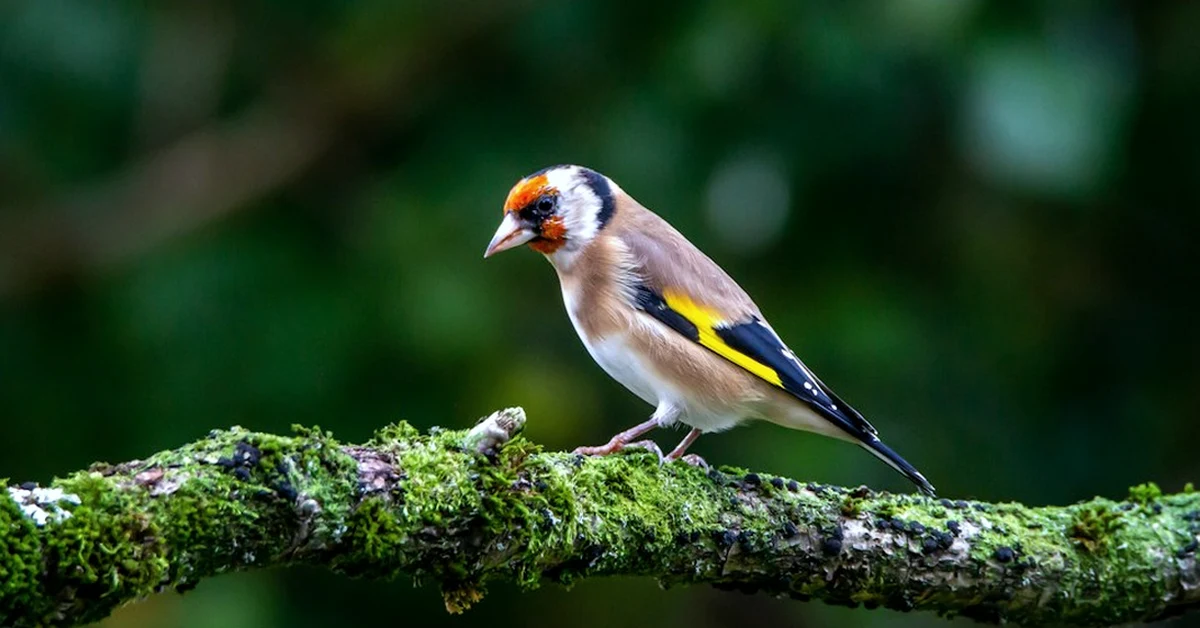
A goldfinch flock call often carries clearly above a garden, but seeing the black-and-yellow wing pattern can confirm a sound-based identification.
Advertisement
Listen, feed and leave space
Identify European goldfinches by linking their sound to what they are doing.
For related help, explore our guides to nyjer seed for goldfinches, cleaning bird feeders and UK garden bird identification.
- The essentials: England’s usual garden goldfinch is the European goldfinch, not the American species in many search results.
- The essentials: A flock’s short flight call can identify goldfinches faster than waiting for a full song.
- The essentials: Nyjer seed in a clean mesh feeder can help, but regular visits do not prove nesting.
- The essentials: Watch quietly and avoid playback, especially near active nests from April to July.
Further reading
If you want to learn more about this topic, these sources may interest you:
- ♫ Goldfinch - song / call / voice / sound. — british-birdsongs.uk
- Goldfinch Bird Facts | Carduelis Carduelis — rspb.org.uk

Editorial Team
Our team consists of passionate British birdwatchers and garden wildlife enthusiasts. We provide honest, practical advice on feeding garden birds, choosing the right feeders, and making your outdoor space a haven for UK wildlife — guided by RSPB best practice and real garden experience.
The information on this website is provided for general guidance only. Always follow RSPB and BTO best practice when feeding garden birds. Product recommendations may include affiliate links — see our disclosure policy for details.