Autumn advice for helping birds is often presented as a seasonal checklist: leave leaves, fill feeders and avoid cutting everything back. Yahoo’s recent expert-led feature on actions people can take in the yard this autumn is useful because it shifts attention from tidy gardens to functioning habitats. For UK householders, however, the value lies not in copying an American-style “yard” plan exactly, but in understanding which autumn interventions genuinely make a difference in a British garden.
The key point is timing. Autumn is not simply the period before winter feeding begins. It is when many resident birds rebuild energy after breeding and moult, when migrants pass through, and when natural food supplies change quickly. A garden that offers clean supplementary food, accessible water, cover from predators and late-season natural forage can reduce pressure at precisely the point birds are preparing for colder, shorter days.
Table of Contents
Advertisement
Why autumn garden management matters to birds
Britain’s familiar garden species do not all use gardens in the same way. Blue tits and great tits may visit seed or peanut feeders, while blackbirds, song thrushes and robins often prefer ground-level food, berries and invertebrates. Goldfinches may exploit seedheads, and wrens depend heavily on dense vegetation and insect-rich crevices rather than a feeder full of sunflower hearts.
That means a single well-stocked feeder is not a complete bird-helping strategy. It can be valuable, particularly when frost or snow limits natural food, but autumn resilience comes from a mix of resources.
This matters because modern gardens are often managed too intensively. Cutting down every stem, removing leaf litter, pruning berry-bearing shrubs immediately and clearing every corner before winter can eliminate food and shelter together. The consequence is not always obvious at the feeder: fewer insects means less food for robins and wrens; fewer seedheads means less forage for finches; and fewer dense shrubs means fewer safe routes between cover and feeding areas.
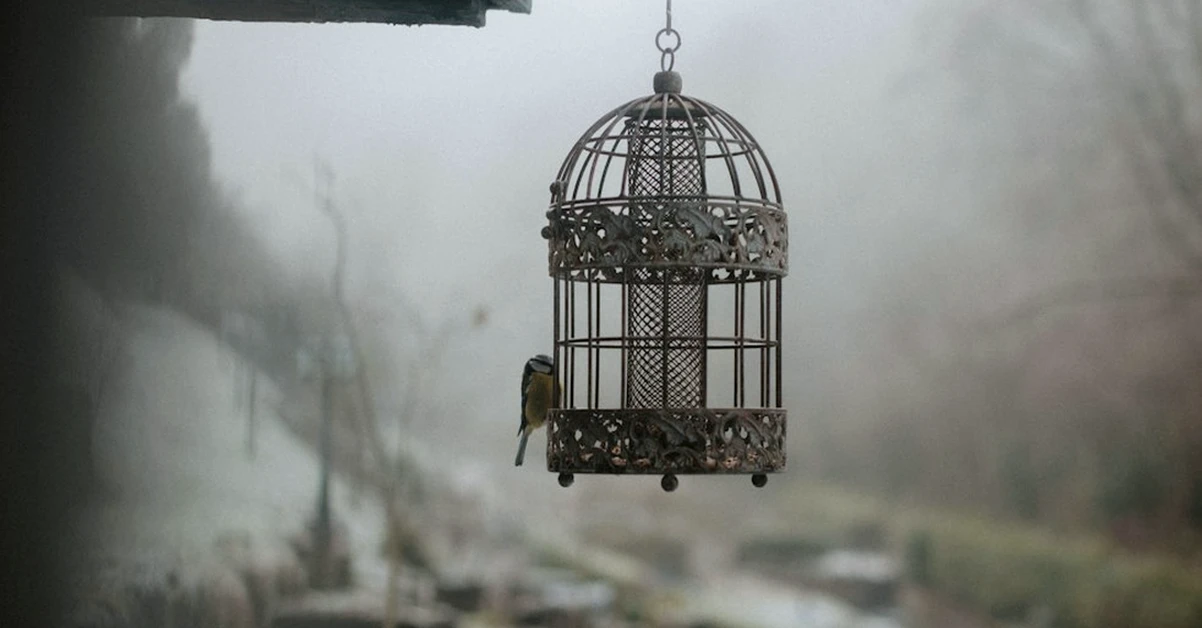
Turn the autumn tidy-up into habitat management
Leave selected seedheads and stems standing
Rather than clearing borders wholesale, retain structurally sound seedheads in part of the garden until late winter or early spring. Teasels, echinacea, rudbeckia, sedums and ornamental grasses can provide seeds, while their stems and bases may shelter invertebrates.
This is particularly relevant for goldfinches, which are adapted to taking small seeds from plants such as teasels and thistles. It also supports the insects that become food for other species. The practical compromise for a neat garden is simple: choose a “wild strip” at the rear of a border, around a shed, or in a less visible corner, rather than abandoning all maintenance.
Avoid piling cuttings directly against the house or sealing every gap in a hedge. A contained log pile and a modest leaf pile in a quiet spot can support invertebrates without turning the entire garden into an unmanaged space.
Keep leaf litter where it does useful work
Leaves are not rubbish from a bird’s perspective. Under shrubs, hedges and mature trees, they hold moisture and support beetles, worms and other invertebrates. Blackbirds and robins frequently search through this layer for food.
Do clear wet leaves from paths, decking and lawns where they become slippery or smother grass. But rake them into borders, beneath hedges or into a leaf-mould cage instead of sending all of them away in green waste. This is one of the lowest-cost changes a gardener can make, and it supports the wider food web rather than only attracting birds to purchased feed.
Advertisement
Feed birds consistently, but feed them safely
Supplementary feeding is most effective when it is hygienic and suited to the species visiting. In autumn, sunflower hearts are a reliable, low-mess option for tits, finches and nuthatches where present. Good-quality seed mixes can also work, but avoid mixes dominated by cheap wheat or large quantities of split peas, which many small garden birds will leave behind.
For ground-feeding species, put small amounts of suitable food on a clean ground tray or low table. Mealworms can be useful in modest quantities, especially for robins, but should not become the only food offered. Soaked dried mealworms are safer than dry ones for young birds in the breeding season; by autumn this risk is lower, but soaking still improves palatability.
Fat balls or suet products can provide energy in colder conditions. Choose products sold without plastic mesh bags. The mesh can trap feet, tongues or beaks, and loose suet in a purpose-built feeder is safer.
Clean feeders before winter demand increases
The less glamorous part of bird feeding is also one of the most important. Disease can spread where birds gather closely, particularly around damp seed, fouled trays and stagnant water. Before feeding activity rises, wash feeders with hot soapy water, rinse thoroughly and allow them to dry completely. Brush away husks and droppings beneath feeding stations regularly.
Rotate feeder positions every week or two where possible. Moving a feeder a short distance prevents one patch of ground becoming heavily contaminated. If you see multiple birds with swollen eyes, lethargy, difficulty swallowing or unusual disorientation, stop feeding temporarily, disinfect equipment and remove dropped food. Do not assume a busy feeder is automatically a healthy one.
Water is as important as seed
A shallow bird bath is valuable in autumn, when natural puddles can be unreliable and birds need water for drinking and feather maintenance. Feather condition matters going into winter: birds need effective insulation, and bathing helps maintain it.
Use a bath with a gradual slope or add clean stones so small birds have secure footing. Refresh the water daily, scrub it frequently and site it near cover but not so close that a cat can launch an ambush. A clear escape route into a shrub or small tree is useful, but dense cover immediately beside the bath can conceal predators.
As temperatures fall, never use antifreeze or salt to keep water open. A bird-bath heater designed for wildlife use may be appropriate where electricity and cable safety can be managed properly. Otherwise, replace ice with fresh water and use a floating ball only as a limited aid; it is not a substitute for checking the bath.
Plant for the gap between autumn berries and spring insects
The strongest message behind autumn wildlife gardening is that birds need continuity, not occasional treats. Berrying shrubs and trees can support birds when insects decline, but planting should be planned for succession.
Native or wildlife-friendly choices for many UK gardens include hawthorn, holly, rowan, crab apple, spindle, guelder rose and dog rose. Ivy deserves particular attention. Its late flowers are valuable to insects, and its berries ripen later than many other berries, offering food in late winter when supplies may be scarce. Mature ivy also provides roosting cover.
Do not strip berries from the garden merely because they look untidy. Equally, do not assume berries alone will sustain every bird: many species need insects, seeds or other foods. A mixed planting scheme is more robust than a garden designed around one “bird-friendly” plant.
Advertisement
Make the feeding area safer from cats and collisions
Autumn feeding can draw birds into locations they would not otherwise use, so safety matters. Place feeders roughly 1 to 2 metres from dense cover: close enough for birds to escape but far enough to reduce surprise attacks by cats. Keep feeders away from obvious cat jumping-off points such as fences, bins and low roofs.
Window strikes are another preventable hazard. Feeders fixed very close to a window, ideally within about 1 metre, reduce the speed of a collision. Alternatively, position them more than 10 metres away. Applying a dense pattern of external bird-safe window markers, not a single silhouette sticker, can make glass more visible.
For households with cats, a bell collar alone is not a complete solution. Keeping cats indoors around dawn and dusk, and during periods of high bird activity, is more meaningful. This is especially relevant as winter visitors and resident birds increasingly concentrate around reliable food sources.
A practical autumn action plan for UK gardens
Start with three priorities rather than attempting every task in one weekend:
- Create a clean feeding and watering routine. Offer appropriate food in modest amounts, wash equipment regularly and refresh water daily.
- Reserve one untidy habitat zone. Leave seedheads, leaf litter and sheltered stems in a selected border or corner.
- Audit safety. Check feeder placement, reduce cat ambush opportunities and make nearby glass visible to birds.
Then plan for the longer term. A hedge, berrying shrub or small native tree planted this autumn may not transform bird activity immediately, but it will provide a more dependable resource than any short-lived seasonal product. Gardens become genuinely bird-friendly when their food, cover and water are available across the year.
FAQ
Should I feed garden birds every day in autumn?
If you begin regular supplementary feeding, aim to be reasonably consistent, especially once birds are using the site routinely. You do not need to fill feeders to overflowing: provide fresh food in quantities birds can eat before it becomes damp or spoiled, and keep natural food sources in the garden too.
Is it better to leave all fallen leaves on the lawn?
No. Thick wet leaf layers can damage lawns and create slippery surfaces. Move leaves from paths and grass into borders, under hedges or into a leaf-mould heap. That retains their wildlife value while keeping the garden usable.
What is the best autumn food for robins and blackbirds?
Robins often take mealworms, small pieces of suet and soft foods from a tray. Blackbirds may take chopped apple, soaked sultanas in small quantities and mealworms. Put food out early in the day, remove leftovers before nightfall and do not leave fruit that has become mouldy or fermented.
When should I cut back plants and tidy the garden?
Where possible, delay cutting back seed-bearing perennials and clearing sheltered stems until late winter or early spring. You can still remove diseased material, manage plants that obstruct paths and keep gutters or buildings clear. The aim is selective tidying, not neglect.
Source: Yahoo — Wed, 21 Oct 2026 15:12:00 GMT

Editorial Team
Our team consists of passionate British birdwatchers and garden wildlife enthusiasts. We provide honest, practical advice on feeding garden birds, choosing the right feeders, and making your outdoor space a haven for UK wildlife — guided by RSPB best practice and real garden experience.
The information on this website is provided for general guidance only. Always follow RSPB and BTO best practice when feeding garden birds. Product recommendations may include affiliate links — see our disclosure policy for details.