The best bird seed mix UK gardens need depends on which birds you want to feed, your feeder and how much mess you can tolerate. Sunflower-heart-led blends suit small birds and reduce husks; softer fruit, oat and mealworm mixes help robins and blackbirds.
Table of Contents
Advertisement
What makes a seed mix worth buying?
A good mix has ingredients that your regular visitors can eat. Sunflower hearts are shelled sunflower kernels, so they suit blue tits, great tits, chaffinches and greenfinches without leaving piles of husks. Black sunflower seeds cost less, but birds must crack the shell first.
Ingredients that match common visitors
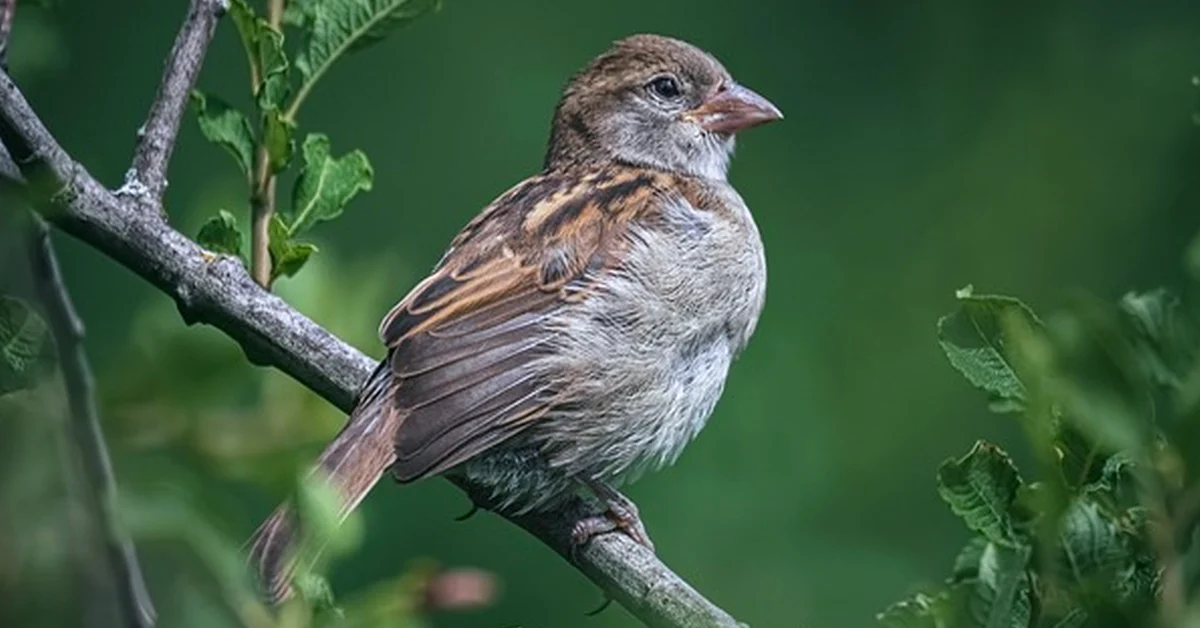
Choose sunflower hearts for a tube seed feeder, millet for house sparrows, and nyjer seed for goldfinches in a specialist feeder with tiny ports. Offer aflatoxin-free peanuts for wild birds only in a secure mesh feeder, because whole peanuts can be a choking risk for young birds.
Check bulk bags against storage
A 12 kg no-mess bird seed bag commonly works out at about £2.50 to £4.00 per kg. A 20 kg no-grow bag may fall between £1.80 and £3.20 per kg, while a 25 kg standard seed blend can sit between £1.30 and £2.50 per kg. Prices change by shop and delivery charge, so compare the final price per kg.
Compare the main UK seed mix choices
The table compares blend types rather than claiming one label suits every garden. Peckish Complete Seed & Nut Mix is a familiar middle-price example, while sunflower-heart-heavy blends from specialist suppliers usually cost more but leave fewer husks.
| Need | Best blend type | Typical price | Best feeder | Likely downside |
|---|---|---|---|---|
| Less husk mess | Sunflower hearts, small seeds | £2.50 to £4.00 per kg for 12 kg | Tube feeder | Higher upfront cost |
| Fewer seedlings | Clearly labelled no-grow blend | £1.80 to £3.20 per kg for 20 kg | Tube or tray | Can still be scattered |
| Small birds | Hearts, millet, some nyjer | £2.20 to £3.80 per kg | Tube feeder | May attract squirrels |
| Robins and blackbirds | Soft food, mealworms, suet | £3.00 to £6.00 per kg | Low tray | Needs shelter from rain |
| Lowest bag price | Standard mixed seed | £1.30 to £2.50 per kg for 25 kg | Hopper or bird table | More rejected grain |
Read price as food actually eaten
A No Mess Bird Seed 12kg bag is often the sensible choice for a small garden with one feeder. A No Grow bird seed 20kg bag can make sense for a busy feeding station, but only if the seed remains dry. A 25 kg economy bag is best for high use, not for a quiet garden with occasional visitors.
Labels cannot replace observation
Watch the ground for seven to fourteen days after changing food. If a layer of maize, peas or wheat remains, change the blend rather than adding more seed. Garden bird identification is useful here: you are learning what your own visitors eat, not what a bag promises.
Reduce pigeons
To favour small garden birds, start with sunflower hearts, fine millet for house sparrows and a separate nyjer feeder for goldfinches rather than a cheap mix dominated by wheat, maize and large split peas. Pigeons and starlings are more likely to exploit loose food on open trays, so use a guarded tube seed feeder for hearts and keep quantities modest. A covered ground tray can still be useful for mealworms for robins and soft food for blackbirds, but remove leftovers before nightfall so rodents are not encouraged. Squirrels cannot be excluded by seed choice alone; a squirrel-resistant feeder, a baffle and careful positioning away from launch points are more dependable than simply buying a more expensive blend.
Advertisement
Choose by mess, species and season
No-mess means fewer shells, no-grow means lower germination risk, and no-waste means less food left uneaten. A single mix may meet only one of these claims. A dehulled mix may not grow, yet squirrels can still throw it out of a feeder.
Pick the blend for your main goal
Choose sunflower hearts or a quality no-mess blend if you want tits, finches and sparrows with less sweeping. Choose a labelled no-grow blend if dropped seedlings bother you, especially beside paving or flower beds. Avoid cereal-heavy seed if pigeons dominate and you want to feed smaller birds.
Fit the food to the feeder
As a team of passionate British birdwatchers and garden wildlife enthusiasts, we have seen overfilled feeders create the same problem as poor seed: rain reaches food that sits for days, then the lower ports block with damp debris. Fill only enough for two to three days, and wash feeder parts with hot water before refilling.
Finches and tits: small seed or hearts.
Robins: soft food.
Tube: hearts and small seed.
Tray: soft food and mixes.
Husks: no-mess.
Seedlings: no-grow.
Leftovers: change ingredients.
Match the mix to the season
In spring and the breeding season, offer a clean, fresh mixed bird seed with sunflower hearts alongside insect-rich foods, as adult birds need quick energy while many chicks benefit from softer natural foods. Avoid leaving whole peanuts or large hard pieces where young birds may be fed. In autumn, a mixed bird seed containing sunflower hearts, black sunflower seeds and small amounts of cereals can help visitors build reserves. Winter calls for higher-energy garden bird food: sunflower hearts, peanuts in a mesh feeder and suet are usually more useful than a cheap cereal-heavy blend. Whatever the season, reduce portions during wet spells so food does not remain damp in the feeder.
Store seed safely and keep feeders clean
Once opened, transfer bird seed from paper or thin plastic sacks into a sealed, dry bin with a tight lid, ideally kept off the floor in a cool shed or cupboard away from direct sun. Check the food before every refill: discard any garden bird food that smells musty, feels damp, contains webbing or shows visible mould. Empty old seed from feeder bases rather than topping it up, because damp fragments can collect below the ports. Clean a tube seed feeder, tray and bird table regularly with a bird-feeder-safe cleaner, rinse thoroughly and allow every part to dry before adding fresh food. If several birds look unwell or droppings build up beneath the station, pause feeding there, clean the area and move feeders to a fresh spot.
Frequently asked questions
What is the difference between no mess and no grow?
No-mess bird seed leaves fewer husks, usually because it contains sunflower hearts or other dehulled foods. No-grow bird seed UK products use non-viable or dehulled seed to reduce sprouting. Either type can still be spilled or spoiled by rain.
What is the best no mess bird seed?
A sunflower-heart-led mix with little wheat, maize or split peas is usually the strongest choice for small garden birds. Use it in a tube feeder and expect it to cost roughly £2.50 to £4.00 per kg in a 12 kg format.
Is no grow bird seed really no waste?
No, no-grow and no-waste are separate claims. No-grow seed may not sprout, but birds may reject large grains or scatter food from an open tray. Check what remains after seven to fourteen days.
Should I buy 12 kg, 20 kg or 25 kg?
Choose 12 kg if you have one or two feeders, 20 kg for steady daily use, and 25 kg only when the food will be used within six to ten weeks. A larger bag is poor value if it becomes damp, mouldy or attracts rodents.
Which seed attracts robins and blackbirds?
Robins and blackbirds may eat some seed, but mealworms, suet pellets and softbill mixes are usually more effective. Put food on a low tray or ground feeder rather than relying on a hanging seed feeder.
Related sources
These articles can help you explore the topic in more depth:
- Won't Grow No Mess Bird Seed Mix — vinehousefarm.co.uk
- 25.1kg Premium No Grow No Mess Seed Mix — bargainbirdfood.co.uk
- No Grow, No Waste, No Compromise! - The Bird House — blog.gardenwildlifedirect.co.uk
- No Husk No Grow No Waste Wild Bird Seed Mix — happybeaks.co.uk

Editorial Team
Our team consists of passionate British birdwatchers and garden wildlife enthusiasts. We provide honest, practical advice on feeding garden birds, choosing the right feeders, and making your outdoor space a haven for UK wildlife — guided by RSPB best practice and real garden experience.
The information on this website is provided for general guidance only. Always follow RSPB and BTO best practice when feeding garden birds. Product recommendations may include affiliate links — see our disclosure policy for details.