Birds may inspect a new feeder for days or several weeks before feeding, especially in a quiet or unfamiliar English garden. Keep it in one safe, visible place, offer fresh seed suited to local species and provide clean water.
Table of Contents
Advertisement
Keep a new feeder still while birds assess it
Leave the feeder in one safe position for 10 to 14 days and let birds learn where it is.
Expect days or weeks, not a fixed date
A new feeder has no fixed adoption time because birds judge the whole garden, not just the food. They watch for cats, people, sudden noises and a clear flight path. Think of it like trying a new café: good food helps, but most people first check whether the door feels safe and easy to leave.
Stop resetting the birds' map
Moving an empty feeder every few days can delay use because birds must find and assess the new position again. The most frequent mistake is changing the height, food and location at once, then never learning which change mattered.
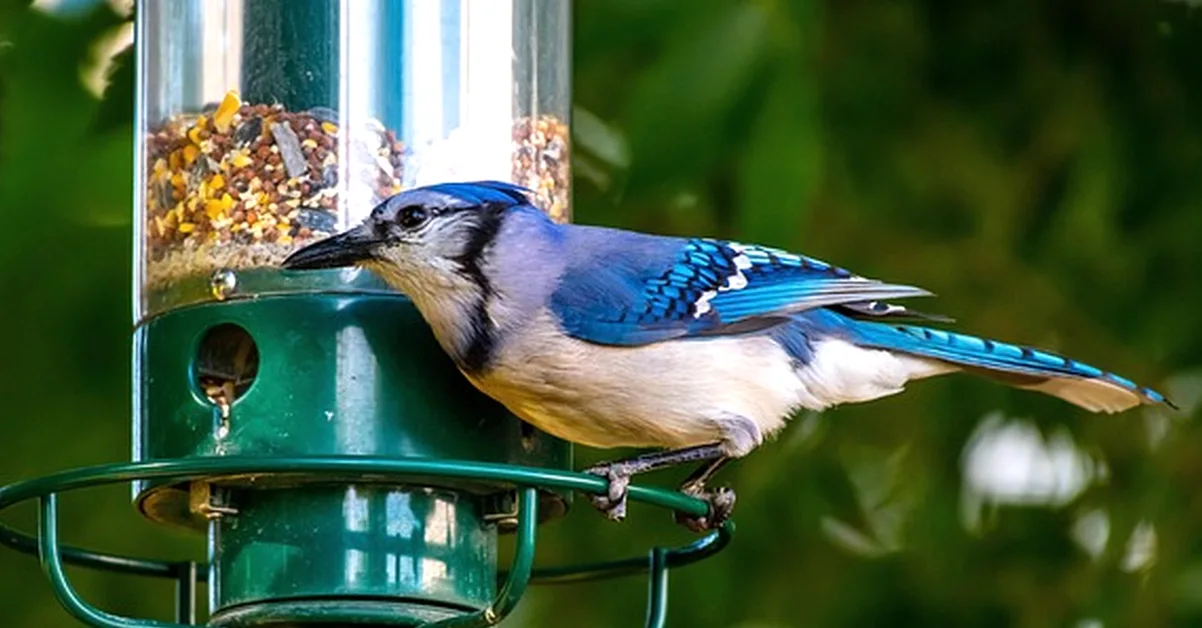
Place the feeder where birds can escape
Hang the feeder where birds can see danger and reach cover quickly without feeding beside a hiding place.
Leave cover nearby, not underneath
Place the feeder roughly 2 to 3 metres from a shrub or small tree when your garden layout allows it. That distance gives small birds a refuge while reducing the chance that a cat can wait directly below. Clear away piles of pots, low benches and thick ivy that create a hidden route to the feeder.
Make windows less dangerous
Put a feeder within about 1 metre of a window, or more than 10 metres away, to reduce high-speed collisions. At close range, a startled bird has less room to build speed. At a greater distance, it is less likely to mistake reflected sky for a flight route.
Even a small UK garden can attract garden birds when it offers food, water and cover in separate but visible zones. Put clean water for birds in a shallow bowl on a stable surface, several metres from the feeder so falling husks and droppings do not contaminate it. A pot of native or wildlife-friendly plants, such as hawthorn, holly, ivy or flowering herbs, can provide insects and a brief refuge without needing a large hedge.
Where there is room, a nest box facing away from the strongest sun and persistent rain can add nesting opportunities, but keep it away from the busiest feeding point. In tiny spaces, one safe feeder, a water dish and a single planted corner are better than overcrowding the area.
Advertisement
Match feeder food to your local birds
Start with sunflower hearts in a seed feeder, then add one food only when you know which birds visit.
Choose food by likely visitor
Sunflower hearts attract the widest range of common small garden birds with less husk mess than many cheap seed mixes. A mixed bag can contain large seeds that small birds leave behind, creating a damp layer underneath. Begin simply.
| Food | Feeder and UK cost | Likely visitors | Daily check |
|---|---|---|---|
| Sunflower hearts | Seed feeder, £4 to £20 | Blue tit, great tit, coal tit, chaffinch | Remove wet seed |
| Peanuts | Mesh nut feeder, £5 to £20 | Tits, nuthatches where present | Use no loose whole nuts |
| Nyjer seed | Nyjer feeder, £6 to £18 | European goldfinch | Fill small amounts |
| Mealworms | Tray, £4 to £15 | Robin, blackbird | Keep dry and limited |
| Suet balls | Suet cage, £3 to £15 | Long-tailed tit, blue tit | Replace soft or rancid food |
Keep kitchen scraps occasional
Coffee grounds should not be offered to birds because caffeine is unsuitable for them. Do not scatter them below a feeder as a supposed deterrent or soil treatment. Keep that feeding area dry and free of old food instead.
For everyday feeding, use purpose-made garden bird food rather than relying on leftovers. Plain cooked potato can be offered occasionally in a few small, cooled pieces on a tray, but it must contain no salt, butter, gravy, cheese or milk and should be removed before it turns sticky or attracts rats. It is not a replacement for seed: sunflower hearts remain dependable blue tit food and suit a standard seed feeder well.
Weetabix is similarly an occasional extra rather than a staple, while coffee grounds should not be offered at all because of their caffeine content. In warm weather, clear every uneaten scrap promptly so it does not spoil or spread contamination.
Follow a 14-day feeder settling plan
Check the feeder briefly each day, but change only the problem you can clearly identify.
Check quietly during the first week
Spend two minutes looking from indoors before going outside each day. Look for birds on nearby branches, fallen husks, or seed levels that have dropped slightly. These signs show that the feeder may be used when the garden is empty.
Change one thing after day 14
After 14 days, change one variable only if there are no signs of visits. Move the feeder a short distance, perhaps 1 to 2 metres, rather than across the garden. Or change from a cheap mix to sunflower hearts, but do not alter food, height and location together.
If a new bird feeder is still untouched after 14 days, diagnose it in the same order each time. First, check feeder placement: birds need a visible approach and a clear exit, with cover nearby but no hidden cat route below. Next, tip out any damp food, wash and dry the feeder, and refill it with a small amount of fresh bird seed. Then watch quietly from indoors for people, dogs, loud garden work or dominant pigeons and squirrels keeping smaller birds away.
A clean bird feeder in a calm location is usually more useful than buying several new foods at once. This simple bird feeder safety check also helps identify whether a supposedly cat-safe bird feeder is genuinely out of reach of an ambush.
Your questions answered
How long before birds use a new feeder in the UK?
Birds may use a new feeder within a few days or take two to four weeks in a quiet or unfamiliar garden. Leave a safe feeder still for at least 10 to 14 days before making one careful change.
Why are birds ignoring my bird feeder?
Birds may avoid a feeder because it is newly placed, too exposed, near cats, noisy, dirty or filled with unsuitable food. Check those six points before buying more equipment.
Should I stop feeding birds in summer?
You can feed garden birds in summer if food is fresh, feeders are cleaned regularly and portions are small. Warm weather makes wet seed and suet spoil faster, so inspect them daily.
Can I put Weetabix out for birds?
Weetabix is unnecessary, and suitable bird food is a better everyday choice. If used, offer a tiny amount without milk and remove it before it becomes wet or ferments.
Why should I not put coffee grounds by bird food?
Coffee grounds should not be fed or scattered around a bird feeder because they contain caffeine. Keep the ground clear of old food instead, as this is safer and easier to clean.
Where should I put water near a bird feeder?
Put fresh water within sight of the feeder but several metres away from falling husks and droppings. Change it daily, and scrub the bowl when it feels slimy or looks dirty.
Advertisement
Know when to stop and change course
Act quickly when you see illness, collisions or repeated predator attacks, rather than waiting for the 14-day plan to work. Remove the feeder after a pattern of window strikes, then fit visible external markers before trying a safer position.
- The essentials: leave a safe new feeder in one position for 10 to 14 days before changing it.
- The essentials: start with sunflower hearts, then add foods that match the birds you actually see.
- The essentials: keep cover nearby but leave enough open space to prevent cat ambushes.
- The essentials: remove wet food and pause feeding if birds appear sick or injured.
Learn more
Here are some additional resources on this subject:
- Bird feeding | what & when to feed birds in your garden — rspb.org.uk
- Birds in your garden | RHS Advice — rhs.org.uk
- How Do You Feed Birds in a Small Garden? — reallywildbirdfood.co.uk

Editorial Team
Our team consists of passionate British birdwatchers and garden wildlife enthusiasts. We provide honest, practical advice on feeding garden birds, choosing the right feeders, and making your outdoor space a haven for UK wildlife — guided by RSPB best practice and real garden experience.
The information on this website is provided for general guidance only. Always follow RSPB and BTO best practice when feeding garden birds. Product recommendations may include affiliate links — see our disclosure policy for details.