Looking for robin food? Robin Food usually means a UK Turkish grocery retailer, whereas garden robins need insect-rich wild-bird food.
Table of Contents
Advertisement
Robin food UK is a grocery shop, not bird food
Robin Food UK is generally a Turkish online grocery service, not a bird-food brand. It serves shoppers seeking Turkish, halal and Mediterranean groceries rather than food for a robin feeder.
Check the delivery postcode, minimum spend, delivery fee and substitution settings at checkout. Current information should always come from Robin Food’s official channels.
Did you mean food for a garden robin?
A European robin (Erithacus rubecula) needs insect-rich food, not supermarket groceries. Robins naturally eat invertebrates, berries and soft foods, often foraging at ground level.
Robin Food UK is associated with Turkish, halal and Mediterranean grocery shopping, so shoppers may look for staples such as sucuk, simit, white cheese, olives, Turkish coffee and baklava alongside everyday fruit, vegetables and cupboard foods. Sucuk can be used in breakfast dishes, eggs or toasted sandwiches; simit is commonly eaten with cheese, olives and tea; and white cheese works well in salads, pastries and meze-style plates.
Product ranges, pack sizes, ingredients and halal status can vary, so check the individual product listing before ordering, particularly where dietary requirements, allergens or preferred brands matter.
For grocery orders, start by entering the delivery postcode before filling the basket. The website can be convenient for comparing categories and completing a larger shop on a computer, while an app may be more useful for repeat orders, saved addresses and notifications when available. Before payment, review the selected delivery slot, minimum order value, delivery charge and any substitution preference. If an item is unavailable, the retailer may offer a replacement, omit it or follow the choice made at checkout.
Keep the order confirmation, then use the retailer’s current order page, app notifications or customer-service channel for tracking, cancellation requests or missing-item queries.
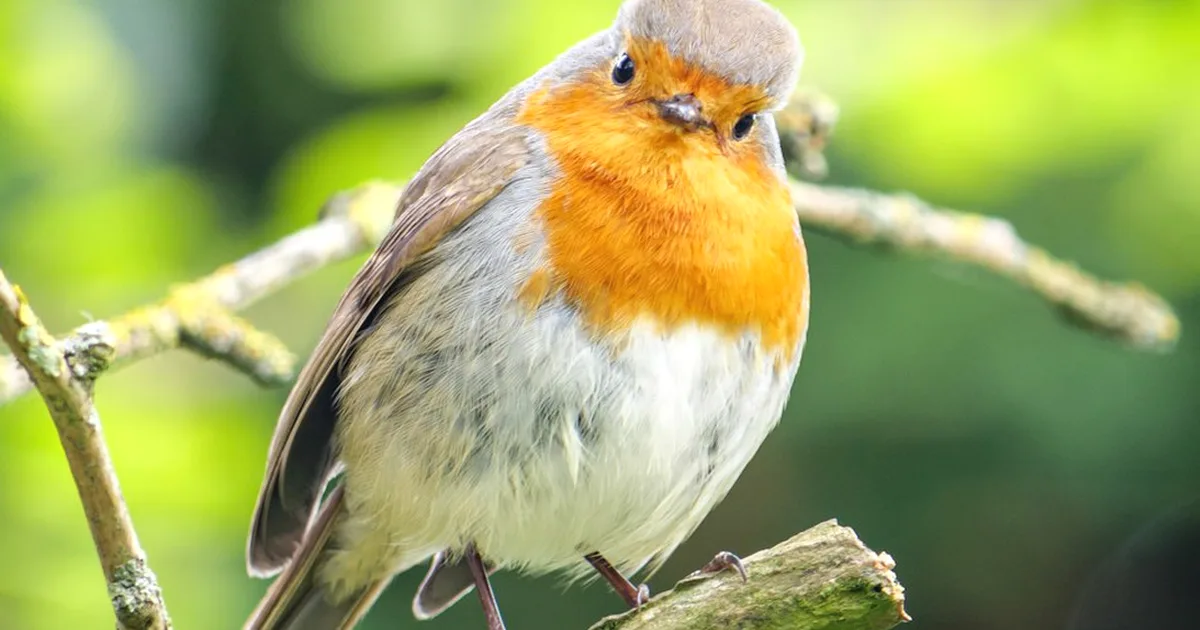
What garden robins can safely eat
Mealworms, soaked dried mealworms, insectivore mixes and no-net suet pellets are suitable foods for garden robins. Offer small amounts that can be eaten within 20 to 30 minutes and remove leftovers.
Best foods for a ground feeder
A ground feeding tray is often more useful for a robin than a hanging tube feeder. Put mealworms, chopped no-net suet pellets or insectivore food on a raised tray with drainage holes.
Foods to leave out of the garden
Do not feed robins salty scraps, seasoned food, milk, mouldy food or processed human snacks. During hard frost, fresh no-net suet pellets and unfrozen water provide useful energy.
A healthy garden robin diet changes with the season. European robin food should reflect this insect-eating bird’s natural preference for invertebrates, with mealworms for robins, soaked dried mealworms and insectivore mixes offered as occasional, clean supplements rather than left out in large piles. Winter food for robins can include no-net suet pellets and soft insect-based foods, especially during cold weather when natural prey is harder to find. Good garden bird feeding also means providing fresh water for birds in a shallow dish, changing it daily and keeping food away from contamination.
A reliable robin feeder or ground tray should be cleaned regularly, and food to avoid for robins includes salty, mouldy, heavily processed and seasoned scraps.
Advertisement
Feed robins safely with a tray and clean routine
Feed robins from a clean, low tray in a spot where cats cannot wait unseen. Place it 1 to 2 metres from cover, with enough open space for a robin to spot danger.
| Food or routine | Best place | Useful timing | Avoid when |
|---|---|---|---|
| Live or soaked dried mealworms | Ground tray or shallow dish | Small portions, 20 to 30 minutes | Food is wet, stale or covered in droppings |
| No-net suet pellets | Tray or dish feeder | Cold spells and winter mornings | Pellets are rancid or softened by rain |
| Fresh water | Shallow, stable dish | Replace daily | The dish is frozen or dirty |
| Tray cleaning | All ground-feeding equipment | Every day for food residue, every 1 to 2 weeks for a full clean | Birds appear ill: clean more often and pause feeding |
Keep feeder hygiene simple
Remove old food, wash feeding surfaces and never top up food over stale crumbs. Ground trays need the same regular cleaning as hanging feeders.
A shallow dish feeder and suitable mealworms make it easier to offer a robin small, clean portions. Choose food that can be removed quickly if rain starts or cats become active nearby.
- Mealworms suit a robin’s natural insect-based feeding habits
- No-net suet pellets add energy during cold English weather
- A low dish lets robins feed without balancing on a hanging port
Robin nests need open shelter
Robins usually prefer open-fronted nesting spaces rather than small-hole nest boxes for tits. Never disturb an active nest, which is protected by the Wildlife and Countryside Act 1981.
Why supermarket food and pet bird food differ
Turkish groceries, garden robin food and budgie food are different things with different safety rules. Wild robins need insect-based foods, while pet budgies need balanced captive-bird diets.
Robin food versus budgie seed mix
Budgie seed mix is designed for a pet bird’s daily diet, while robin food should focus on insects and soft high-energy items.
Food does not replace habitat
A robin needs cover, water and safe nesting places as well as a feeder. Native shrubs, leaf litter and fewer pesticides support the insects robins naturally need.
Questions & answers
What is robin food?
This term usually refers to a UK online Turkish supermarket, not wild-bird food.
What should I feed a robin in England?
Offer mealworms, insectivore mixes and no-net suet pellets in small portions.
Can robins eat bread?
Small crumbs are not poisonous, but bread should never be a regular part of their diet.
Are dried mealworms safe for robins?
Yes. Offer them in small amounts and soak them during dry weather.
Do robins use nesting boxes?
They may use an open-fronted box but rarely use a small-hole tit box.
Advertisement
What to do next
Use Robin Food’s official channels for groceries, and choose insect-rich food for visiting robins. A clean tray, safe placement and fresh water matter more than bread or leftovers.
- Robin Food is normally a grocery-shop search, not a bird-feeding product.
- Mealworms, insectivore mixes and no-net suet pellets are sensible choices for British robins.
- Offer food in small portions on a clean ground tray with fresh water nearby.
- Keep salty scraps, bread as a staple, milk and processed foods away from wild birds.
Where should I put a robin feeder?
Use a low tray 1 to 2 metres from cover, where cats remain visible.
Related sources
These articles can help you explore the topic in more depth:
- Turkish Supermarket in UK, Sucuk, Simit, Baklava all Turkish ... — robinfood.co.uk
- Robin Food UK - App Store — apps.apple.com
- I Love Robins® Bird Food — livingwithbirds.com
- Robin Food Ltd — robinfooddistribution.com
- Where a garden bird feeder sits matters more than style
- Leaving Suet Balls in Nets Can Harm Garden Birds

Editorial Team
Our team consists of passionate British birdwatchers and garden wildlife enthusiasts. We provide honest, practical advice on feeding garden birds, choosing the right feeders, and making your outdoor space a haven for UK wildlife — guided by RSPB best practice and real garden experience.
The information on this website is provided for general guidance only. Always follow RSPB and BTO best practice when feeding garden birds. Product recommendations may include affiliate links — see our disclosure policy for details.