A rumour about a bird-feeding ban can make even a well-meaning gardener hesitate before topping up a feeder. The real risks are usually poor feeder hygiene, sick birds gathering at one spot, or local rules around nuisance species—not garden birds themselves.
No, there is no nationwide legal ban on feeding wild garden birds in England. You can usually feed them year-round, provided you keep feeders and water clean, remove feeders promptly if birds appear unwell, and check local byelaws where pigeons, gulls or ducks are involved. Knowing the difference helps you feed responsibly without reacting to alarming headlines.
Table of Contents
Advertisement
England has no national garden-feeder ban
England has no general law stopping householders from feeding wild birds in a private garden.
AIPZ rules are not a feeder ban
Avian Influenza Prevention Zone (AIPZ) rules apply to kept birds, such as poultry and captive birds, rather than to feeding wild birds in a private garden. They may require biosecurity measures for keepers, but they do not amount to a general ban on garden feeders.
Councils can set site-specific rules
Council rules on feeding birds UK-wide are usually about place and nuisance, not a national wildlife-feeding offence. A council park, managed lake, housing estate, leasehold block or private nature reserve may restrict food that attracts pigeons, gulls, rats or large numbers of ducks.
The answer changes slightly across the UK because there is no single bird law UK-wide that bans ordinary garden birds. This article’s position applies to private garden bird feeding in England; Scotland, Wales and Northern Ireland can have different wildlife, public-health and local-authority arrangements. In practice, restrictions are most likely on land you do not control: a council park, station forecourt, harbour, communal garden or managed lake. Search your council’s website for “local council bird feeding rules”, read any posted sign, and check a lease or tenancy agreement before putting out food in shared areas.
A landowner may set nuisance species feeding rules even where feeding garden birds in England would be lawful at home.
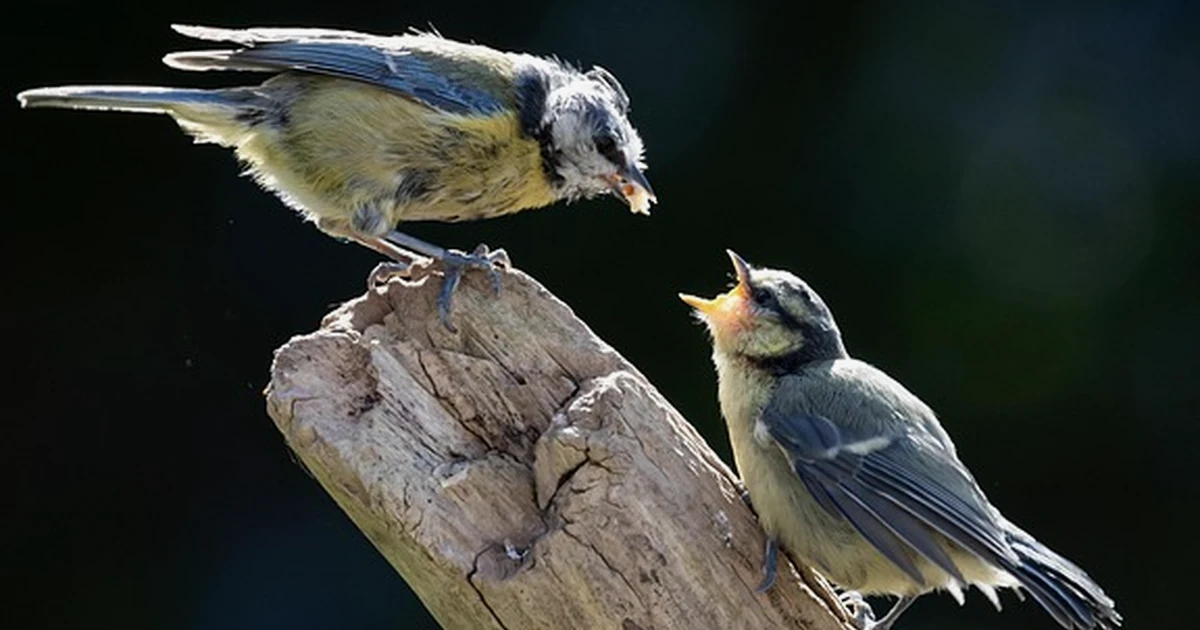
Bird flu is not the usual feeder problem
Bird flu does not automatically make garden feeding illegal or mean every feeder in England must come down.
Trichomonosis is an infection that can affect the throat and crop, the small food-storage pouch in a bird's neck. It spreads more easily where birds crowd around wet seed, contaminated trays and dirty water. The British Trust for Ornithology (BTO) and RSPB both stress feeder hygiene and sensible action where sick birds appear.
Watch for throat and feeding signs
Pause the affected feeding point if birds look fluffed up, sleepy, unable to swallow, repeatedly visit without eating, or have wet feathers around the beak. One bird can be injured or cold, but two or more birds with similar signs over 24 to 48 hours deserve action.
The practical pattern is clear: a greenfinch struggling at a crowded seed tray is more consistent with a feeder hygiene problem than an automatic diagnosis of bird flu. Do not handle sick or dead wild birds with bare hands.
Water can spread contamination too
If several birds are ill, or dead birds are appearing repeatedly in the same garden, treat the feeder area as temporarily closed rather than simply topping it up elsewhere. Wear disposable gloves, bag and dispose of old food, scrub feeders and water containers with hot soapy water, then use a suitable disinfectant according to its label and allow everything to dry fully. Move the clean feeder to a different part of the garden before restarting after the break.
Bird flu and garden feeders should not be confused with every sick greenfinch, as trichomonosis in garden birds is a common feeder-associated concern. However, clusters of dead wild birds, particularly waterfowl or gulls, should be checked against current APHA and Defra reporting guidance rather than handled unnecessarily.
Advertisement
Match the feeder action to conditions
Keep feeding healthy garden birds with clean equipment, but stop feeding temporarily at an affected station when sick or dead birds are present.
Feed as normal
Empty and wash
Pause that station
Move and restart
| Condition | Food and feeder | Action now |
|---|---|---|
| Spring and young birds | Sunflower hearts in a tube feeder | Use small portions; clean weekly. |
| Wet summer weather | Avoid soggy fat balls and wet trays | Discard damp food within 1 to 2 days. |
| Autumn or winter | Peanuts in a mesh peanut feeder | Keep food dry and clear spillages. |
| Sick or dead birds nearby | Any food or water station | Stop, clean, disinfect, dry and relocate. |
Peanuts need the right mesh
Whole peanuts should be kept in a proper mesh peanut feeder, rather than left loose on a table where young birds may try to swallow them whole.
Keep nesting boxes separate
Keep nesting boxes separate from feeding and water stations to reduce disturbance around the nest.
For a captive bird, repeated illness in garden birds, or an unclear local restriction, seek advice from an avian vet, APHA or the relevant council rather than relying on social-media claims.
Season matters more to food freshness than to a blanket ban. Follow wild bird feeding advice by offering modest amounts that birds can finish before they become stale, especially in warm or wet weather. Sunflower hearts, nyjer and other dry seed are usually best kept in tube feeders; whole peanuts should stay in a proper mesh peanut feeder, not loose on a table where young birds may try to swallow them whole.
Avoid salted foods, mouldy scraps, spoiled fat products and food left to ferment in rain. RSPB bird feeder cleaning and BTO feeder hygiene advice also favour reducing food on open tables and ground trays when droppings build up, because these surfaces concentrate contamination.
Common questions
Is there still a ban on feeding birds in England?
No, England has no nationwide legal ban on feeding wild garden birds in private gardens. Check local rules if you feed on council land, shared property or a managed site.
Should I remove feeders during bird flu?
No, bird flu restrictions do not automatically require householders to remove bird feeders. Remove them temporarily if sick birds, droppings or contaminated food are present, then clean and dry them.
Are bird feeders spreading disease?
Bird feeders can spread disease when birds crowd around dirty, wet food or water. Wash feeders at least weekly, and act sooner if food is damp or birds show illness.
What happens if I stop feeding birds?
Most garden birds can switch to natural food, but sudden withdrawal during cold weather may remove a familiar energy source. If illness is suspected, stop the affected station for 7 to 14 days while cleaning it properly.
Is it illegal to feed ducks or pigeons?
No national law bans feeding all ducks or pigeons, but a council or landowner can restrict it at a specific place. Follow signs at lakes, parks, stations and shared housing areas.
Can I feed peanuts and fat balls all year?
Yes, if food stays dry, fresh and in a suitable feeder. Use mesh peanut feeders for whole peanuts, and remove fat balls that have turned soft, mouldy or rain-soaked.
- England has no standing national ban on feeding small wild birds in private gardens.
- Local councils and landowners may set different rules for pigeons, gulls, ducks and shared spaces.
- Dirty feeders and water create a more common garden risk than bird flu headlines.
- When birds look ill, pause, clean, disinfect, dry and move the feeding station.
Related sources
These articles can help you explore the topic in more depth:
- RSPB releases updated guidance on feeding garden birds — manxbirdlife.im
- Should You Feed Birds in Summer? RSPB Advice for UK ... — google.com
- UK households 'banned' from leaving seed out for birds in ... — google.com
- Are there downsides to feeding birds in your garden? ... — google.com

Editorial Team
Our team consists of passionate British birdwatchers and garden wildlife enthusiasts. We provide honest, practical advice on feeding garden birds, choosing the right feeders, and making your outdoor space a haven for UK wildlife — guided by RSPB best practice and real garden experience.
The information on this website is provided for general guidance only. Always follow RSPB and BTO best practice when feeding garden birds. Product recommendations may include affiliate links — see our disclosure policy for details.