A colourful seed mix can look complete, but budgies often select their favourite fatty seeds. For a 30–40g bird, these small choices can cause weight gain or nutrient gaps.
Table of Contents
Advertisement
Pellets usually beat seed-only diets
Pellets are usually the safer daily base because each piece provides similar nutrition, unlike a seed mix that can be selectively eaten.
Pelleted budgie food contains ground ingredients, vitamins and minerals, helping prevent a diet dominated by fat and starch.
Can pellets and seeds be fed together?
Feed pellets and seeds together during a gradual change, offering pellets in a separate bowl while keeping seed measured rather than constantly available.
A healthy budgie diet is not simply a choice between “good” pellets and “bad” seed. A complete pelleted budgie food made for small parrots gives a more consistent intake of vitamins, minerals and amino acids, whereas a budgie seed mix allows a bird to sort out preferred items. However, the best base is one the bird is demonstrably eating and maintaining weight on.
For many seed-raised birds, pellets are introduced gradually while a measured budgie food portion of seed remains available. This seed to pellet transition should be led by appetite, droppings and regular weighing, not by a fixed deadline or by removing familiar food.
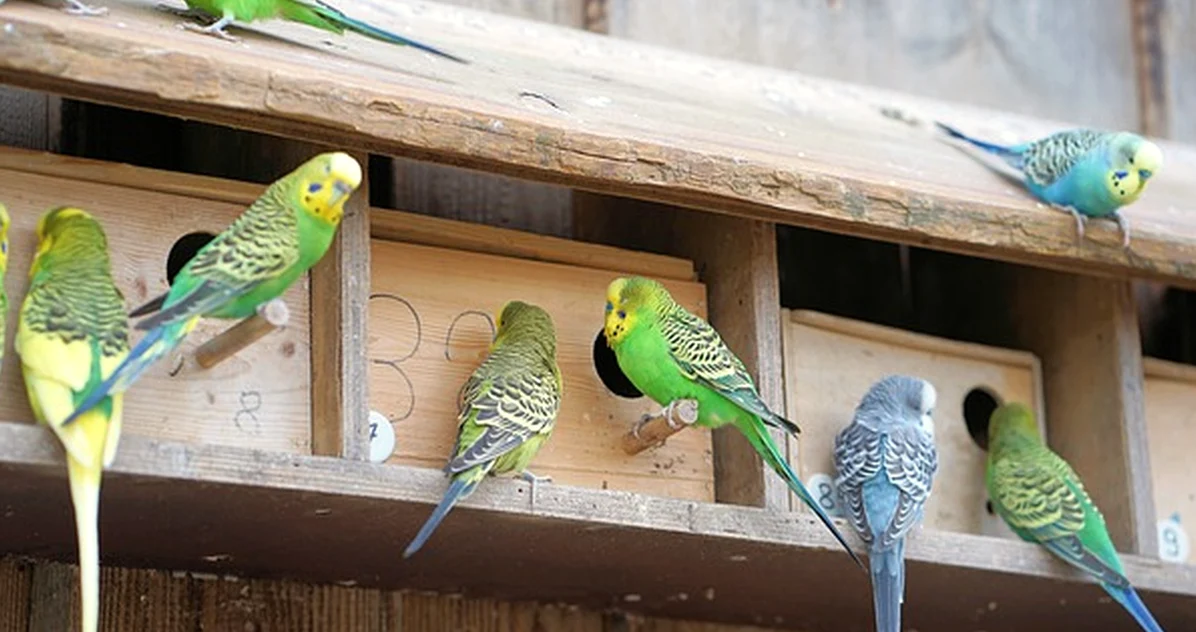
Read labels before buying a seed mix
Choose clearly labelled budgie food with limited oily extras, avoiding honey-coated or brightly coloured snack-style mixes as daily staples.
Ingredients that should stay limited
Sunflower seeds, nuts and honey-coated clusters are high in calories, so they should be occasional foods rather than the main diet.
Calcium is different from grit
Cuttlebone provides calcium, while routine insoluble grit is usually unnecessary because budgies remove seed husks before swallowing kernels.
When choosing UK budgie food brands, read the ingredient list rather than relying on a colourful packet or added herbs and flowers. Millet, canary seed and small amounts of red millet can be normal components of a budgie seed mix, but sunflower seeds for budgies should remain limited because they are energy-dense. Avoid mixes dominated by oily seeds, sweetened pieces or bakery-style treats. Cuttlebone for budgies can provide a useful budgie calcium source, but it does not turn a poor seed diet into a complete one.
Check the best-before date, keep food sealed in a cool, dry cupboard, and consider budgie food cost per kilo only after confirming that the bag can be used while fresh.
Advertisement
Measure food and switch pellets slowly
Start with around 1½ to 2 level teaspoons of dry food daily, then adjust for weight, activity, vegetables and treats.
A simple daily portion routine
Put measured dry food in a clean bowl each morning, remove vegetables after a few hours, and change drinking water daily.
A successful change means the budgie visibly eats pellets, stays alert and maintains a stable weight when weighed consistently.
A food change is successful only when the budgie is visibly eating the new diet and maintaining its usual condition.
Compare UK foods by cost per kilo
Compare price per kilo, bag size and likely waste, because a cheaper large bag is not always better value.
| Product | Typical size | Typical £/kg | Base ingredient | Best use |
|---|---|---|---|---|
| Trill Budgie Food | 500g to 1kg | £4 to £7 | Mixed seeds | Measured seed portion |
| Versele-Laga Prestige Budgies | 1kg to 4kg | £3 to £6 | Millet and canary seed | Seed-fed birds, portioned |
| Harrison's Adult Lifetime Fine | 454g to 2.27kg | £14 to £23 | Organic pelleted formula | Pellet-led daily diet |
Large bags can go stale or attract pests before one or two budgies finish them; buy enough for roughly 6 to 10 weeks.
A clearly labelled budgie seed mix can suit birds that still eat seeds, provided it is measured and not treated as an unlimited buffet. Check the ingredients before choosing a larger bag.
- Lets you compare bag sizes and price per kilo before paying for delivery
- Provides familiar seed during a slow, monitored pellet conversion
- Helps avoid garden bird seed, which is not formulated for pet budgies
Food for special life stages
Young, breeding, ill or recovering budgies have different nutritional needs and should receive individual guidance from an avian vet.
Daily budgie food portion needs also change with life stage and body condition. A stable adult may need less energy than a very active bird, while vegetables, training treats and millet spray should be counted as part of the day’s intake rather than added without limit. Young, newly weaned budgies must not be dieted during growth; breeding birds and birds feeding chicks may have higher nutritional demands; and an overweight budgie needs a vet-led plan rather than a sudden reduction in food.
Budgie weight monitoring on a gram scale is especially useful: weigh at the same time of day and seek avian vet advice if there is a sustained fall, a sudden rise or a change in appetite.
Frequently asked questions
What is the best food for a budgie in the UK?
A quality pellet your budgie accepts is usually the most balanced base, alongside measured seed, vegetables, water and cuttlebone.
How much food should one budgie eat each day?
Many adults start with about 1½ to 2 level teaspoons of dry food daily, adjusted for weight and activity.
Can budgies eat only seed mix?
Budgies can survive on seed, but selective eating can make a seed-only diet nutritionally unbalanced.
How long does a pellet conversion take?
A safe conversion often takes 2 to 6 weeks, although seed-raised birds may need longer monitoring.
Is millet spray good for budgies every day?
Millet spray is best used as a small training treat because budgies can easily overeat it.
Advertisement
Choose the food your budgie will eat safely
Choose food you can measure, store properly and monitor, aiming for a bright budgie with stable body weight.
- The essential point: pellets offer a more even nutrient base than a budgie sorting a seed mix.
- The useful habit: measure dry food and weigh an adult budgie regularly in grams.
- The safer switch: introduce pellets over 2 to 6 weeks, never by withholding familiar food.
- The smarter purchase: compare price per kilo, freshness and storage space before buying a large bag.
Further reading
If you want to learn more about this topic, these sources may interest you:
- Premium Budgie Seed & Feed Mixtures — soarmillseeds.co.uk
- Budgie Seed Mixes — scarlettsparrotessentials.co.uk

Editorial Team
Our team consists of passionate British birdwatchers and garden wildlife enthusiasts. We provide honest, practical advice on feeding garden birds, choosing the right feeders, and making your outdoor space a haven for UK wildlife — guided by RSPB best practice and real garden experience.
The information on this website is provided for general guidance only. Always follow RSPB and BTO best practice when feeding garden birds. Product recommendations may include affiliate links — see our disclosure policy for details.