Table of Contents
Advertisement
Why putting feeders back up matters in winter
Rare Bird Alert has reported that the RSPB is recommending wildlife-lovers rehang bird feeders stocked with seed and peanuts for winter. That is more than a seasonal prompt to make the garden look lively: it reflects a genuine shift in the pressures faced by small birds as autumn gives way to colder, shorter days.
For many familiar UK garden species, winter is defined by an energy problem. Natural foods such as insects, berries and seeds become less available or harder to reach, while low temperatures force birds to spend more energy simply maintaining body heat. A great tit may visit a feeder repeatedly through the day not because it has become dependent on people, but because a concentrated, reliable food source can reduce the time and energy it must spend searching in frosty vegetation, leaf litter or frozen ground.
The important point for householders is that winter feeding works best when it is safe, consistent and part of a wider wildlife-friendly garden. A feeder full of poor-quality food, left damp and uncleaned, can do more harm than a modest feeder maintained properly.
What seed and peanuts provide
Seed suits a broad range of garden visitors
A quality seed mix can support a varied winter bird community. Sunflower hearts are especially valuable because they are rich in oil, easy for many species to eat and create less husk waste than whole sunflower seeds. They are popular with chaffinches, greenfinches, goldfinches, tits, nuthatches and house sparrows.
Other useful ingredients include millet for smaller seed-eaters, flaked maize for larger birds, and small quantities of pinhead oatmeal. Seed mixes vary greatly, however. Cheap mixes can contain large proportions of wheat, split peas or hard, dusty fillers that many garden birds leave behind. The result is wasted food beneath the feeder, which can attract rats and increase the risk of contamination.
For a typical UK garden, sunflower hearts in a tube feeder or a sheltered tray are often a better starting point than a large, mixed bag of unknown quality. They allow you to see what birds are actually eating and adjust your feeding accordingly.
Peanuts are high-energy food, but feeder choice is crucial
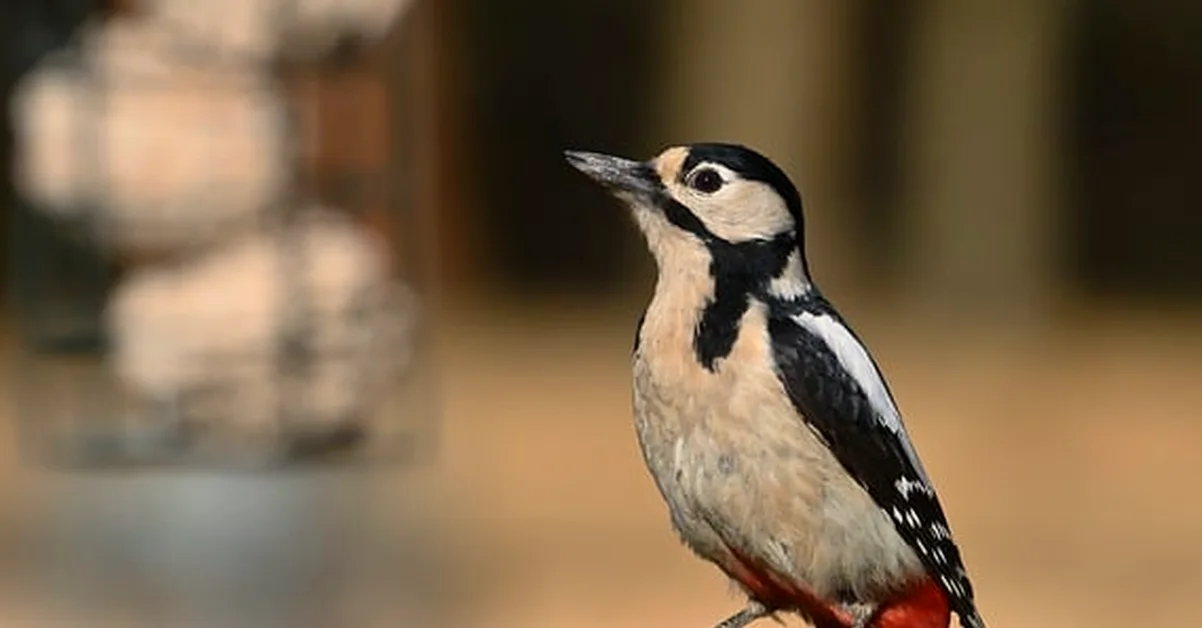
Peanuts are a particularly useful winter food because they are high in fat and protein. Blue tits, great tits, coal tits, nuthatches, starlings and woodpeckers may all use a peanut feeder. During cold snaps, that energy density can be valuable.
But whole peanuts must be offered only in a proper fine-wire peanut feeder. The mesh prevents birds from taking large pieces away or swallowing a whole nut. This is particularly important where young birds are present later in the year, but it is good practice in every season. Never scatter whole peanuts on the ground.
Buy peanuts specifically sold for wild birds. Human snack peanuts may be salted, flavoured or otherwise unsuitable, and any peanuts that look mouldy, stale or damaged should be discarded. Aflatoxins associated with mouldy peanuts can be harmful to birds, so dry storage and sensible stock rotation matter as much as the food itself.
Advertisement
The real challenge is consistency, not quantity
The recommendation to rehang feeders can make people feel they need to create a constantly overflowing feeding station. That is unnecessary. A better approach is to offer an amount birds can finish while the food remains fresh, then refill regularly.
Once a garden becomes a known feeding stop, birds may incorporate it into their daily foraging route. During severe weather, abruptly stopping after supplying plentiful food can be unhelpful. This does not mean a feeder has to be full at all times; it means establishing a manageable routine. A small feeder topped up each morning is more useful than several large feeders filled once, neglected, and allowed to become wet or fouled.
If you are away for several days, ask a neighbour to check feeders during freezing conditions, or reduce the number of feeders beforehand rather than leaving large quantities exposed to rain. Freshness is especially important for peanuts and seed trays, where damp food can spoil quickly.
Hygiene is a conservation issue, not just garden tidiness
Feeding brings birds into closer contact than they would normally experience while foraging. That concentration can help disease spread if droppings, wet seed and food debris accumulate. Greenfinches and chaffinches, in particular, have suffered from trichomonosis in Britain, a disease that can spread at feeding stations.
A practical cleaning routine
At least weekly, and more often during wet weather or high visitor numbers:
- Empty old food and remove husks and droppings from feeder trays.
- Wash feeders with hot water and a suitable bird-safe disinfectant according to its instructions.
- Rinse thoroughly and allow feeders to dry fully before refilling.
- Rake or move ground-feeding areas so waste food does not build up in one spot.
- Clean bird baths and provide fresh water every day when possible.
If you see a sick or dead bird, pause feeding temporarily, clean all feeding equipment and report unusual mortality where appropriate through wildlife health reporting channels. Do not simply add more food in response to fewer birds visiting; first consider whether hygiene, predators, weather or disease could be affecting behaviour.
Position feeders to reduce avoidable risk
A winter feeder should give birds a clear view of approaching danger while allowing quick access to cover. Place it around two metres from dense shrubs or a hedge: close enough that birds can retreat, but not so close that a cat can wait unseen beside the feeding point. Avoid locating feeders immediately next to reflective windows. Window strikes are a frequent and preventable hazard; either position a feeder very close to the glass, generally within about one metre, or much farther away, and consider window decals or external screening.
Use sturdy poles and baffles if squirrels or rats are taking excessive quantities. Squirrels are native wildlife and do not need to be treated cruelly, but a squirrel-proof feeder can ensure the expensive high-energy food reaches the birds it was bought for. Clearing fallen seed each evening also makes the area less attractive to rodents.
Advertisement
Do not overlook water and natural food
Seed and peanuts are useful, but a resilient winter garden should not depend on feeders alone. Fresh water is often overlooked when shallow puddles and ponds freeze. Put out a shallow bird bath, refresh it regularly, and use a safe method to keep part of it ice-free. Never add antifreeze, salt or chemicals.
Native berry-bearing shrubs, ivy, seedheads left standing, log piles and leaf litter all provide food or shelter for wildlife. Ivy, for example, flowers late and fruits in winter, supporting insects before its berries become food for birds. Leaving some herbaceous stems uncut can retain seeds for finches and cover for invertebrates. These measures make a garden useful even when a feeder is empty or temporarily removed for cleaning.
A sensible winter feeding plan
For most households, an effective setup is simple: one tube feeder of sunflower hearts, one fine-mesh peanut feeder, a clean water source and regular checks. Add a ground tray with appropriate food only if you can keep it clean and local cats are not a serious problem. Watch which species visit for two weeks before buying more specialist foods.
This measured response is the practical meaning of the RSPB-linked winter advice. Rehanging feeders is not about attracting the greatest number of birds for a photograph. It is about making a dependable, hygienic contribution at a time when the margin between enough food and too little can narrow quickly for garden birds.
FAQ
Should I feed garden birds every day in winter?
Yes, if you can maintain the routine safely. Offer modest amounts daily or refill as food is eaten, especially during frost, snow or prolonged cold. Avoid putting out more than can remain clean and dry.
Are peanuts safe for all garden birds?
Peanuts are safe when they are unsalted, sold for wild birds, fresh and offered in a fine-wire peanut feeder. Do not scatter whole peanuts on the ground or put them in an open tray where birds can take large pieces.
What is the best seed for UK garden birds in winter?
Sunflower hearts are one of the most widely useful choices because they are energy-rich and eaten by many common species. A high-quality mix can also work, but avoid products dominated by cheap fillers that birds reject.
How often should bird feeders be cleaned?
Clean them at least once a week, and more frequently in wet weather, when food becomes damp, or if many birds are visiting. Remove stale food and clean the surrounding ground or tray as well as the feeder itself.
Source: Rare Bird Alert — Wed, 28 Oct 2026 07:00:00 GMT

Editorial Team
Our team consists of passionate British birdwatchers and garden wildlife enthusiasts. We provide honest, practical advice on feeding garden birds, choosing the right feeders, and making your outdoor space a haven for UK wildlife — guided by RSPB best practice and real garden experience.
The information on this website is provided for general guidance only. Always follow RSPB and BTO best practice when feeding garden birds. Product recommendations may include affiliate links — see our disclosure policy for details.