Common signs of a sick budgie include fluffed-up feathers, extra sleeping, tail bobbing, reduced appetite, weight loss and unusual droppings. Checking weight in grams, posture, breathing and the three parts of each dropping can help you judge whether to call an avian vet the same day, seek urgent help or monitor safely while keeping your budgie warm and calm.
Table of Contents
Advertisement
Check these signs before deciding to wait
A budgerigar often hides weakness because an unwell wild bird would be vulnerable.
| What you see | How long | What to do |
|---|---|---|
| One odd dropping after travel or new food, with normal eating and breathing | Less than 12 to 24 hours | Monitor closely and record changes |
| Fluffed-up feathers while awake, less eating, dirty vent, weight loss, eye or nasal discharge | Repeated or lasting more than 24 hours | Speak to an avian vet in the UK the same day |
| Open-mouth breathing, severe tail bobbing, bleeding, collapse, seizures, cannot perch | Even once | Emergency veterinary care immediately |
Breathing, eyes and nostrils
Budgie breathing problems include wheezing, clicking, a changed voice, nostril crusting, nasal discharge, eye discharge, and breathing with the beak open. Tail bobbing means the tail moves up and down strongly with each breath, rather like a person’s shoulders pumping as they struggle to breathe.
Feathers, posture and movement
Fluffed-up feathers help a budgie hold warm air close to its body, much like wearing a puffy coat. Brief fluffing before a nap can be normal, but fluffed-up feathers with lethargy, closed eyes, poor balance or reduced appetite are symptoms of illness in budgies.
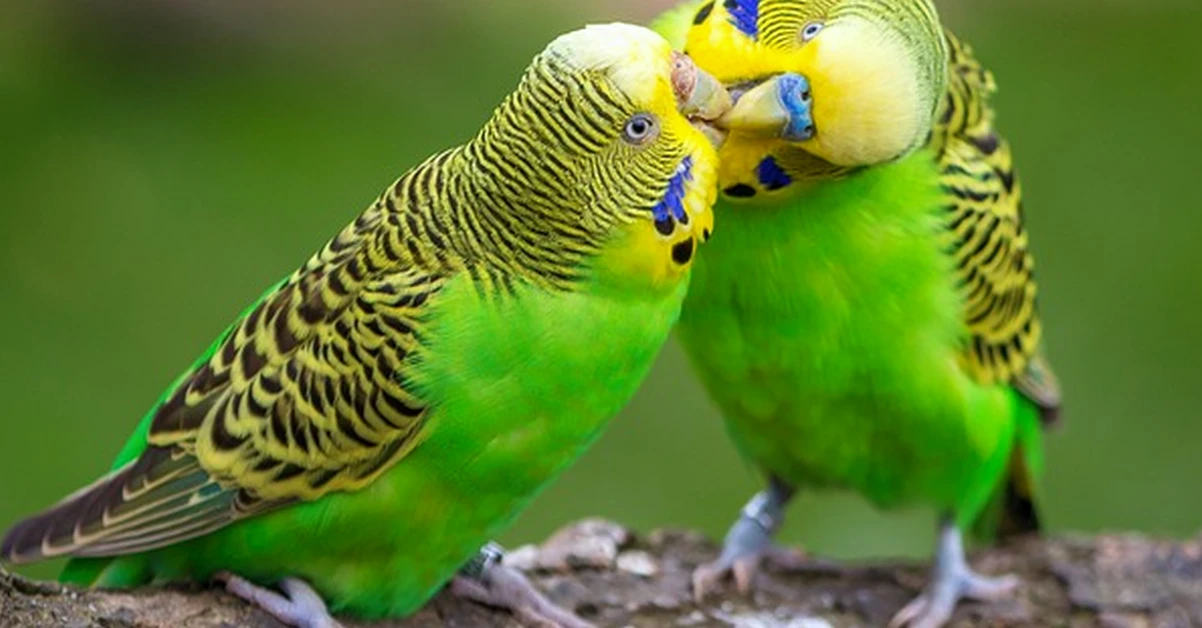
When a budgie eats but may still be ill
A budgie that pecks at seed is not automatically well.
Weigh at the same time daily
Many adult budgies weigh roughly between 30 and 40 grams, though healthy size differs between individual birds. A falling trend over 2 to 3 days, especially with reduced eating or activity, deserves a same-day call to an avian vet in the UK.
A small hospital cage gives an unwell budgie a quiet, easy-to-reach space while you arrange veterinary advice. Choose a simple cage that keeps food, water and a low perch close by.
- Allows a weak budgie to reach fresh water and food without climbing far
- Makes it easier to monitor droppings on plain paper at the cage base
- Supports temporary isolation from other pet birds while a vet advises
Read all three parts of a dropping
Repeated abnormal droppings that are black, red, very pale, unusually green, foul-smelling or very watery need veterinary advice, particularly with vomiting, weakness or weight loss. Vomiting is uncontrolled and can leave food on the head or cage, while regurgitation is often a deliberate courtship action.
For daily budgie weighing, use a digital kitchen scale that measures in whole grams and place a small, familiar perch or lightweight container on it first. Tare the scale, then weigh your budgie at the same time each morning, ideally before its main meal, and write down the result rather than relying on memory. A single gram can matter in a small bird, but look for a consistent fall rather than one isolated reading. Budgie weight loss may appear before obvious sick budgie symptoms because birds can continue to eat small amounts while becoming unwell.
Avoid chasing or repeatedly catching a distressed bird just to complete the record.
A normal budgie dropping has three parts:
- the faeces, usually the formed green or brown portion
- the urates, the creamy white part
- and the urine, the clear liquid around them
This is why loose-looking droppings do not always mean diarrhoea: a bird may produce extra urine after stress, heat, fruit or increased drinking while the faeces remain formed. Note the budgie droppings colour and texture on plain white paper. Persistently black, red, very pale or unusually green faeces, yellow or green-tinged urates, or large amounts of liquid alongside lethargy, reduced appetite or weight loss should be discussed with an avian vet.
Advertisement
Keep a poorly budgie safe while you call
The safest first aid is quiet, warmth, easy access to essentials, and minimal handling.
Avoid common home-treatment mistakes
Do not give human medicines, leftover antibiotics, herbal drops, essential oils or unprescribed supplements. These can be toxic, mask symptoms, or make it harder for an avian veterinary surgeon to find the real cause.
Illness signs and avian flu risk
If your bird has had contact with poultry, wild birds, wild bird food, contaminated equipment or garden bird feeders, reduce contact between birds and check current advice from the Animal and Plant Health Agency and the Department for Environment, Food & Rural Affairs. Biosecurity means stopping germs moving between birds, much as washing hands helps stop illness moving between people.
While arranging emergency bird care or veterinary advice, keep the cage quiet, dimly lit and away from draughts, children and other pets. Gentle warmth can help a chilled, fluffed-up bird conserve energy: warm only one side of the cage from outside so it can move away if it becomes too warm, and never place it directly against a radiator or use a heat source it can touch. Provide fresh water and familiar food close to a low perch or the cage floor.
Isolate the bird from other pet birds, wash hands between cages, and minimise handling. Do not force-feed, syringe water or attempt home remedies unless an avian vet has specifically instructed you to do so.
What people ask
What are early signs of illness in budgies?
Early budgie illness symptoms include more sleeping, fluffed-up feathers while awake, quieter behaviour, reduced eating, weight loss and repeated abnormal droppings. Contact an avian vet in the UK if these changes last beyond 24 hours or occur together.
Can a budgie be sick if it is still eating?
Yes, a budgie can be unwell while still eating small amounts or choosing only favourite seeds. A weight drop across 2 to 3 days, lethargy or changed droppings means it should be assessed promptly.
What does tail bobbing in a budgie mean?
Tail bobbing means the tail moves clearly with each breath because the bird is working harder to breathe. Marked tail bobbing, wheezing or open-mouth breathing needs emergency veterinary care.
Is watery bird poo always diarrhoea?
No, extra urine around formed faeces can follow stress, heat, watery foods or increased drinking. Persistent watery faeces, changed urates, weight loss or lethargy need veterinary advice.
Act on changes, not one normal moment
The safest rule is to act on a lasting change in your budgie, not on the fact it briefly ate, chirped or looked alert.
Advertisement
Learn more
Here are some additional resources on this subject:
- When should I take my bird to a Vet? — theparrotsocietyuk.org
- Bird flu (avian influenza): how to spot and report it in poultry ... — gov.uk
- Bird Health: Signs of a Sick Bird, Avian Vet Care — bestfriends.org

Editorial Team
Our team consists of passionate British birdwatchers and garden wildlife enthusiasts. We provide honest, practical advice on feeding garden birds, choosing the right feeders, and making your outdoor space a haven for UK wildlife — guided by RSPB best practice and real garden experience.
The information on this website is provided for general guidance only. Always follow RSPB and BTO best practice when feeding garden birds. Product recommendations may include affiliate links — see our disclosure policy for details.