A rat-proof bird feeder in the UK can cut down the food available to rats, especially when you choose a caged, weight-activated or protected hopper design. Position it in the open, use a seed catcher tray and keep it at least 2 metres from fences, walls, shrubs and other climbing routes.
Table of Contents
Advertisement
Rat-proof means less food, not no rats
A rat-resistant feeder reduces access to bird food; it does not make rats disappear from an English garden.
Signs food is drawing rats
Fresh dark droppings, gnaw marks on plastic feeders, shallow holes near paving and disturbed mulch point to regular rat visits. Check just after dusk for several evenings, rather than judging from one sighting in daylight.
A rat-resistant feeder cannot solve an established infestation with active burrows, shelter and several food sources. The Royal Society for the Protection of Birds (RSPB) also advises good feeder hygiene and avoiding food build-up beneath feeding areas.
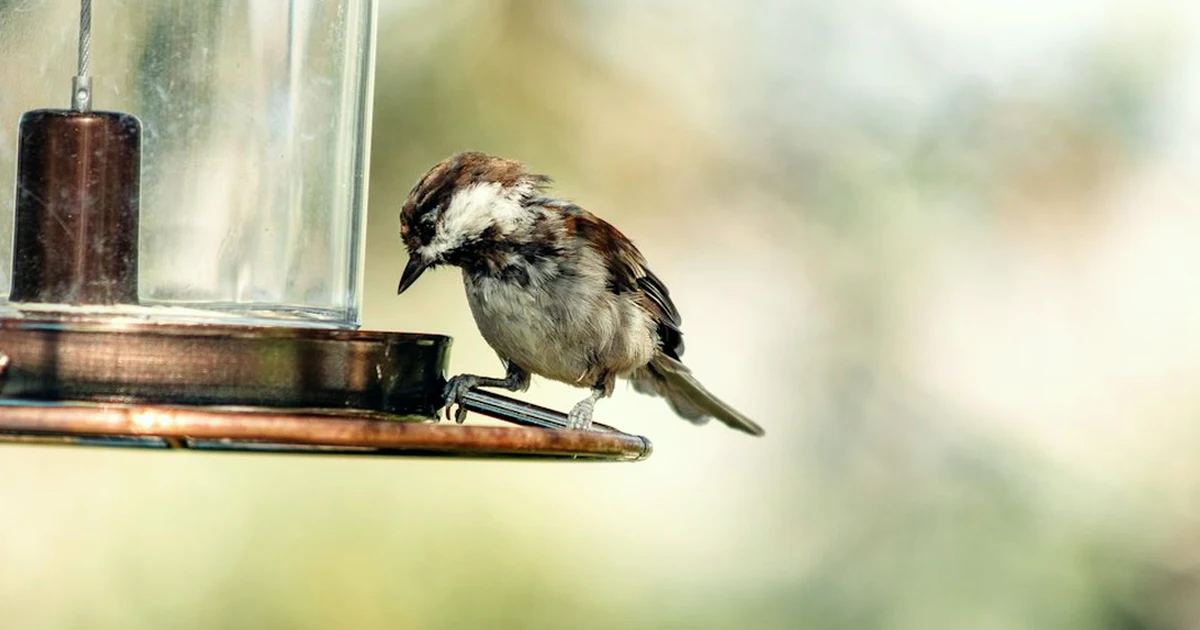
Choose a feeder by birds, risk and budget
For most gardens in England, a metal caged feeder or a weight-activated feeder is the best starting point, but only with a tray that you empty often.
| [Feeder](https://gardenbirdsguide.co.uk/your-ground-bird-feeder-may-be-feeding-rats/) type | Typical UK price | Seed loss risk | Best suited birds | Limit with rats |
|---|---|---|---|---|
| Metal caged seed feeder | £15-£30 | Low with a tray | Tits, finches, sparrows | Seed below still feeds rats |
| Weight-activated feeder | £70-£110 | Low to medium | Tits, nuthatches, finches | Needs correct weight setting |
| Protected metal hopper | £35-£60 | Medium | Sparrows, tits, robins | Large trays need cleaning |
| Raised bird table | £30-£90 | High | Robins, blackbirds, dunnocks | Usually unsuitable with active rats |
Match food to the feeder
Sunflower hearts are shelled kernels, so birds leave far less mess than they do with husked sunflower seed. Avoid cheap mixes with wheat, whole maize, split peas or large amounts of husk where birds leave them behind.
A guarded metal feeder is most useful where squirrels and rats both visit, but select one with a removable tray. The tray only helps if it is emptied before spilled food builds up.
- Wire guards limit access for larger animals while small garden birds can reach the ports.
- Metal parts resist gnawing better than thin plastic seed tubes.
- Removable catch trays make it easier to remove discarded seed every day.
Do larger birds lose out?
Caged feeders can exclude starlings and larger thrushes, so offer these birds only a small daytime amount and remove it before evening during periods of rat activity.
Choose low-waste bird food in quantities that birds can finish during the day. Sunflower hearts, quality suet pellets and appropriately sized peanut granules usually leave less debris than mixes containing husks, wheat or large hard grains that many garden birds sort out and drop. Start with a modest portion in a metal seed feeder or protected hopper, then inspect the tray and ground for three or four days.
If one food is repeatedly left behind, reduce that item or change the mix rather than adding more. This simple check prevents a full feeder from becoming a nightly food source for rats and helps match the food to the birds using it.
Advertisement
Make the feeder harder for rats to exploit
Place the feeder on a smooth, stable pole at least 2 metres from walls, fences, branches, sheds, garden furniture and dense shrubs.
Set pole height and clearance
Set the feeding ports around 1.5 to 1.8 metres from the ground where practical, and keep the pole upright and free from trailing plants or cover at its base.
Stable and clear
Small bird access
Empty daily
2 metres from jumps
Clean food before nightfall
During active rat periods, inspect the ground daily and clear loose food before dusk. Store food in a metal bin or thick, lidded container indoors or in a secure shed.
Good bird feeder hygiene is as important as the feeder design. Empty the seed catcher tray and sweep up spilled bird seed every day while rats are active, then wash the tray and feeding ports regularly with hot, soapy water and allow every part to dry fully before refilling. Discard wet, mouldy or clumped seed rather than topping it up, because damp food can spoil and collect beneath a feeder.
Check the ground after rain and windy weather, when seed can be scattered beyond the tray. A clean feeding area makes fresh droppings, gnawing and new digging easier to spot before a small problem becomes established.
Stop feeding if rats are already established
Pause bird feeding where rats visit heavily, burrows are active or food is disappearing every night.
Remove fallen fruit, secure bins, bring pet food inside and cut back dense cover near the feeding point. If active burrows, repeated night activity or fresh damage continue after you remove accessible food, ask a qualified pest controller for wildlife-aware advice; do not wait if the activity is heavy or spreading.
Natural scents and household repellents are not a dependable form of garden rat control. Peppermint, citrus and similar smells disperse quickly outdoors, especially in rain, and they do not remove food, water or shelter. Avoid putting mothballs, essential oils, loose chilli products or any poison around a bird feeding station, as these can create risks for birds, pets and other wildlife. Glue traps are also inappropriate in a garden because non-target animals can become caught.
The reliable approach is to remove accessible food, reduce rat climbing routes and keep a clean feeding area; where active burrows or repeated night activity continue, use a qualified wildlife-aware pest professional.
What people ask
What is the best bird feeder to avoid rats?
A metal caged feeder or weight-activated feeder on a clear pole is usually best for reducing rat access. Use sunflower hearts and a catch tray, then empty the tray daily during active rat periods.
Can rats climb a bird feeder pole?
Rats can climb rough poles, timber, fences and nearby plants, but smooth poles with baffles are much harder to climb. Keep a 2-metre gap from fences, walls and branches so rats cannot jump across.
How can I feed birds without attracting rats?
Feed small daytime portions of low-waste food and remove all spillage before dusk. Avoid ground feeding and open bird tables if you have seen fresh droppings or burrows.
Will a squirrel-proof feeder stop rats?
A squirrel-proof feeder may slow rats, but it does not stop them eating seed on the ground. Rat control depends on feeder placement, food choice, cleaning and removing nearby shelter.
Advertisement
A practical plan for safer bird feeding
Choose a guarded feeder, install it in a clear space and review the ground and surrounding cover after several nights.
- A rat-resistant feeder reduces access but cannot remove rats if seed is left beneath it.
- Keep the feeder 2 metres from fences, walls, branches, sheds and thick cover.
- Sunflower hearts and suet pellets leave less waste than many cheap mixed seeds.
- Pause feeding and seek wildlife-safe professional help if burrows or nightly activity continue.
Related sources
These articles can help you explore the topic in more depth:
- Rodent Proof Bird Feeders — alittlebirdcompany.co.uk
- How to Keep Rats Away from Your Bird Feeders — reallywildbirdfood.co.uk
- Swissinno Fat Ball Feeder Dark Green - Rat Proof — gardenwildlifedirect.co.uk
- Rat Proof Bird Tables | Stop Rats From Eating The Bird Food — springgardenandhome.co.uk

Editorial Team
Our team consists of passionate British birdwatchers and garden wildlife enthusiasts. We provide honest, practical advice on feeding garden birds, choosing the right feeders, and making your outdoor space a haven for UK wildlife — guided by RSPB best practice and real garden experience.
The information on this website is provided for general guidance only. Always follow RSPB and BTO best practice when feeding garden birds. Product recommendations may include affiliate links — see our disclosure policy for details.