A full bird feeder can strain a light hanger long before both hooks look busy. Choose support by the weight of filled feeders, their movement in wind and the strength of the fixing.
Table of Contents
Advertisement
Choose by loaded weight, not hook count
Start with the complete loaded weight, including food, rainwater and every feeder.
A stated capacity is a ceiling, not a target. For a modest garden setup, allow roughly 1 to 2 kg per filled seed feeder, depending on size and food, and leave 25% to 50% spare capacity below the hanger’s stated limit for wet food and swinging loads.
Work out the full hanging load
Weigh filled feeders where possible, or add the feeder’s empty weight to its food capacity. Large squirrel-proof feeders and damp fat-ball feeders can be heavier than they look.
Check reach as well as height
Leave at least 20 to 30 cm between a feeder and a wall, fence or trunk, with more clearance for wide squirrel-proof models.
Choose metal made for weather
Galvanised steel and well-finished powder-coated metal resist weather better than untreated steel, but inspect chips, welds and threaded joints regularly.
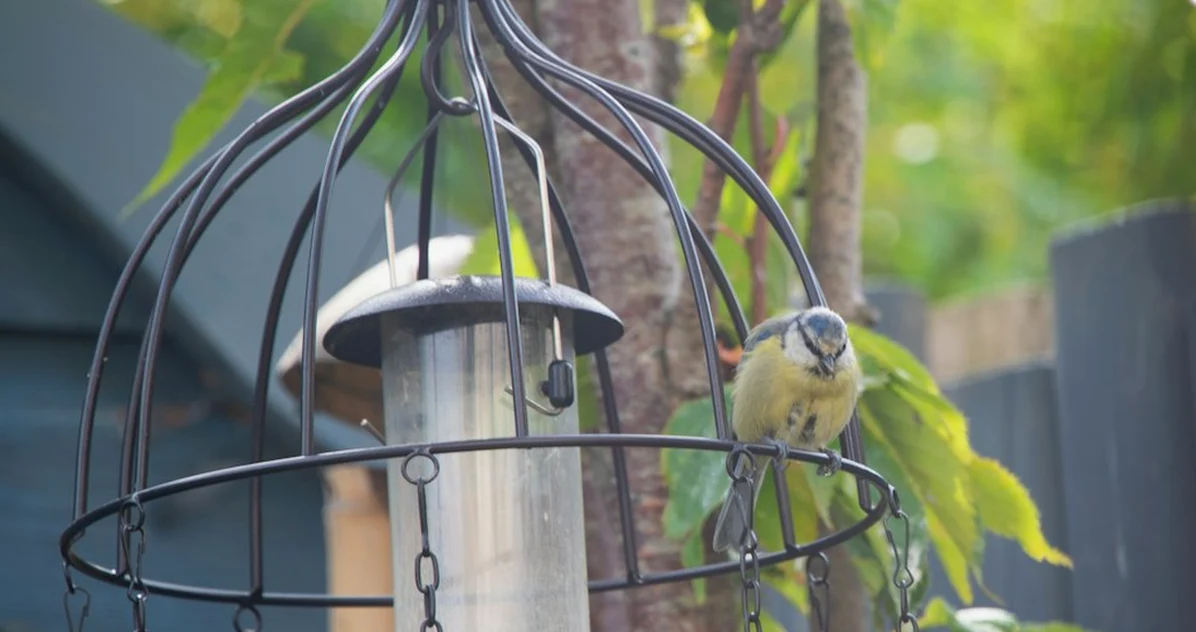
Match the support to your garden space
Choose a support that suits both the available space and the surface carrying the load.
A healthy mature branch suits one light or medium feeder, while a wall bracket needs sound masonry and exterior-rated fixings. For several feeders, a firmly anchored pole or feeding station usually gives the safest flexibility; a tall station can still lean in soft, rain-soaked soil.
| Support type | Typical loaded use | Best position | Main check | UK price guide | |
|---|---|---|---|---|---|
| Tree hook | One light to medium feeder | Healthy mature branch | No deadwood or bark rubbing | £8 to £20 | |
| Wall bracket | One or two feeders | Sound brick wall | Exterior-rated fixings | £15 to £35 | |
| Shepherd's crook | One light feeder | Firm, open soil | Ground does not loosen | £15 to £30 | |
| Feeder pole | One to three feeders | Clear lawn or border | Anchored upright | £25 to £55 | |
| Feeding station | Several feeders, within rating | Open garden area | Combined load and base | £35 to £90 |
Tree hooks need sound branches
Use a living, firm branch free from splits and deadwood. Do not hang several moving feeders from a branch chosen for one light feeder.
Walls, poles and feeding stations
Avoid weak mortar, fence panels and decorative brackets without a load rating. Put the heaviest feeder nearest the pole centre where the design allows.
A rated metal pole or feeding station makes sense when you need clear space for two feeders rather than adding hooks to a light garden ornament.
- Lets you position seed and suet feeders away from walls and fence panels
- Can accept a squirrel baffle on many straight-pole designs
- Gives separate hooks so feeders do not collide in a breeze
Match the hanger to both the loaded feeder weight and the feeder type. A compact seed feeder is usually straightforward on a tree hook or wall bracket, while a heavy squirrel-proof feeder needs a higher hanger capacity and a rigid bird feeder support. Suet feeders can become heavier when wet, and peanut feeders may attract several birds at once, increasing the moving load.
A bird bath should only hang from a purpose-rated pole or feeding station because water weight changes quickly after rain or refilling. Check the combined weight of every filled feeder, rather than assuming that separate hooks make each load independent.
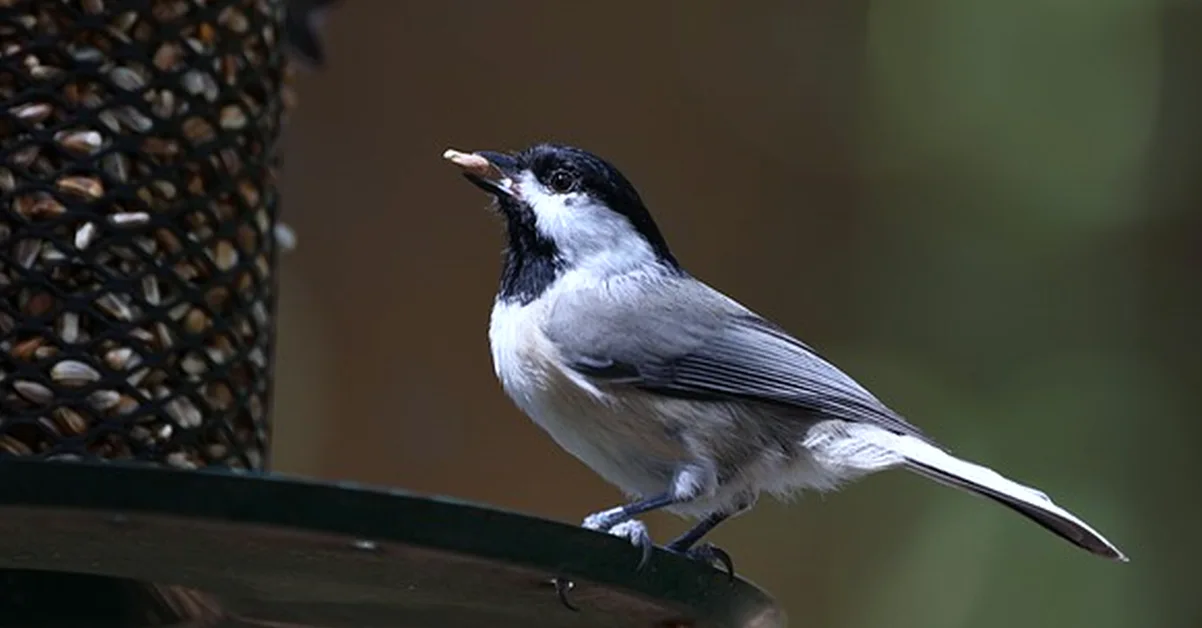
Fit and place it without creating risks
Test the complete arrangement before relying on it.
Fit the hanger empty, pull it gently, then load feeders in stages and check for twisting, leaning, rubbing or collision. Position feeders near cover but not above dense hiding places for cats, and place them within 1 metre of glazing or more than 3 metres away to reduce window-strike risk.
Checks for trees, soil and walls
Recheck tree hooks after strong wind, ground spikes after rain, and wall brackets for loose screws, rust or movement.
Balconies and DIY limits
Check building rules before drilling or clamping to a balcony rail. Do not use improvised wire, damaged brackets or thin chain for a swinging feeder load.
A hanger is safe only when the support, fixings, full feeder weight and surrounding clearance all work together.
For a small UK garden, paved patio or balcony, a projected wall bracket can save floor space when it is fixed into sound brick with suitable wall bracket fixings and outdoor fixings. Keep enough feeder clearance for birds to land and for the feeder to swing without touching glazing, drainpipes or railings. A compact feeder pole can work in a deep planter only when its base is designed for that use and remains stable after watering or wind; otherwise, use a lighter single-feeder arrangement.
Avoid placing any feeder directly above a busy doorway, seating area or shared path where spilled seed and bird droppings will create an avoidable nuisance.
Choose the simplest safe setup
Buy for the whole arrangement rather than adding hooks to an unsuitable support.
Use a tree hook for one light feeder on a sound branch, a projected wall bracket for a compact brick patio, and a rated pole or station for two or more full feeders. If the support flexes, leans or lets feeders strike each other, reduce the load or replace it.
A simple DIY hanger is suitable only for one light feeder when it uses a purpose-made metal hook, a rated eye bolt or a solid timber arm fixed to sound material; improvised wire, string and reclaimed chain are not reliable for swinging loads. Before use, test the empty fitting with a controlled pull, then add the feeder gradually and watch for twisting, cracking or movement.
For stable feeder mounting, clean off food residue regularly and inspect hooks, welds, threaded joints and fixings every few weeks. Replace parts showing rust flakes, deep corrosion, bent metal or loose threads rather than trying to straighten or tighten damaged hardware.
What people ask
Where should I hang a bird feeder?
Hang it within 1 metre of a window or more than 3 metres away, near cover but clear of cat hiding places.
How much weight can a bird feeder pole hold?
Keep the combined filled load 25% to 50% below its stated limit.
Can I hang two feeders from one hook?
Only if the hook and support are rated for their combined weight and the feeders cannot collide.
Is a shepherd's hook strong enough for a bird feeder?
It can hold one light feeder in firm ground, but may lean with heavy feeders or wet soil.
How far should a feeder be from a wall?
Leave at least 20 to 30 cm of clearance, or more for wide feeders.
What metal is best for an outdoor feeder hanger?
Galvanised steel or durable powder-coated metal are usually suitable when regularly inspected.
Can I attach a bird feeder hanger to a balcony?
Only if the rail, clamp and building rules allow the loaded arrangement safely.
Do squirrel baffles work on feeder poles?
They help on smooth straight poles but not where squirrels can jump from nearby structures.
- Choose capacity from the full, wet and moving feeder load, not the number of hooks.
- Match the support to sound branches, solid masonry or firmly anchored ground.
- Give birds clear feeding space and use window distances that reduce collision risk.
- Inspect hooks, joints and fixings after rain, wind and regular cleaning.
Advertisement
Further reading
If you want to learn more about this topic, these sources may interest you:
- Hanging Bird Feeders — birdfood.co.uk
- Bird Feeding Station Range for Garden Birds — shopping.rspb.org.uk

Editorial Team
Our team consists of passionate British birdwatchers and garden wildlife enthusiasts. We provide honest, practical advice on feeding garden birds, choosing the right feeders, and making your outdoor space a haven for UK wildlife — guided by RSPB best practice and real garden experience.
The information on this website is provided for general guidance only. Always follow RSPB and BTO best practice when feeding garden birds. Product recommendations may include affiliate links — see our disclosure policy for details.