A bird feeder can bring colour and birdsong close to home, yet spilled seed, mouldy food, pesticides and loose netting may create risks for wildlife. The most helpful gardens provide safe routes, cover and seasonal food as well as feeding stations.
Garden wildlife in the UK includes more than feeder birds: tracks, droppings, chewed plants and night sounds can reveal hedgehogs, foxes, frogs, bats and pollinators. Match visitors to suitable habitat, remove hazards and consider a 13 cm access gap for hedgehogs.
Table of Contents
Advertisement
Identify garden visitors from clues, not sightings
Use a pattern of evidence rather than one clue: note size, place, date, time, nearby food and behaviour. A blackbird seen at dawn is a stronger record than a dark feather beneath a hedge.
Which signs point to night visitors?
Hedgehogs often leave 2.5 to 3 cm five-toed prints, although toes can blur in soft soil. Their snuffling is low and close to the ground; foxes bark or scream, while bats are usually noticed by erratic dusk flight.
How can similar garden birds be separated?
Start with shape and movement before colour. A great tit has a larger head, black breast stripe and stronger bill than a blue tit, while a dunnock moves low through cover and a house sparrow is chunkier and often feeds noisily in groups.
| Garden bird | Approx. Length | Useful clue | Likely food | Common mix-up |
|---|---|---|---|---|
| Robin | 12 to 14 cm | Orange-red face and breast | Mealworms, suet | Young robin is speckled |
| Blue tit | 10 to 12 cm | Blue cap, tiny bill | Sunflower hearts | Great tit |
| Blackbird | 24 to 27 cm | Male has yellow bill | Fruit, worms | Female or young starling |
| Goldfinch | 12 to 14 cm | Red face, yellow wing bar | Nyjer seed | Greenfinch |
| Woodpigeon | 38 to 43 cm | White neck patch | Seeds, leaves | Collared dove |
For more reliable garden bird identification, listen as well as look. A robin often gives a clear, varied song from a perch, while a dunnock delivers a quick, repetitive warble from a shrub and a great tit commonly uses a loud two-note call. Note whether a bird climbs a trunk, probes flowers, searches beneath a hedge or joins a noisy flock at seed. The same approach helps with non-bird clues: fresh hedgehog footprints near a water dish, a narrow trail through long grass and low snuffling suggest a hedgehog, whereas a bat flight at dusk is usually fast, twisting and repeated along a hedge or roofline.
Record the weather and time as well as the species, because many visitors are seasonal or mainly nocturnal.
Link shelter, water and food across the garden
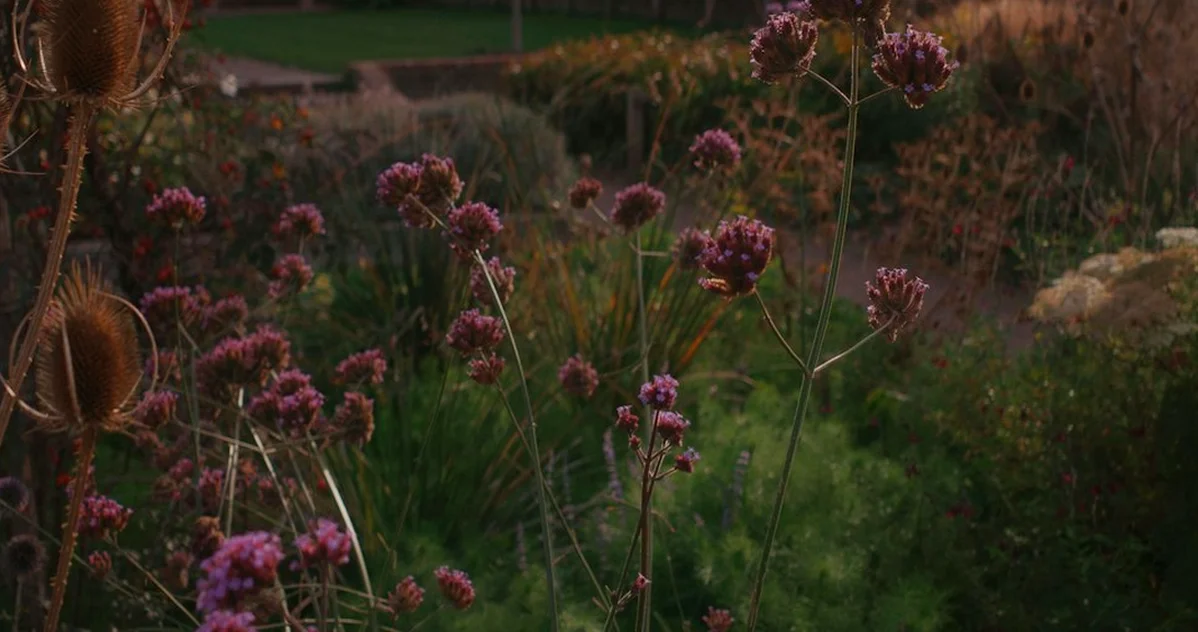
The best wildlife gardens link cover, water, food and safe routes, so animals can move between a pond, hedge and log pile without crossing exposed ground.
Which features help each visitor?
| Feature | Species helped | Best position | Risk to avoid |
|---|---|---|---|
| Shallow wildlife pond | Frogs, toads, smooth newts, dragonflies | Part sun, away from runoff | Steep sides and fish |
| Native hedge | Nest birds, insects, small mammals | Boundary or quiet edge | Pruning active nests |
| Log and leaf pile | Beetles, frogs, hedgehogs | Damp shaded corner | Moving it in winter |
| Flower-rich pots | Bees, hoverflies, butterflies | Sunny balcony or patio | Pesticide sprays |
| Long-grass strip | Moths, grasshoppers, sheltering wildlife | Edge of lawn | Mowing without checking |
What does a pond do that feeders cannot?
A pond offers breeding water, drinking water and hunting ground. Include a gently sloping edge or stone ramp so frogs, mice and fledglings can climb out, and avoid fish where amphibians are the priority.
A small plot can still become a wildlife-friendly garden if each feature has more than one purpose. On a balcony, a trough of nectar-rich plants can provide pollinator habitat, while a shallow dish with stones offers safer drinking water for insects; empty and refill it regularly. In a paved yard, pots beside a climber, a sheltered container of leaf litter and a compact log pile habitat can create cover without a lawn. Where space allows, even a small, safely edged wildlife pond is more valuable when linked to planting and gaps beneath boundaries.
These links improve garden habitat connectivity by creating safe wildlife routes between gardens, while unlit edges and screened lamps retain dark routes for wildlife such as bats and moths.
Advertisement
Feed birds safely and protect wild visitors
Bird feeding should be a clean, modest supplement rather than the centre of wildlife gardening. Offer only what birds finish in one or two days, remove wet food, and stop feeding temporarily if sick birds gather.
Which feeder is right for a small garden?
Place a feeder 1.5 to 2 metres from dense cover, allowing birds an escape route while preventing cats from hiding below. Keep it away from windows, or fit close-spaced external markers to reduce collisions.
| Feeder type | Typical England price | Best food | Cleaning need |
|---|---|---|---|
| Basic tube feeder | £12 to £20 | Sunflower hearts | Ports weekly |
| Nyjer feeder | £15 to £28 | Nyjer seed | Ports every 3 to 7 days |
| Squirrel-resistant feeder | £30 to £60 | Seed or peanuts | Mechanism weekly |
A feeder with removable ports makes regular washing much less awkward in a small garden. Choose a size that holds only a few days of food, rather than a large hopper that leaves seed sitting for weeks.
- Removable parts let you scrub away damp seed and droppings from feeding ports.
- Smaller seed capacity helps prevent old food building up after rain.
- A hanging design keeps food off the ground and away from most rodents.
Why must pet birds stay separate?
Budgies and other pet birds should never share bowls, feeders, water or direct contact with wild birds. Keep cages indoors or in a secure aviary, wash hands after handling feeders, and consult an avian vet if a pet bird seems unwell.
Garden records can contribute to conservation when they are made consistently. During the RSPB Big Garden Birdwatch, follow the organiser's current instructions and count the highest number of each species seen together during the watch, rather than adding every repeat visit from the same flock. A short weekly note at other times of year can also reveal changes in garden birds, frog activity or pollinator numbers.
Keep observations fair and safe by using clean bird feeders, clearing spilled seed from beneath them and throwing away mouldy bird food. If several birds appear ill, pause feeding, clean all equipment thoroughly and report unusual sightings through an appropriate local wildlife recording scheme.
Use the seasons to avoid accidental harm
A wildlife-friendly garden changes through the year: spring brings nests and amphibian movement, summer fledglings, autumn berries and leaf cover, and winter a greater need for clean water and dry shelter.
What should happen in each season?
- January to February: refresh unfrozen water, leave leaf piles, and put up nest boxes before breeding starts.
- March to May: pause hedge cutting, watch ponds for frogspawn, and avoid disturbing nest-box entrances.
- June to August: leave fledglings alone unless injured, top up shallow water daily, and mow long grass in stages.
- September to November: plant shrubs, leave some seed heads, and build log piles before colder nights.
- December: check feeders often, offer fresh water, and keep wildlife corridors clear of stored bins.
Which risks are easy to miss?
Slug pellets, loose netting and deep unattended water can kill wildlife. Use non-chemical pest control, keep fruit netting taut and raised, and build bonfires only on the day they are lit because older piles can shelter hedgehogs.
Before buying a feeder or nest box, compare your notes with our guides to garden bird identification, bird feeder hygiene and making a hedgehog-friendly garden.
Your questions answered
What are the 10 most common birds in British gardens?
Common British garden birds include house sparrows, blue tits, great tits, robins, blackbirds, woodpigeons, starlings, magpies, goldfinches and collared doves. Numbers vary by neighbourhood, season and habitat.
How do I identify a bird in my garden?
Identify a garden bird by its size, silhouette, bill, movement, call and feeding place. Check at least three clues, since light can mislead and young birds often lack adult markings.
What are the 20 most common garden birds in the UK?
Beyond the familiar ten, gardens may host dunnocks, wrens, chaffinches, greenfinches, long-tailed tits, coal tits, jackdaws, carrion crows, jays and lesser black-backed gulls.
What is the most common bird seen in UK gardens?
House sparrows are among the most frequently recorded garden birds, although woodpigeons and blue tits are also widespread. Local habitat strongly affects sightings.
Should I feed hedgehogs in my garden?
Offer a little meaty cat or dog food and fresh water, but never milk or bread. Remove food by morning so it does not attract rats, foxes or cats.
When should I clean a bird feeder?
Clean bird feeders at least weekly, and sooner after rain, droppings or visible food residue. Refresh bird-bath water daily and pause feeding if sick birds gather.
Advertisement
Make one safe change this week
A wildlife garden does not need to look untidy everywhere. It needs safe places where animals can drink, hide, travel and feed without poison, netting, dirty food or bright night light.
Watch for seven days before changing anything, then choose the smallest change that solves the barrier you find.
- Use several clues, including time and place, before naming a garden visitor.
- Link small shelters such as hedges, water, flowers and log piles rather than relying on feeders alone.
- Keep bird food dry, limited and clean, and separate pet birds from wild birds completely.
- Check vegetation and shelter piles before cutting, mowing or lighting a bonfire.
Further reading
If you want to learn more about this topic, these sources may interest you:
- Most Common Garden Birds in the UK | Birdwatch ID Guide — rspb.org.uk
- A who's who of garden birds — rhs.org.uk

Editorial Team
Our team consists of passionate British birdwatchers and garden wildlife enthusiasts. We provide honest, practical advice on feeding garden birds, choosing the right feeders, and making your outdoor space a haven for UK wildlife — guided by RSPB best practice and real garden experience.
The information on this website is provided for general guidance only. Always follow RSPB and BTO best practice when feeding garden birds. Product recommendations may include affiliate links — see our disclosure policy for details.