Need bird food quickly? The nearest bag labelled “bird seed” may be a budgie mix for caged pets rather than food that garden birds readily eat.
For where to buy bird seed near me, try a garden centre, pet shop, farm shop or supermarket, checking online stock or phoning first. Choose food labelled wild bird food; sunflower hearts are a dependable choice for most English garden feeders.
Table of Contents
Advertisement
Buy nearby seed without picking budgie food
Buy food labelled wild bird food, made for free-living garden birds, rather than budgie seed mix for a pet cage. Search the retailer’s branch page, use click and collect if offered, and call before travelling for large sacks, nyjer seed or mealworms.
Check the branch before setting off
Use the branch finder, select the shop and check for “available for collection”. For bulky bags, phone to confirm the exact product, pack weight and best-before date.
Local collection or home delivery?
Click and collect suits an empty feeder because it can reserve food for the same day or next day, while delivery can make better sense for regular orders of heavy sacks.
| Buying method | Best for | What to check | Usual drawback |
|---|---|---|---|
| Local garden centre | Food needed today | Branch stock and closing time | Range varies by branch |
| Click and collect | A reserved bag | Collection window and substitutions | Not every food is reservable |
| Home delivery | Heavy repeat purchases | Price per kg and delivery charge | Usually not immediate |
For a faster local search, try terms such as “local garden centre bird seed”, “farm shop bird food” or “supermarket bird seed” alongside your town or postcode. Garden centres usually have the broadest choice of seed, feeders and specialist lines such as nyjer, whereas farm shops may be useful for larger sacks and local supermarkets are often best for a small emergency top-up. If a retailer offers click and collect bird food, reserve the exact bag rather than relying on a generic stock message.
Bird seed home delivery is useful when you regularly buy heavy food, but compare the delivery fee, minimum order and expected arrival date before choosing it over collection.
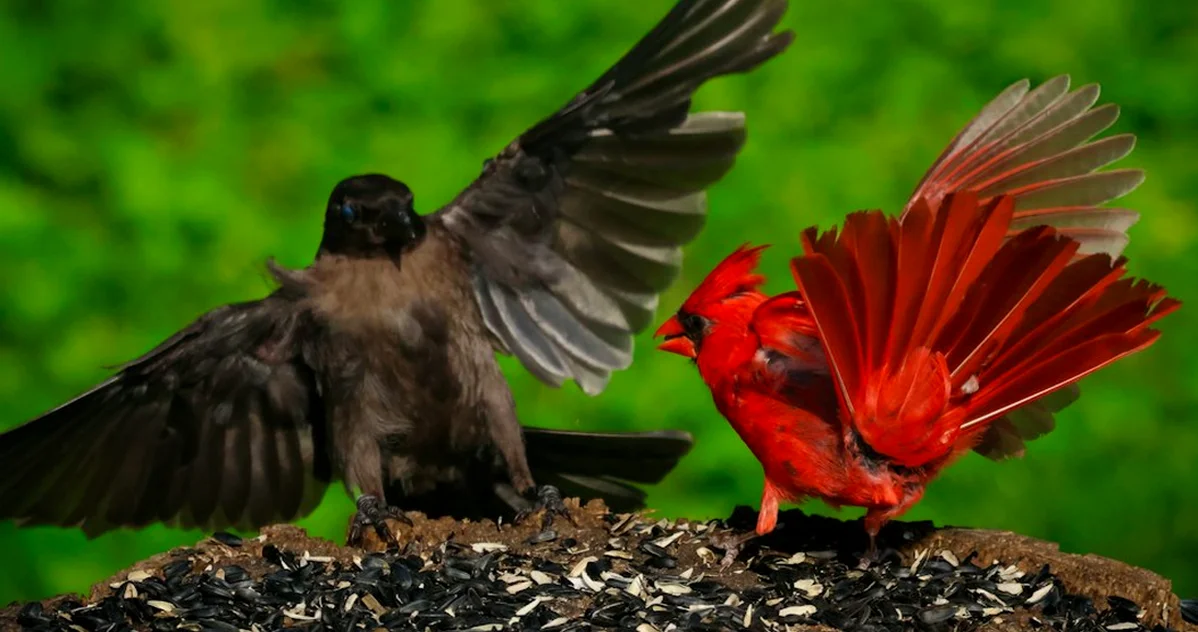
Match seed to garden birds and feeder type
Choose food for the bird and feeder you have: sunflower hearts suit many tits and finches, nyjer seed suits goldfinches in narrow-port feeders, and mealworms suit robins and blackbirds on a tray.
Food for common English garden birds
- Tits and chaffinches: sunflower hearts in a seed feeder are a reliable choice.
- Goldfinches: nyjer seed or finely cut sunflower hearts, ideally in a specialist feeder.
- Robins: mealworms, soft food or sunflower hearts on a sheltered tray.
- Blackbirds: mealworms, soaked dried fruit sold for birds, or small amounts of ground food.
Mixed seed and no-grow options
Mixed seed can work, but filler-heavy mixes containing wheat or whole maize are often scattered or left behind; no-grow or husk-free mixes cost more but reduce sprouting and shell litter beside patios and borders.
A sunflower-heart wild-bird food is a simple first purchase where several species visit the feeder. Choose a pack size that can stay dry after opening.
- Feeds tits, finches and other common birds from a standard seed feeder
- Creates less discarded husk than black sunflower seed
- Works well near patios when paired with a catch tray
Match the feeder as carefully as the food. A standard tube seed feeder with appropriately sized ports keeps sunflower hearts cleaner and drier than an open dish, while a dedicated goldfinch feeder with small feeding ports helps retain fine nyjer seed. A garden bird feeder station can hold separate seed, peanut and tray feeders, reducing competition between birds that feed in different ways. Add a weather guard where rain regularly reaches the ports, a catch tray if shells or seed fall on paving, and a squirrel baffle if squirrels empty feeders before smaller birds can feed.
Leave enough space between feeders for birds to approach them and for you to clean each one separately.
Advertisement
Choose pack size by price, weather and storage
Compare the price per kilogram and buy only what you can store safely: a 2 kg bag suits a new feeder, while a 10 kg to 12.55 kg sack suits established feeding with sealed, rodent-proof storage.
A sensible bag size for your garden
Buy 2 kg to 5 kg if you are learning what visits, have one feeder or lack airtight storage; choose 10 kg to 12.55 kg only when birds feed steadily and the sack can be decanted into a clean bin with a tight lid.
Read the cost beyond the shelf label
A £12 bag weighing 3 kg costs £4 per kg, while a £24 bag weighing 12 kg costs £2 per kg only if every kilogram stays dry, fresh and edible.
Good bird food storage starts before the bag is opened. Keep unopened food off a cold or damp floor and, after opening, transfer manageable amounts into a clean, dry container with a tight-fitting lid; metal bins or robust rodent-proof tubs are preferable to leaving a sack open in a shed. Label the container with the opening date and use older food first, rather than mixing a new bag into old crumbs at the bottom.
Store seed, peanuts and mealworms separately so a damp or infested product cannot spoil everything. If food develops a musty smell, condensation, insects or mould, discard it instead of putting it out for birds.
Avoid damp seed, unsafe peanuts and contamination through feeders
Keep seed dry, clean feeders regularly and never put loose whole peanuts where young birds might choke; use a rigid metal-mesh peanut feeder so birds can peck small pieces.
Clean feeders before contamination builds
Wash seed feeders with hot water and bird-safe disinfectant, rinse and dry them fully before refilling, and remove food that smells musty, looks clumped or has visible mould.
Peanuts, fat balls and squirrel pressure
Offer peanuts only in a proper peanut feeder, keep fat balls in a holder rather than plastic netting, and remember that squirrel-proof feeders do not make stale food safe.
Questions & answers
Can I use budgie seed for wild birds?
Budgie seed is not the best general food for wild garden birds because it is designed for captive budgies. Choose labelled wild-bird food instead.
What is the best bird seed for outside birds?
Sunflower hearts are the best simple starting seed for many birds using outdoor feeders in England. Use nyjer for goldfinches and mealworms separately for robins and blackbirds.
How often should I clean a bird feeder?
Clean a feeder whenever food is wet, clumped or fouled, and at least weekly during regular use. Wash, rinse and dry it before adding fresh food.
Advertisement
Make the next purchase fit your garden
• Check local branch stock before travelling, especially for heavy sacks and specialist foods.
• Buy labelled wild-bird food, not a budgie or cage-bird seed mix.
• Start with sunflower hearts, then add nyjer or mealworms for the species you want to support.
• Compare price per kilogram only after checking that you can keep the whole bag dry, sealed and clean.
• Use proper feeders, remove damp food quickly and maintain bird feeder hygiene.
Where can I buy wild bird food locally today?
Garden centres, local pet shops, farm shops and larger supermarkets often sell wild-bird food the same day. Check the branch page or phone first because stock differs between nearby shops.
Related sources
These articles can help you explore the topic in more depth:
- Bird care | Bird & wildlife supplies — diy.com
- Gouldings has one of Scotland's largest bird care ... — gouldingsgardencentre.com
- The Bird House Seed and Water Feeder 2 Pack — petsathome.com
- Bird Feeder Shop - NatureZone.co.uk — naturezone.co.uk
- Why Sunflower Hearts Go Mouldy in Bird Feeders
- Choose a UK bird seed mix for more birds and less waste

Editorial Team
Our team consists of passionate British birdwatchers and garden wildlife enthusiasts. We provide honest, practical advice on feeding garden birds, choosing the right feeders, and making your outdoor space a haven for UK wildlife — guided by RSPB best practice and real garden experience.
The information on this website is provided for general guidance only. Always follow RSPB and BTO best practice when feeding garden birds. Product recommendations may include affiliate links — see our disclosure policy for details.