A pine cone bird feeder is a short-lived winter treat: use a dry cone, bird-safe fat and fresh seed, then remove it promptly if England’s mild, wet weather makes it soggy, mouldy or rancid.
Table of Contents
Advertisement
Prepare your feeder in 15 minutes
Gather a dry cone, bird-safe fat, seed and natural string to make a pine cone bird feeder in 10 to 15 minutes.
Set out these materials
Use a fully dry, untreated natural pine cone, natural jute or cotton string, bird-safe fat, fresh seed and a blunt knife or spoon reserved for bird food.
Follow this short order
Tie the string first, press fat between the scales, roll the cone in seed and hang it immediately; chill it for 15 to 20 minutes if the coating feels soft.
A natural cone used as a feeder is not the same as a commercial pine-cone-shaped feeder. This DIY version is a short-lived, disposable food holder: its scales trap moisture, it cannot be reliably scrubbed, and it should be removed as soon as the food becomes wet or contaminated. A commercial feeder shaped like a pine cone is usually made from metal or durable plastic and may be designed for suet balls, seed or peanuts; follow its manufacturer's instructions and wash it regularly before refilling.
For a simple homemade bird feeder, choose an untreated natural cone only, use bird-safe fat and fresh food, and replace the whole cone rather than trying to store it between feeding sessions.
Make a safe pine cone bird feeder
Choose ingredients that birds can eat safely and use only a small amount that they can finish quickly.
Choose the fat for today's weather
Commercial bird suet is the simplest option; pure coconut oil is peanut-free but softens quickly. Plain peanut butter must contain no salt, chocolate, sweeteners or xylitol.
| Food choice | Use per cone | Likely visitors | Remove when | |
|---|---|---|---|---|
| Bird suet | 2 to 4 tbsp | Tits, robins, sparrows | Wet, soft, sour-smelling | |
| Unsalted peanut butter | 2 to 3 tbsp | Tits, robins, chaffinches | Wet, oily or stale-smelling | |
| Pure coconut oil | 2 to 3 tbsp | Tits and robins | Softened or running | |
| Sunflower hearts | 2 to 4 tbsp | Finches, tits, sparrows | Damp, clumped or soiled |
Press in seed, not kitchen leftovers
Use sunflower hearts, finely chopped unsalted peanuts or a fresh seed mix; never use leftover cooking fat or other kitchen scraps.
Advertisement
Hang it safely and stop spoilage
Hang the cone high in a sheltered place with open flight space and a clear escape route from cats.
Keep rain and cats away
Choose a branch or hook 1.5 to 2 metres above ground, under light shelter where possible and away from fences, sheds or dense cover cats can use.
Check it before it turns bad
Inspect the cone daily in mild or wet weather and after heavy rain. Remove it within 24 to 48 hours if it is soaked, slimy, mouldy, stale-smelling or covered in droppings.
Know when to use another feeder
Treat a coated cone as disposable food, not a permanent feeder; use a washable feeder during persistent warm or rainy weather.
Good garden bird feeding includes cleaning the space beneath the cone as well as checking the food itself. Every few days, or daily during wet weather, sweep away dropped seed and remove any damp clumps from the ground, because these can become mouldy bird food and may attract rodents. Wipe the hanging hook or nearby feeding surface if it is soiled, and move a pine cone feeding station slightly from time to time so waste does not build up in one patch of lawn or paving.
A homemade bird feeder should be discarded rather than washed and reused once its scales hold rancid bird fat, mould or droppings; use a clean replacement cone instead.
If squirrels are taking the cone, hang it from a slender, free-hanging branch or use a smooth hanging hook positioned well away from fences, tree trunks and sheds they can jump from. Do not add chilli, sticky substances or other deterrents to make a safe bird feeder, as these can harm wildlife or create a mess. If no birds visit, leave the feeder in a quiet, visible position with nearby cover but an open flight route, and allow several days for local birds to notice it.
Fresh seed mix and sunflower hearts are more likely to appeal than old, dusty seed, while birds usually find winter food more quickly when other natural foods are scarce.
FAQs
Ask these questions before putting out the next cone.
How can I use pine cones as bird feeders?
Use a clean, dry untreated cone, bird-safe fat and fresh seed, then hang it with natural string. Tie the string first, press fat between the scales and remove the cone if it becomes wet, mouldy or rancid.
Is peanut butter safe for garden birds?
Plain peanut butter without salt or xylitol can be used in small amounts for wild birds. Avoid jars with chocolate, sweeteners, flavourings or added salt, and replace the cone within 24 to 48 hours if rain has soaked it.
Can I make a pine cone feeder without peanuts?
Yes, commercial bird suet or pure solid coconut oil can bind seed to a dry cone. Coconut oil is useful for peanut-free feeding, but remove it quickly when mild weather makes it soft.
Why are the seeds falling off my pine cone?
Seeds fall when the fat coating is too thin, too warm or if the string was tied badly. Chill a freshly coated cone for 15 to 20 minutes, then press the seed firmly into the scales.
How often should I replace a pine cone feeder?
Check it daily in wet or mild weather and remove it within 24 to 48 hours if it is soaked or spoiled. In cold, dry conditions, replace it whenever it smells stale, shows mould or attracts droppings.
Can budgies eat food from a wild bird feeder?
Budgies should not eat from outdoor wild bird feeders or share food with wild birds. Pet birds need separate species-appropriate diets and clean indoor feeding equipment to limit contact with wild-bird disease.
- A dry, untreated natural cone is the only safe starting point.
- Use bird suet, or peanut butter that is plain, unsalted and xylitol-free, with fresh seed.
- Hang the cone high, sheltered and away from cat ambush points.
- During England’s wet, mild spells, check daily and remove food that is wet, mouldy, rancid or soiled.
Which birds will visit a seed-covered cone?
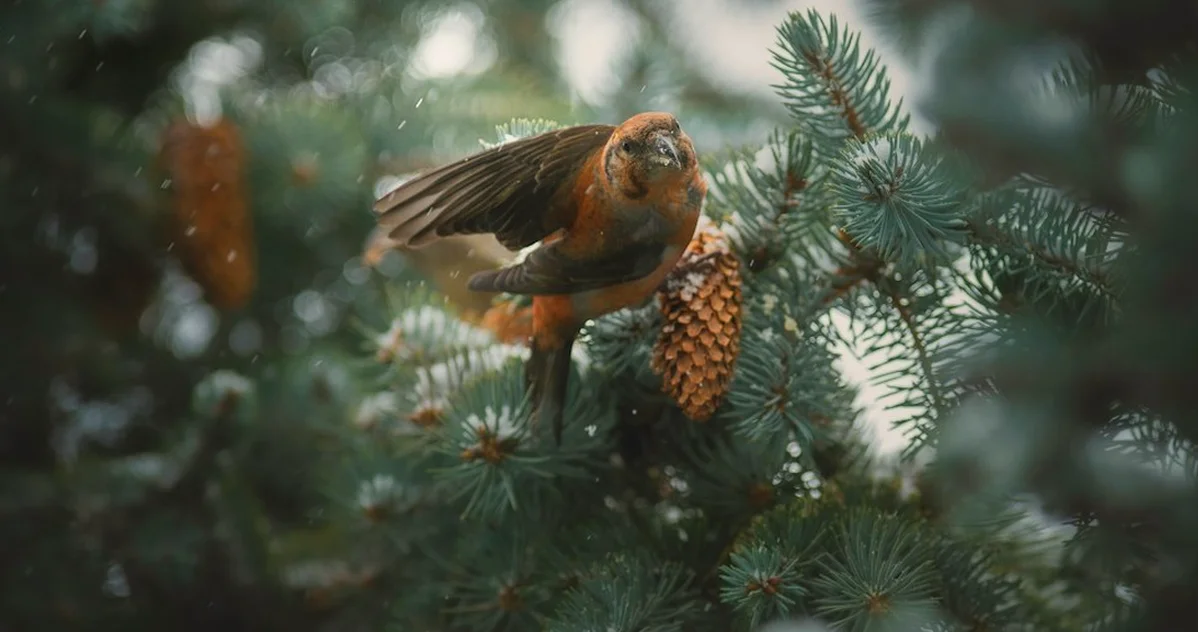
Blue tits, great tits, robins, chaffinches and house sparrows may visit a fat-and-seed cone in England. Crossbills eat cone seeds in woodland, but they are not regular visitors to most urban gardens.
Where should I hang a pine cone bird feeder?
Hang it 1.5 to 2 metres above ground with a clear escape route and away from dense cat cover. A sheltered branch or hook is better than an exposed fence line where rain can soak the food.

Editorial Team
Our team consists of passionate British birdwatchers and garden wildlife enthusiasts. We provide honest, practical advice on feeding garden birds, choosing the right feeders, and making your outdoor space a haven for UK wildlife — guided by RSPB best practice and real garden experience.
The information on this website is provided for general guidance only. Always follow RSPB and BTO best practice when feeding garden birds. Product recommendations may include affiliate links — see our disclosure policy for details.