The reported RSPCA reminder to wash hands immediately after contact with a hedgehog is not a reason to make a UK garden less welcoming to wildlife. It is a reason to run feeding and watering areas more carefully.
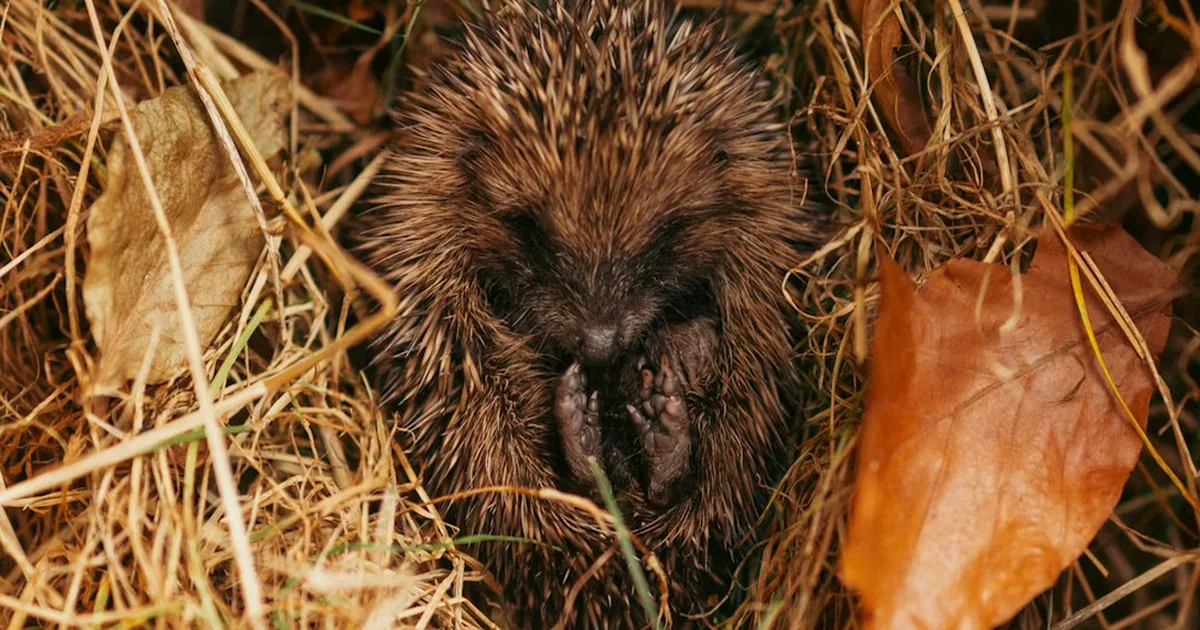
For people who feed garden birds, hedgehogs are often an unexpected part of the routine. They may visit beneath a seed feeder after dark, investigate fallen sunflower hearts, drink from a bird bath, or pass through the same sheltered corners used by wrens and blackbirds. That overlap matters because food waste, standing water and unwashed hands can all create avoidable hygiene risks for people, pets and wildlife.
The practical message is straightforward: enjoy seeing hedgehogs, avoid unnecessary handling, and treat feeder stations as places that require regular cleaning rather than permanent, maintenance-free installations.
Table of Contents
Advertisement
Why the warning matters around bird-feeding areas
Hedgehogs, like other wild animals, can carry germs without looking unwell. Their droppings, saliva and the surfaces they have walked over may be contaminated. The concern is not that every hedgehog is dangerous, nor that a brief sighting in the garden presents an immediate health emergency. The risk rises when someone handles an animal, clears droppings with bare hands, touches dishes or feeders and then eats, smokes, touches their face, or prepares food without washing properly.
Children are especially worth considering. A child may be delighted by a hedgehog in the garden and then pick up a fallen feather, scoop seed from a tray, or touch a water bowl. Garden bird feeding is a valuable way to connect children with nature, but it should come with a simple household rule: wildlife equipment is not a toy, and hands are washed with soap and warm water after helping outdoors.
For bird-feeding households, the larger lesson is that a feeding station is shared infrastructure. Birds, squirrels, mice, foxes, hedgehogs and neighbourhood cats may all use its surrounding ground at different times. Good hygiene protects the visitor as well as the gardener.
The key issue: spilt food changes who visits
A tube feeder can seem exclusively for goldfinches or blue tits, but seed that lands underneath it is a food source for ground-feeding birds and nocturnal mammals. A small amount of natural spill is unavoidable. A thick, damp carpet of discarded seed is not.
Old seed can become mouldy, attract rodents and create a concentration of droppings. It also encourages hedgehogs to linger around an area designed primarily for birds. Hedgehogs are insect-eaters and do best with natural foods such as beetles, caterpillars and other invertebrates; they should not depend on bird seed, bread, milk or leftovers from a feeder tray.
Make bird feeding less wasteful
Use a seed tray beneath hanging feeders where appropriate, or choose no-mess seed mixes and sunflower hearts with little husk. Check the feeder ports: if seed is pouring out whenever a starling lands, the feeder may be damaged or poorly adjusted.
Sweep up accumulations of old food regularly, ideally using a dedicated brush and pan kept for outdoor use. Wear disposable gloves if clearing droppings or wet debris, then wash hands thoroughly. Do not shake old seed into flowerbeds or compost it if it is visibly mouldy or contaminated with faeces.
This approach reduces waste, limits rodent pressure and makes the garden healthier for finches, robins and hedgehogs alike.
Advertisement
Safe cleaning without over-sanitising the garden
There is a difference between sensible hygiene and trying to sterilise wildlife out of a garden. The latter is neither realistic nor beneficial. Instead, focus cleaning on the places where animals congregate around food and water.
A practical feeder and water routine
- Top up little and often. Put out an amount birds can eat before it becomes damp or stale, particularly during wet autumn weather.
- Wash feeders regularly. Empty them, brush away residue, wash with hot soapy water and rinse thoroughly before allowing them to dry completely and refilling.
- Refresh water daily. Bird baths and drinking dishes can spread contamination when water is allowed to become dirty. Scrub the bowl routinely and refill with clean water.
- Move feeding spots occasionally. Rotating the position of a feeder or ground tray helps prevent a heavily fouled patch developing underneath.
- Keep food and water apart. Placing water a short distance from seed reduces the amount of husks, droppings and debris entering it.
- Use separate cleaning tools. Do not use kitchen cloths, washing-up sponges or bowls that later return to food preparation.
If a feeder or bath is heavily contaminated, empty it and clean it before putting it back. During an apparent disease event among birds, such as several sick or dead finches at one site, stop feeding temporarily, clean equipment thoroughly and seek current guidance from an appropriate wildlife or animal-health body.
What to do if you find a hedgehog
The best response to a healthy-looking hedgehog is usually to leave it alone. Watch from a respectful distance, keep dogs away and let it continue its nightly route. Avoid picking it up simply for a closer look or a photograph.
A hedgehog that is out during daylight, lying exposed, visibly injured, trapped, covered in flies, or behaving unusually may need specialist advice. If handling is genuinely necessary, use gloves or a towel, place the animal securely in a high-sided box with air holes, and contact a local wildlife rescue, veterinary practice or the RSPCA for guidance. Keep it away from pets and children while you wait for advice.
After any contact with a hedgehog, its droppings, bedding or the container used to transport it, wash hands immediately with soap and warm running water. Alcohol gel can be useful when away from a sink, but it is not a full substitute when hands are visibly dirty.
Pets need sensible boundaries too
Dogs are often the immediate challenge. A curious dog can frighten or injure a hedgehog, while close contact may expose the dog to fleas, parasites or contaminated material. Supervise dogs after dark if hedgehogs are regular visitors, and do not allow them to mouth, paw or carry wildlife.
Do not put flea treatments, pesticides or garden chemicals near a hedgehog feeding or nesting route without checking whether they are wildlife-safe. Slug pellets and some insect-control products can cause direct or indirect harm. Gardeners can reduce the need for chemicals by removing excess feeder spill, keeping bins secure and encouraging natural predators rather than trying to eliminate every invertebrate.
Advertisement
Creating a garden that is safe for birds and hedgehogs
The most wildlife-friendly garden is not the one with the most food scattered outside. It is the one with reliable clean water, sheltered planting, safe access and feeding equipment that is maintained properly.
Leave a small, unobstructed gap at the base of a fence for hedgehog movement where feasible, but check ponds have a shallow escape route. Keep netting stored safely, inspect compost heaps before turning them, and avoid strimmer use in dense vegetation without checking first. For birds, provide cover close to feeders, position feeders away from places where cats can ambush, and clean stations routinely.
The RSPCA-related warning should therefore be read as a prompt for better habits, not fear. A hedgehog at the feeder station tells you that your garden is part of a wider wildlife corridor. With less spilt seed, cleaner water, hands washed after outdoor jobs and minimal handling of animals, that can remain a positive sign.
FAQ
Should I stop feeding birds if hedgehogs visit my garden?
No. Continue feeding birds responsibly, but prevent large quantities of seed building up beneath feeders. Use suitable feeder designs, clear old spill promptly and avoid leaving food out overnight specifically for birds.
Can hedgehogs catch diseases from dirty bird feeders?
Shared food and water areas can expose many species to contamination. Keeping feeder spill low, cleaning water bowls and removing spoiled food reduces risk for birds, mammals and people.
Is it safe for children to watch a hedgehog?
Yes, from a distance. Teach children not to touch the hedgehog, droppings, bowls or feeder debris, and to wash their hands after spending time in the garden.
What food should I offer a hedgehog?
Do not rely on bird seed, bread or milk. If supplementary food is needed, seek current advice from a recognised hedgehog welfare organisation; clean water is generally the most useful provision. Any food offered should be removed before it spoils and placed away from bird feeders.
Source: getsurrey.co.uk — Sat, 03 Oct 2026 00:47:00 GMT

Editorial Team
Our team consists of passionate British birdwatchers and garden wildlife enthusiasts. We provide honest, practical advice on feeding garden birds, choosing the right feeders, and making your outdoor space a haven for UK wildlife — guided by RSPB best practice and real garden experience.
The information on this website is provided for general guidance only. Always follow RSPB and BTO best practice when feeding garden birds. Product recommendations may include affiliate links — see our disclosure policy for details.