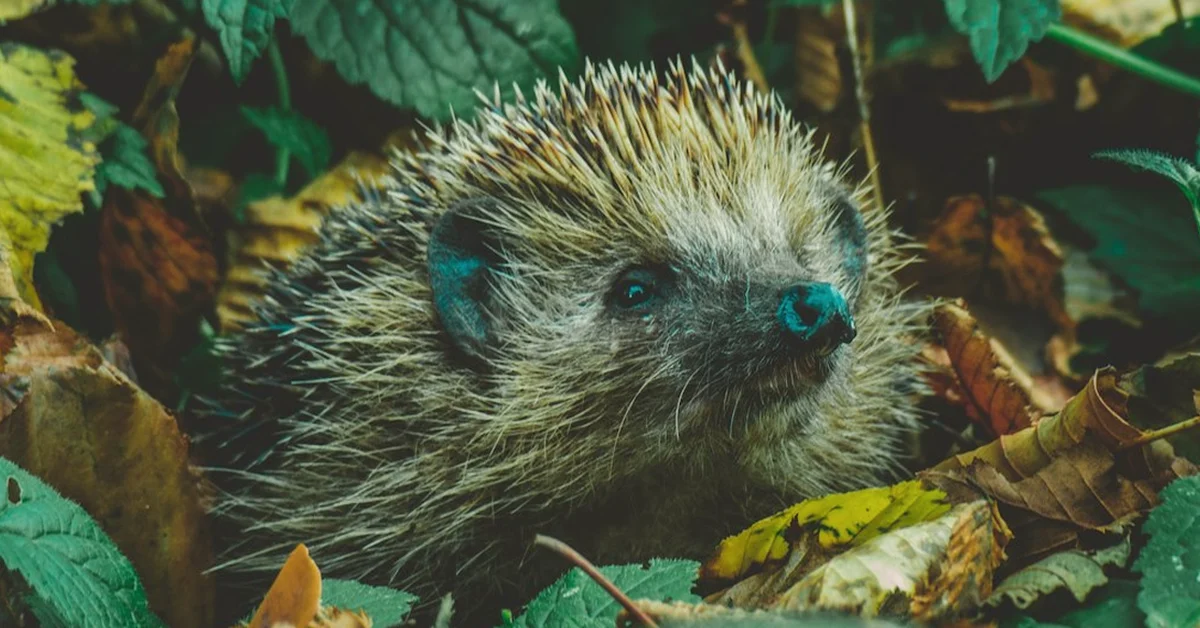
The RSPCA-linked handwashing warning reported by Surrey Live is a useful reminder that a wildlife-friendly garden needs sensible hygiene as well as food, water and shelter. The animal in question is the hedgehog: a much-loved visitor to UK gardens, but one that should be enjoyed at a respectful distance.
The important point for bird-feeding households is not that hedgehogs are ‘dangerous’ or unwelcome. It is that wild animals, their droppings, saliva and the surfaces they contact can carry organisms that may cause illness in people and pets. Good garden hygiene lets householders support hedgehogs and birds without turning feeding stations, water dishes or children’s outdoor play areas into avoidable contamination points.
Table of Contents
Advertisement
What the handwashing warning actually means
Hedgehogs can carry bacteria such as Salmonella without appearing unwell. Humans may be exposed after handling a hedgehog, touching faeces, cleaning a box or bowl it has used, or touching contaminated soil and then touching their face, food or kitchen surfaces. Young children, older people, pregnant people and anyone with a weakened immune system should be particularly careful.
That does not mean you need to wash your hands merely because a hedgehog walked across the lawn overnight. The practical trigger is contact: direct handling, clearing droppings, moving a food dish, cleaning a water bowl, or touching an area likely to be contaminated. Wash hands thoroughly with warm water and soap straight afterwards. Hand gel can be useful when outdoors, but it is not a substitute for proper washing where hands are visibly dirty.
This distinction matters. Alarmist reactions can lead people to remove habitat, stop supplying water or chase hedgehogs away. That would be counterproductive at a time when hedgehogs face major pressures from habitat fragmentation, road traffic, enclosed gardens and reduced access to natural food.
Why bird feeders can become part of the issue
A standard elevated seed feeder is not a hedgehog feeding station. However, bird feeding inevitably produces fallen seed, husks and droppings beneath the feeder. This attracts a wider cast of garden visitors, including hedgehogs, mice, rats, foxes and squirrels. A busy feeding patch can therefore become a shared surface between wild birds, mammals, pets and people.
Spilled food changes who visits the garden
Hedgehogs are largely insect-eaters, but will investigate accessible food scraps and may eat food put out for other animals. More significantly, regular piles of food under feeders can draw rodents. Rodents bring separate hygiene and property concerns, and their presence may discourage some householders from feeding birds altogether.
The solution is not necessarily to remove feeders. It is to feed more precisely:
- Use feeders with seed trays or guards where appropriate to reduce scatter.
- Put out only the quantity birds are likely to eat in a day or two.
- Sweep up substantial accumulations of discarded seed and wet food.
- Do not leave bread, table scraps, milk or pet food under bird feeders.
- Position feeders away from patios where children play or where pets eat.
Cleaning beneath feeders is as important as cleaning the feeder itself. If you use a brush, scoop or gloves for this task, keep them for outdoor wildlife jobs only and do not bring them into food-preparation areas.
Water bowls need a cleaner routine
Ground-level water is valuable for birds, hedgehogs and other wildlife, especially during dry spells. Yet communal bowls can also accumulate droppings, soil and algae. A shallow bird bath or drinking dish should be emptied, scrubbed and refilled regularly; daily is sensible during warm weather or when it is heavily used.
Use a dedicated brush and rinse well after cleaning. Do not clean bowls in the kitchen sink. If a sick or dead animal is found near the water, wear disposable gloves, remove it without direct contact where possible, disinfect the relevant equipment according to the product instructions, and wash your hands thoroughly.
Advertisement
A practical approach if you see a hedgehog
Seeing a hedgehog after dusk is usually a positive sign. Watch quietly, keep dogs indoors or on a lead, and avoid picking it up for a photograph. Children should be taught the simple rule: look, do not touch, then tell an adult if the animal appears to be in trouble.
A hedgehog may need help if it is out in daylight, is lying exposed and unresponsive, is visibly injured, trapped, covered in flies, or appears very weak. In those cases, contact a wildlife rescue, veterinary practice or the RSPCA for current advice. Handling should be limited to genuine welfare situations and done with gloves or a towel where advised. Afterwards, clean any surface the animal contacted and wash hands immediately.
If you intentionally provide supplementary food for hedgehogs, use a shallow, washable dish in a quiet area separate from bird feeders. Specialist hedgehog food or plain meat-based wet cat or dog food may be used in moderation; fresh water is essential. Never offer milk, as hedgehogs are lactose intolerant and it can cause diarrhoea and dehydration. Remove uneaten food promptly, particularly in mild weather.
Protecting pets without excluding wildlife
Dogs are often curious about hedgehogs and may bark, paw or attempt to pick one up. Check the garden before letting a dog out at night, especially around feeding areas, compost heaps, dense planting and sheds. Do not allow pets to eat spilled bird food or drink from dirty wildlife bowls.
For cat owners, the concern is usually less direct confrontation and more shared feeding areas. Keep cat food indoors where possible. Outdoor pet food left overnight is likely to attract hedgehogs, foxes and rodents, and it blurs the boundary between a managed pet-feeding area and a wildlife one.
Avoid using slug pellets and pesticides simply because hedgehogs are present. These products can reduce the invertebrates hedgehogs need and may create poisoning risks. Instead, create safe passage through fences with a 13cm by 13cm gap, cover drains and ponds appropriately, and check bonfires before lighting them.
Hygiene supports conservation rather than undermining it
The wider lesson from the warning is that feeding wildlife is a responsibility, not merely a pleasant garden activity. Disease risk rises when many animals gather around stale food, dirty containers and crowded feeding sites. The same principle is familiar to experienced bird feeders: feeders should be cleaned routinely, mouldy food discarded, and outbreaks of sick-looking birds taken seriously.
A well-run garden feeding station separates food types, limits waste, refreshes water and gives wildlife space. It also reduces the likelihood that a child, visitor or pet encounters droppings or contaminated dishes. These habits protect the people using the garden while keeping it hospitable for robins, tits, blackbirds, hedgehogs and other regular visitors.
Advertisement
FAQ
Do I need to stop feeding birds if hedgehogs visit my garden?
No. Continue feeding birds, but prevent large quantities of seed building up beneath feeders, clean feeding equipment regularly and keep any hedgehog food in a separate area.
Can I pick up a hedgehog to move it?
Only if it is in immediate danger or appears to need help. Use gloves or a towel where appropriate, minimise handling, seek rescue advice and wash your hands thoroughly afterwards.
What should I do if my dog touches a hedgehog?
Separate them calmly, check the hedgehog for injury without unnecessary handling, and contact a wildlife rescue if it seems hurt. Wash your own hands after touching either animal or any contaminated surface, and prevent the dog from returning to the area.
Is hand sanitiser enough after cleaning a bird feeder or wildlife bowl?
Soap and running water are preferable, especially after contact with droppings, soil or wildlife dishes. Clean equipment outdoors or in a utility area, not where food is prepared.
Source: Surrey Live — Sat, 03 Oct 2026 00:47:00 GMT

Editorial Team
Our team consists of passionate British birdwatchers and garden wildlife enthusiasts. We provide honest, practical advice on feeding garden birds, choosing the right feeders, and making your outdoor space a haven for UK wildlife — guided by RSPB best practice and real garden experience.
The information on this website is provided for general guidance only. Always follow RSPB and BTO best practice when feeding garden birds. Product recommendations may include affiliate links — see our disclosure policy for details.