PetHelpful’s recent feature on autumn actions for birds is a useful prompt, but for UK gardeners the important question is not simply how to make a garden look wildlife-friendly. It is how to make it reliably useful when daylight shortens, natural food becomes less accessible and birds need safe places to feed, drink and roost.
Autumn is a transition rather than a single event. Berries may still be available, insects can remain active on mild days, and some garden birds are preparing for winter while others are passing through. A garden that supplies varied food, unfrozen water, cover from predators and a clean feeding area can help resident species such as robins, blue tits, blackbirds, dunnocks and house sparrows cope with that change. It can also support visiting redwings, fieldfares and winter thrushes where conditions and local habitat allow.
Table of Contents
Advertisement
Why autumn garden care matters for birds
A tidy garden is not always a productive garden. Removing every fallen leaf, cutting every seedhead and clearing all dead stems can strip away food and shelter precisely when birds need both. However, leaving a garden entirely unmanaged is not automatically beneficial either: spoiled feed, algae-covered water and dense vegetation immediately around feeding stations can increase disease and predation risks.
The practical lesson behind expert autumn advice is balance. Retain natural resources where they are safe and useful, while actively managing the places where birds congregate. Feeders and bird baths concentrate birds in unusually close contact, so these require more hygiene than a berry-bearing shrub or a leaf pile beneath a hedge.
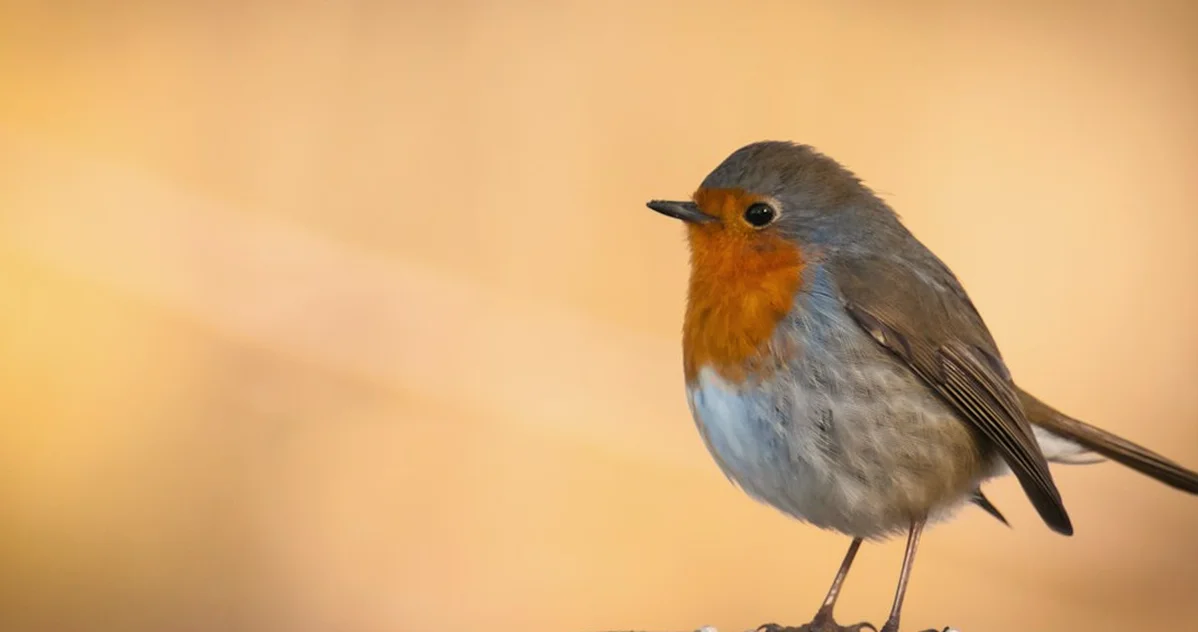
Build a safer autumn feeding routine
Offer the right foods, not just more food
As temperatures fall, high-energy foods become especially valuable. Black oil sunflower seed, sunflower hearts, peanuts sold specifically for wild birds, suet pellets and quality seed mixes can all be useful choices. Sunflower hearts are particularly popular with finches and tits, while suet can provide a dense energy source during cold snaps.
Avoid inexpensive mixes dominated by wheat or other large cereal grains if they are regularly left untouched. Uneaten food becomes wet, mouldy or attracts rats. A better approach is to offer modest quantities and adjust according to what your local birds finish in a day or two.
Different feeding positions serve different species:
- Tube feeders suit tits, finches and siskins.
- Ground or low tray feeding, placed carefully, can help robins, dunnocks and blackbirds.
- A secure peanut feeder is suitable for whole peanuts; do not scatter whole peanuts where young children or pets might access them.
- Mealworms, ideally soaked if dried, can be a helpful supplementary food for robins and insect-eating species, but should not replace a varied diet.
If you feed on the ground, use a small movable tray or a clear hard surface rather than throwing food into long grass. Remove leftovers daily. This reduces waste and makes it easier to spot droppings, damp food and signs that rodents are becoming regular visitors.
Clean feeders before winter demand rises
Autumn is an excellent time to inspect feeding equipment. Feeders with cracked ports, perches that cannot be cleaned, or trapped damp seed should be replaced. Wash feeders regularly with hot soapy water, rinse thoroughly and allow them to dry fully before refilling. A dedicated brush is useful for reaching seed ports and mesh.
This is not cosmetic maintenance. Diseases such as finch trichomonosis can spread where birds feed close together, particularly if food and surfaces are contaminated. If you see sick or dead birds, including birds that are fluffed up, lethargic, struggling to swallow or showing swollen faces, stop feeding temporarily, remove feeders and bird baths, and clean the area thoroughly. The British Trust for Ornithology and the RSPB provide current reporting and hygiene guidance.
Move feeders occasionally as well. Rotating their position prevents a heavily contaminated patch from developing directly below the station.
Advertisement
Water is as important as seed
Birds need water for drinking and bathing throughout the year. In autumn, a shallow bird bath helps birds maintain feather condition before harsher weather arrives. Place it where birds have a clear view of approaching cats, but close enough to shrubs or a hedge that they can retreat to cover.
Refresh the water daily and scrub the bath at least weekly; more often if it is heavily used. Do not use antifreeze, salt or chemical de-icers. During frost, break and remove ice, then add fresh water. A purpose-made bird-bath heater may be practical in prolonged freezing conditions, provided it is installed and used according to the manufacturer’s safety instructions.
For households with dogs, position the bird bath away from energetic play routes and avoid treating nearby surfaces with products that could wash into the water. A bird bath should be shallow, with a gently sloping edge or stones that give smaller birds secure footing.
Let part of the garden stay naturally messy
Keep seedheads, leaves and dead wood where appropriate
Leaving some seedheads standing provides autumn and winter forage for seed-eaters. Teasels, grasses and plants such as echinacea can hold seed well into the colder months. Fallen leaves also support invertebrates, which in turn provide food for wrens, robins, blackbirds and other birds that search through ground cover.
Instead of clearing leaves from every border, rake them off lawns and paths but create a leaf pile in a quiet corner. This can support insects and other invertebrates, as well as offering shelter to amphibians and hedgehogs. Check piles before moving them, especially before lighting bonfires; the safest option for garden wildlife is to avoid bonfires altogether.
Dead wood can be equally valuable. A small log pile away from the main feeding area creates crevices for invertebrates. It does not need to look neglected: a deliberately arranged habitat pile beside a hedge can be both tidy and ecologically useful.
Plant and protect natural food sources
Feeders should supplement rather than replace a garden’s natural food web. Native or wildlife-friendly shrubs that provide berries, cover or flowers can make a garden more resilient when a feeder is empty or temporarily removed for cleaning.
Holly, hawthorn, rowan, crab apple, dog rose and ivy are valuable examples, though suitability depends on the garden’s size, soil and existing planting. Ivy is often unfairly removed in autumn; mature ivy can provide late nectar for insects, berries for birds and dense shelter. Keep it managed where necessary, but do not assume every climbing stem is a problem.
If planting this autumn, water new shrubs during dry spells and protect them from browsing or accidental damage. The benefit is long-term: a hedge planted now may become a future roosting site, a refuge from sparrowhawks and cats, and a source of berries or insects.
Reduce predictable risks around feeding stations
Autumn feeding can attract birds, but it can also create a predictable hunting point for cats. Place feeders roughly two metres from dense cover where possible: close enough for birds to escape towards shelter, but not immediately beside a hidden launch point. Avoid positioning them next to fences, sheds or branches that give cats easy access.
Window strikes are another preventable hazard. If feeders are very close to a window, birds cannot build enough speed for a serious collision; alternatively, position them more than 10 metres away. For the awkward middle distance, use external window markers or a suitable collision-deterrent film. Place these on the outside of the glass and follow product spacing guidance.
Garden chemicals also deserve attention in autumn. Slug pellets, insecticides and weedkillers can reduce the invertebrate life birds depend on, while some products can pose direct risks to wildlife and pets. Integrated pest management—physical barriers, hand removal, habitat for predators and accepting a modest level of plant damage—is usually a more bird-friendly direction.
Advertisement
What this means for UK garden bird lovers
The value of the autumn checklist is not in completing seven isolated jobs. It is in creating a routine that continues through winter: put out sensible amounts of good food, provide clean water, leave natural cover in place, and monitor the feeding area for hygiene or predator issues.
For renters and people with very small gardens, this does not require a major redesign. One clean feeder, one shallow water dish, a pot of seed-bearing plants and a decision not to over-tidy can make a meaningful difference. For larger gardens, the priority is diversity: feeders in safe locations, shrubs and hedges, a leaf or log pile, and areas where insects can persist.
Most importantly, watch what happens. Which foods disappear first? Are birds using the bath? Is seed collecting beneath the feeder? Are cats waiting nearby? The best wildlife-friendly garden is not a fixed display; it is adjusted in response to the birds and other animals that actually use it.
FAQ
Should I feed garden birds every day in autumn?
Regular feeding is helpful, but the quantity matters more than providing a large amount. Offer enough that food stays fresh and is mostly eaten quickly. If you begin a routine, try to keep it dependable during cold weather, while remembering that natural food and habitat remain essential.
Can I leave fallen leaves on my lawn for birds?
It is usually better to remove thick layers from lawns, where they can smother grass, and place them in borders or a separate leaf pile. Birds can forage among the invertebrates that gather there, and the pile supports wider garden wildlife.
What should I do if I find a sick bird at my feeder?
Stop feeding for a period, take down feeders and bird baths, clean them thoroughly and remove any scattered food. Clean the ground beneath as far as practical and relocate feeders before restarting. Check current disease advice from the BTO or RSPB, particularly if you find multiple sick or dead birds.
Are berries enough to feed birds over winter?
Berry-bearing plants are extremely useful, but no single food source meets every species’ needs throughout winter. A varied garden with seeds, berries, invertebrate habitat, clean water and carefully managed supplementary feeding offers more reliable support.
Source: PetHelpful — Wed, 21 Oct 2026 15:12:00 GMT

Editorial Team
Our team consists of passionate British birdwatchers and garden wildlife enthusiasts. We provide honest, practical advice on feeding garden birds, choosing the right feeders, and making your outdoor space a haven for UK wildlife — guided by RSPB best practice and real garden experience.
The information on this website is provided for general guidance only. Always follow RSPB and BTO best practice when feeding garden birds. Product recommendations may include affiliate links — see our disclosure policy for details.