Table of Contents
Advertisement
Winter support is about reliability, not simply putting out more food
The Irish News has highlighted how gardeners can help birds survive winter, a timely prompt as shorter days, colder nights and reduced natural food supplies change the pressures faced by garden birds. For UK householders, the important message is not that every garden must become a feeding station filled with the most expensive products. It is that a few well-managed resources, offered consistently and hygienically, can make a meaningful difference when birds need to conserve energy.
Winter is energetically demanding. Small birds such as blue tits, coal tits, wrens and robins must maintain body temperature through long, cold nights, then find enough calories during limited daylight hours to replace what they have used. Frost can harden soil and make invertebrates less accessible; prolonged rain can reduce the availability of dry seed and shelter; and cold snaps can turn a bird’s daily search for food into an urgent task.
This is why a garden that offers accessible food, unfrozen water and cover can be more valuable than one that merely has a full feeder for a weekend. The practical issue is continuity. Once birds include a garden in their regular feeding route, abruptly allowing feeders to remain empty during severe weather can remove a resource they have come to depend on.
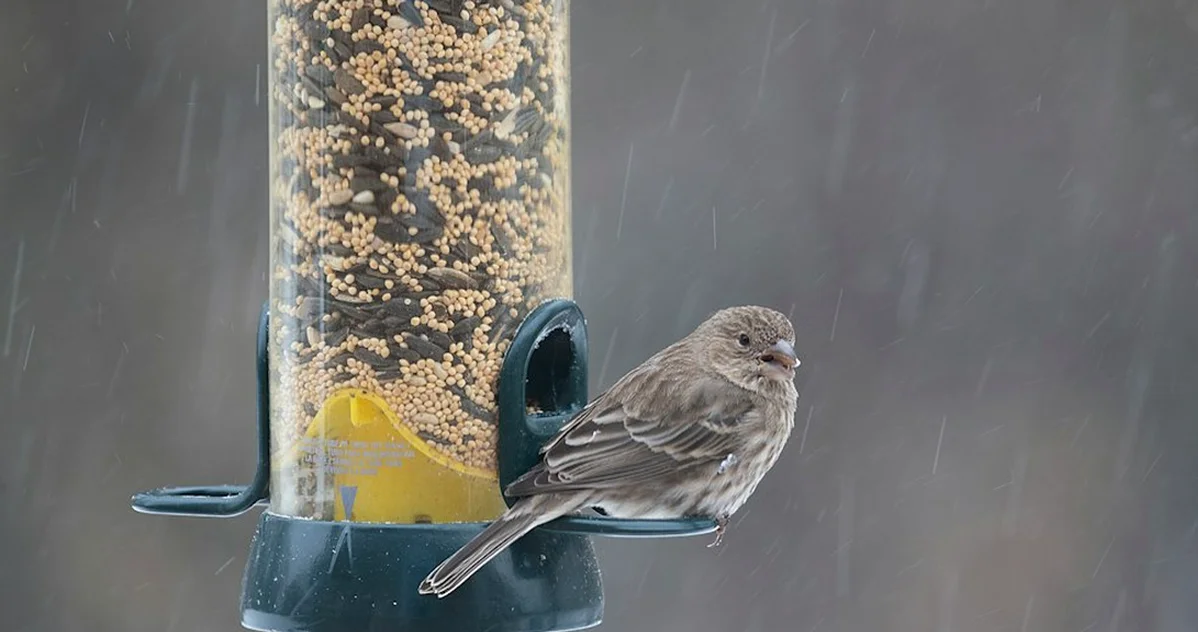
The best winter foods depend on the species visiting
A mixed approach is more useful than assuming one seed blend suits every bird. Different species feed at different heights and have different bills, diets and ways of avoiding competition.
High-energy foods for cold spells
Sunflower hearts are a strong all-round choice. They are energy-rich, leave little husk waste and appeal to many common garden visitors, including tits, finches and nuthatches. Peanuts can also be valuable, but should be sold specifically for wild birds and offered in a proper mesh feeder rather than scattered whole. Whole peanuts on the ground can present a choking risk to young birds and are less appropriate where food may be reached by pets.
Suet products, fat balls and suet pellets are particularly useful in cold conditions because fat delivers concentrated energy. Choose products without loose plastic netting. Birds can become entangled in it, while discarded netting creates unnecessary litter and wildlife risks. Place suet in a secure feeder or purpose-made holder instead.
Ground-feeding birds, including robins, blackbirds, dunnocks and song thrushes, may benefit from small quantities of mealworms, raisins soaked in water, chopped apple or specialised softbill food. Food placed on a table or tray should be cleared before nightfall, particularly if rats, foxes or neighbourhood cats are active.
Avoid foods that create problems
Bread may attract birds, but it offers poor nutrition as a staple. Salty leftovers, cooked foods, mouldy food and rancid fats should never be put out. Kitchen scraps can also increase the likelihood of attracting rodents. If using seed mixes, look for blends with clear, useful ingredients rather than those dominated by cheap fillers that many birds discard.
A good rule is to feed modestly and refill frequently. This reduces waste, discourages pests and makes it easier to spot when food has become damp or contaminated.
Advertisement
Feeder hygiene is a winter welfare issue
More birds gathering at a limited number of feeding points can increase the risk of disease transmission. This does not mean feeders should be removed at the first sign of concern, but it does mean they need active management.
Wash feeders regularly with hot water and a suitable wildlife-safe disinfectant, following the product instructions. Allow them to dry fully before refilling. Sweep away old husks and droppings beneath feeders, and rotate the feeding position where possible so waste does not build up in one patch of ground.
If several birds appear lethargic, fluffed up during the day, or show visible swellings or lesions, stop feeding temporarily and clean the entire station. Consult current guidance from a recognised wildlife health or bird conservation organisation before restarting. Gardeners should also avoid handling sick or dead birds with bare hands; use gloves, wash hands thoroughly and keep pets away from the area.
This routine matters because a feeder is not automatically beneficial. A neglected feeder can concentrate birds and pathogens in the same place. In contrast, a clean, well-spaced feeding set-up provides support while reducing avoidable risk.
Water can be as important as seed
During frosts, accessible drinking water can be difficult to find. A shallow bird bath, plant saucer or purpose-made water dish can help, provided it is kept clean and replenished. Place stones or a shallow ramp in deeper containers so small birds can drink safely.
Do not add salt, antifreeze, glycerine or chemicals to prevent freezing. These substances are harmful. Instead, refresh the water with lukewarm—not hot—water in the morning and check it again later in the day during hard frosts. A floating object may slow surface freezing, but it is not a substitute for regular checks.
Water dishes should be positioned where birds have a clear view of approaching cats, while still being near enough to shrubs or dense planting for an escape route. The same principle applies to feeders: birds need cover, but a feeder tucked deep inside a dense hedge may make an ambush easier.
Shelter and natural food make feeding more resilient
The wider significance of the winter-gardening advice is that bird care should not rely exclusively on purchased food. A garden with structural diversity provides protection and natural foraging opportunities even when feeders are empty.
Leave some of the garden untidy
Seedheads from teasels, sunflowers and other suitable plants can provide food for finches. Ivy supports insects and offers cover. Hedges, evergreen shrubs and climbers create sheltered roosting spots during wet, windy nights. Leaf litter beneath shrubs can contain invertebrates for blackbirds, robins and wrens.
This does not require abandoning garden maintenance. It means being selective: leave a quiet corner, delay cutting back some seed-bearing stems, and avoid stripping every fallen leaf from beds. These small choices can extend the food web beyond the feeder.
Reduce risks around feeding areas
Keep feeders at least a short distance from dense cover where cats can hide, ideally using a pole with a baffle where feasible. Bring food in at dusk if rodents are a recurring problem. If you have a cat, fitting a properly designed collar bell and bright collar cover, while keeping it indoors around dawn and dusk, can reduce hunting pressure on vulnerable birds.
Windows are another overlooked danger. If feeders are close to glass, place them very near the window—within around one metre—or much farther away, so birds are less likely to build up dangerous flight speed. Visible window markings can further reduce collisions.
Advertisement
A practical winter routine for UK gardens
For gardeners who want an achievable plan, focus on the following:
- Offer a core food consistently: sunflower hearts plus a safe suet option meet the needs of many common species.
- Add a ground-level option carefully: use a tray or low table for robins and blackbirds, then remove leftovers by evening.
- Provide fresh water daily: check it morning and afternoon when temperatures fall below freezing.
- Clean little and often: wash feeders regularly, clear old food and move feeding positions periodically.
- Protect the feeding zone: create clear sightlines, reduce cat ambush opportunities and minimise window-strike risks.
- Retain natural shelter: keep some seedheads, ivy, shrubs and leaf litter rather than making the entire garden bare for winter.
The key lesson behind winter bird-feeding coverage is that good intentions need practical follow-through. Feeding birds is most effective when food quality, hygiene, water, habitat and safety are treated as one system. That approach supports familiar visitors through difficult weather while making the garden more useful to wildlife throughout the year.
FAQ
Should I feed garden birds every day in winter?
Daily feeding is sensible if birds are regularly using your garden, especially during frost, snow or prolonged cold rain. Put out manageable quantities and top them up consistently rather than leaving large amounts to spoil.
What is the best food for robins and blackbirds in winter?
Robins often take mealworms, suet pellets and small chopped fruit from a ground tray or low table. Blackbirds may eat soaked raisins, apple pieces and softbill foods. Keep portions small and remove uneaten food before dark.
Can I leave fat balls out in their plastic nets?
No. Remove plastic netting before putting fat products outside. Birds’ feet, beaks and tongues can become caught, and loose netting can harm other wildlife. Use a robust suet feeder instead.
How often should bird feeders be cleaned?
Clean them regularly throughout the year and more frequently when they are heavily used or become wet and soiled. Immediately pause feeding and thoroughly clean the area if you notice several birds that appear unwell.
Source: The Irish News — Mon, 26 Oct 2026 08:00:55 GMT
- Winter Bird Feeding: A Practical UK Garden Guide
- One Garden Bird: Why Quality Matters More Than Numbers

Editorial Team
Our team consists of passionate British birdwatchers and garden wildlife enthusiasts. We provide honest, practical advice on feeding garden birds, choosing the right feeders, and making your outdoor space a haven for UK wildlife — guided by RSPB best practice and real garden experience.
The information on this website is provided for general guidance only. Always follow RSPB and BTO best practice when feeding garden birds. Product recommendations may include affiliate links — see our disclosure policy for details.