Sunflower hearts can go mouldy in bird feeders because they are hulled, so damp reaches the soft kernel quickly in England’s wet weather. They spoil fastest when a large feeder stays partly full for days, particularly in sheltered, humid spots where birds are feeding lightly.
Table of Contents
Advertisement
Are sunflower hearts right for English gardens?
Sunflower hearts suit English feeders, especially finches and tits.
Birds that use seed-feeder ports
Wide ports prevent damp hearts from blocking food.
By contrast, robins prefer sheltered trays with daily portions.
Sunflower hearts are simply sunflower kernels with the outer husk removed; they are not a separate type of seed. With no shell to open, small garden birds can eat more of each mouthful and leave almost no husk litter below the feeder. Their naturally high oil content makes them a useful high-energy food, particularly during cold spells, breeding season and busy periods of garden bird feeding.
Finches and tits commonly take them from a tube feeder, while sparrows may use both tubes and trays. Because the soft kernel is exposed, however, hearts need drier handling than whole seeds.
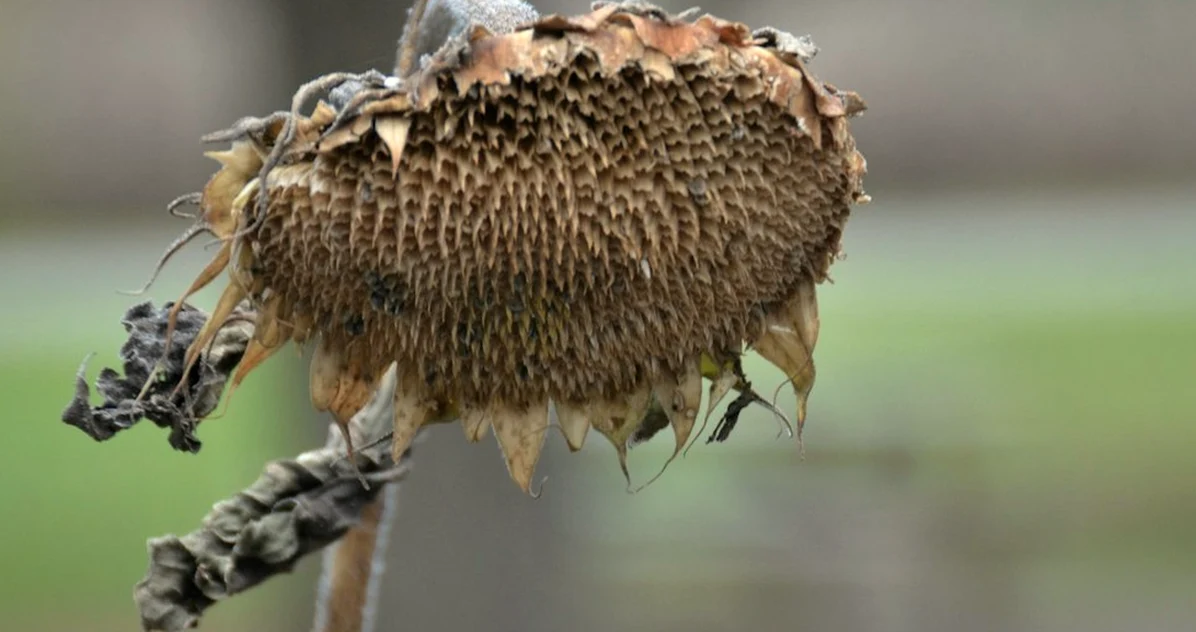
Hearts, black seeds or mixes: what pays?
Compare final prices and waste, not only cost per kilogram.
| Food | Typical England cost | Waste | Best feeder | Likely visitors |
|---|---|---|---|---|
| Sunflower hearts | £2.00–£3.50/kg | Very low husk waste | Wide-port tube or tray | Finches, tits, robins |
| Black sunflower seeds | Often lower per kg | High husk litter | Tube feeder | Finches, tits, sparrows |
| No-grow seed mix | Varies by ingredients | Check for rejected fillers | Tray or tube | Mixed garden species |
Bulk bags save only with dry, sealed, rodent-proof storage.
Mixes without cheap fillers
Choose mixes by ingredients, avoiding fillers birds leave behind.
To compare bag sizes properly, calculate the delivered price per kilogram rather than relying on the headline price: divide the item price plus delivery by the bag weight. Then consider how quickly the garden uses the food. A 2 kg bag may cost more per kg but is often the better value for an occasional feeder because it is likely to stay fresh. A 25 kg or 50 kg sack becomes economical only when birds consistently finish the supply before quality declines, and when the purchase can be split into airtight containers.
Also allow for waste: a cheaper seed with rejected fillers or husk litter can cost more per portion actually eaten.
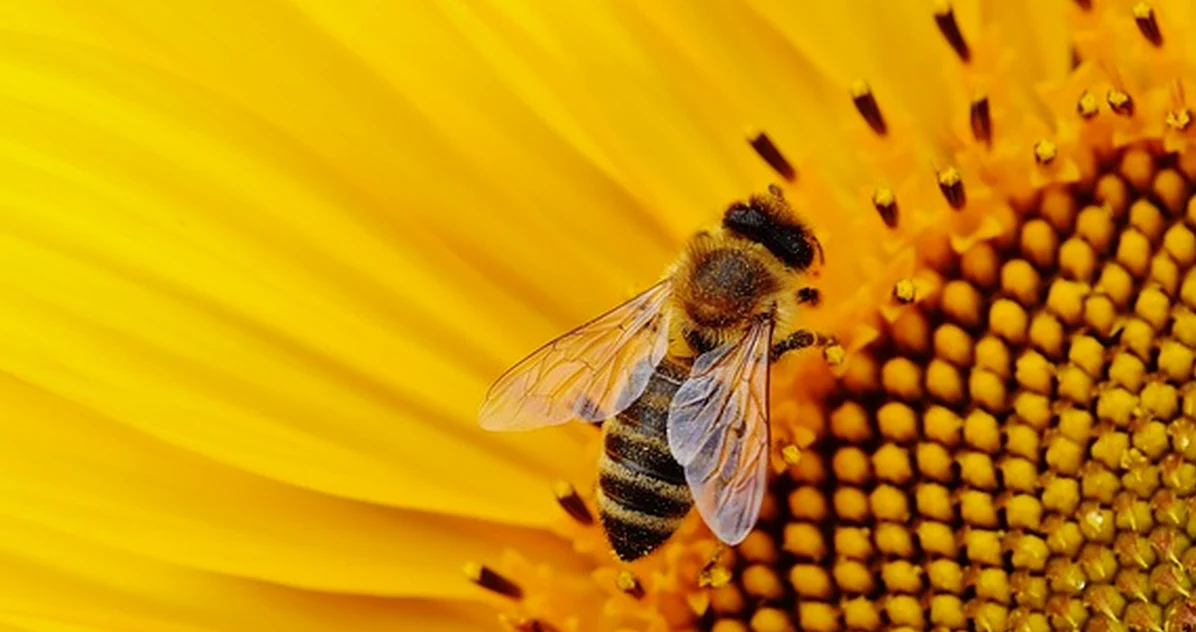
Feed portions for wet English weather
In rain, offer only a one-day portion and inspect feeder ports daily.
Start with a part-filled feeder
Begin one-third full and adjust after several dry, busy days.
Use trays for low-feeding birds
Use protected trays for ground-feeding birds and remove leftovers.
A sealed tub and a wide-port feeder help sunflower hearts stay loose, dry and available to small birds. They also make it easier to serve modest portions during wet spells.
- Wide ports reduce the chance of soft hearts bridging inside the feeder.
- Smaller fills prevent a full tube sitting through several rainy days.
- Airtight storage helps protect bulk seed from damp and rodent damage.
Keep hearts dry, clean and varied
Dry storage, clean feeders and varied food reduce avoidable risks.
Wash feeders before topping up
Empty old food, wash weekly, rinse and dry before refilling.
Hearts are not a full diet
Hearts provide energy but should not be every bird’s only food.
Check stored food and feeders every day during wet weather feeding. Sunflower hearts should smell fresh and nutty, not musty or sour; discard any clumped, discoloured or visibly mouldy bird food rather than drying it out and serving it again. Damp bird feeders need emptying before fresh food is added, especially around the lowest ports where moisture collects. For effective bird feeder cleaning, empty loose debris, wash the feeder with hot water and a bird-safe cleaning product, rinse thoroughly and allow it to dry completely before refilling.
Keep unopened and opened bags in cool, dry, rodent-proof storage, raised off a cold or damp floor.
Your questions answered
These answers cover the common buying and feeding decisions for English gardens.
Do garden birds like sunflower hearts?
Many garden birds like sunflower hearts, especially finches, tits and sparrows. Robins, dunnocks and blackbirds may take them too, but often from a tray rather than a hanging feeder.
Will robins eat sunflower hearts?
Robins often eat sunflower hearts from a sheltered tray within a few days. Mix a small amount with mealworms and remove leftovers by evening to avoid attracting rodents.
What birds do not use a seed feeder?
Dunnocks and many blackbirds may ignore hanging seed feeders. Offer food on a protected ground tray or low table, placed away from dense cat cover.
How often should I refill sunflower hearts?
Refill sunflower hearts when birds finish them within 1–3 days. In persistent rain, offer a one-day portion and inspect the feeder's lowest ports daily.
Are sunflower hearts better than black sunflower seeds?
Sunflower hearts create far less husk mess than black sunflower seeds. Black seeds can cost less per kilogram, but they leave shells below feeders and take more effort for birds to open.
Is a 25 kg bag of sunflower hearts worth it?
A 25 kg bag is worth it only if you use it within 6–12 weeks and store it dry. For quiet gardens, smaller bags reduce mould risk and keep the food fresher.
Can budgies eat sunflower hearts every day?
Budgies should not eat sunflower hearts as their daily main food because they are high in fat. Give them as a limited treat within a balanced diet advised by an avian veterinary professional.
Advertisement
The practical choice for your feeder
Choose hearts for clean, busy feeders and add small trays for robins.
- Sunflower hearts are a low-mess, high-energy choice for finches and tits.
- Serve only 1–3 days' worth, and reduce portions during wet weather.
- Use trays for robins, dunnocks and blackbirds that avoid feeder ports.
- Bulk bags save money only with dry, sealed storage and regular demand.
- Combine hearts with other suitable foods for a more varied garden bird menu.
Related sources
These articles can help you explore the topic in more depth:
- Sunflower Seeds & Hearts — gardenwildlifedirect.co.uk
- Sunflower Hearts for Birds — bargainbirdfood.co.uk
- Sunflower Hearts and Seeds for Birds — lovegardenbirds.co.uk
- Sunflower Hearts vs Sunflower Seeds for Birds — reallywildbirdfood.co.uk

Editorial Team
Our team consists of passionate British birdwatchers and garden wildlife enthusiasts. We provide honest, practical advice on feeding garden birds, choosing the right feeders, and making your outdoor space a haven for UK wildlife — guided by RSPB best practice and real garden experience.
The information on this website is provided for general guidance only. Always follow RSPB and BTO best practice when feeding garden birds. Product recommendations may include affiliate links — see our disclosure policy for details.